


Ghirardello da Firenze
Released Album
Vocal
-
 February 23, 2024
 -
 June 16, 2022
 -
 April 10, 2012
 -
 June 9, 2009
 -
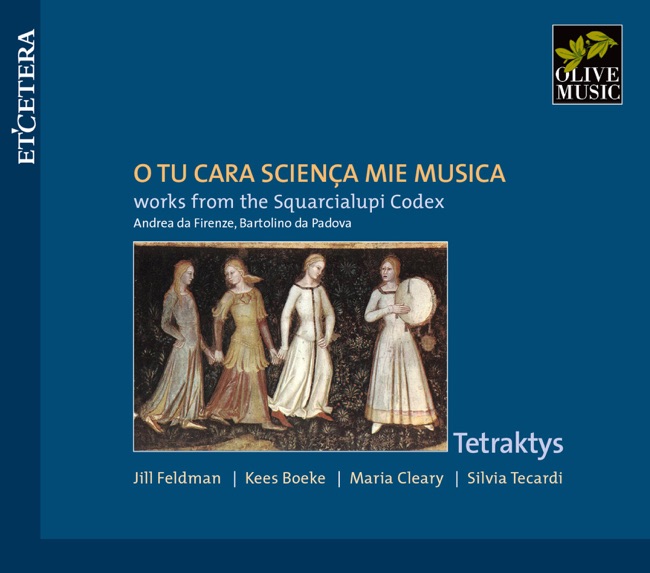 July 25, 2006
Miscellaneous
-
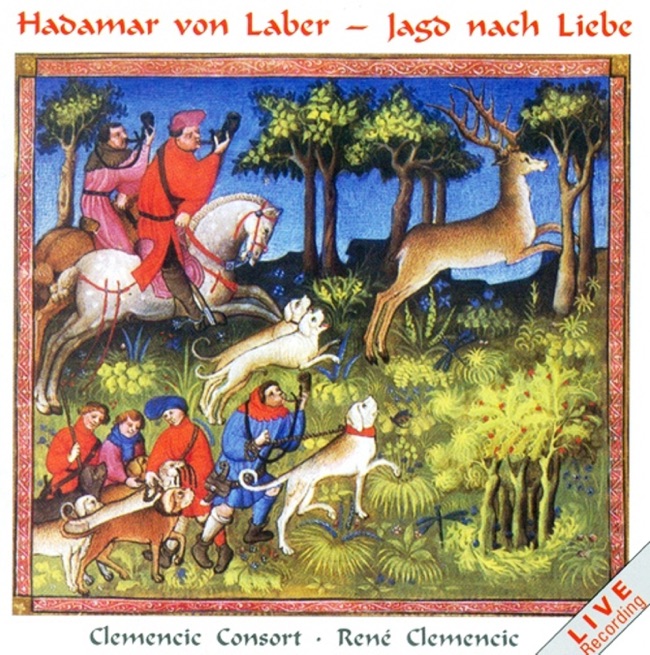 August 2, 2005
 -
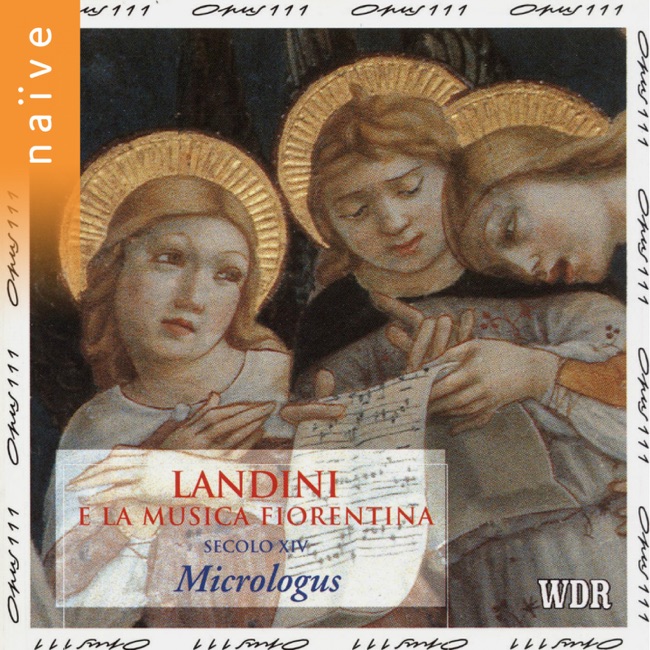 December 1, 1994
 -
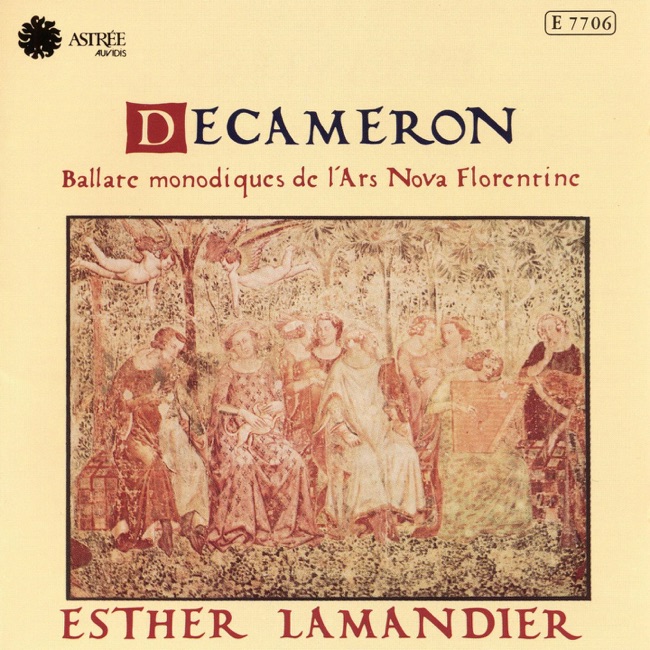 January 1, 1985
Choral
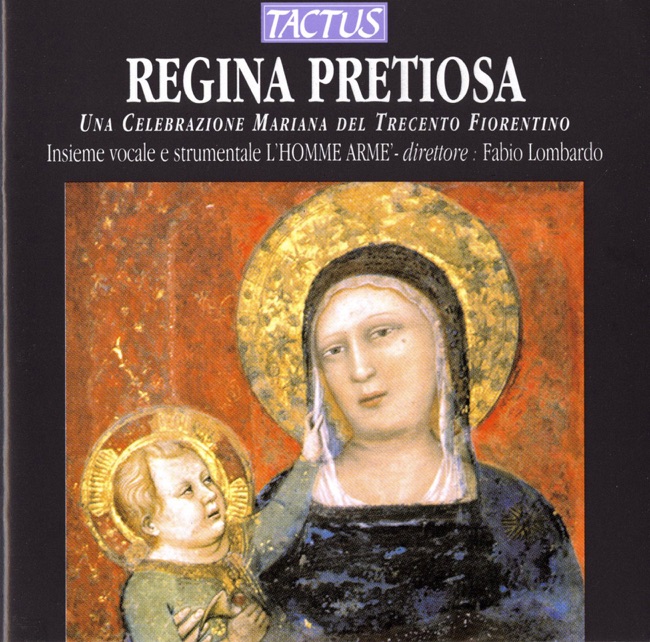
Artist Info
Role:ComposerCountry: ItalyBirth:ca. 1320Death:ca. 1362 in Florence, ItalyPeriod:MedievalGenre:ChoralGhirardello da Firenze was a prominent composer of the 14th century, known for his contributions to the development of Italian secular music. Born in Florence, Italy, in the early 1300s, Ghirardello was raised in a family of musicians and likely received his early musical training from his father or other family members. As a young man, Ghirardello began to establish himself as a composer and performer, working in various musical genres and styles. He was particularly skilled in the composition of madrigals, a type of secular vocal music that was popular in Italy during the 14th century. Ghirardello's madrigals were known for their intricate harmonies and expressive melodies, and they often featured themes of love, nature, and the joys and sorrows of everyday life. In addition to his work as a composer, Ghirardello was also an accomplished performer, playing a variety of instruments including the lute, the viol, and the harp. He was known for his virtuosic playing and his ability to improvise and embellish musical passages on the spot. Throughout his career, Ghirardello composed a wide range of music, including sacred and secular vocal works, instrumental pieces, and dance music. His most famous works include the madrigals "Amor mi fa cantar," "Oimè, se tanto amate," and "Non al suo amante," as well as the instrumental pieces "La Rotta" and "Saltarello." Ghirardello's music was highly influential in the development of Italian secular music, and his innovative use of harmony and melody helped to pave the way for the emergence of the Renaissance style in the 15th century. His works were widely performed and admired during his lifetime, and they continue to be studied and performed by musicians and scholars today. Despite his success as a composer and performer, little is known about Ghirardello's personal life. He likely lived and worked in Florence for much of his career, and he may have traveled to other parts of Italy and Europe to perform and share his music. He died in the mid-14th century, leaving behind a legacy of beautiful and innovative music that continues to inspire and delight audiences around the world.More....
Recent Artist Music
5
5:20
8
3:5
10
4:20
12
6:12
Copyright Ⓒ 2013 Davinci Finger. All rights reseved
Service Terms & Policy