


Semplice Wheater
Released Album
Chamber
-
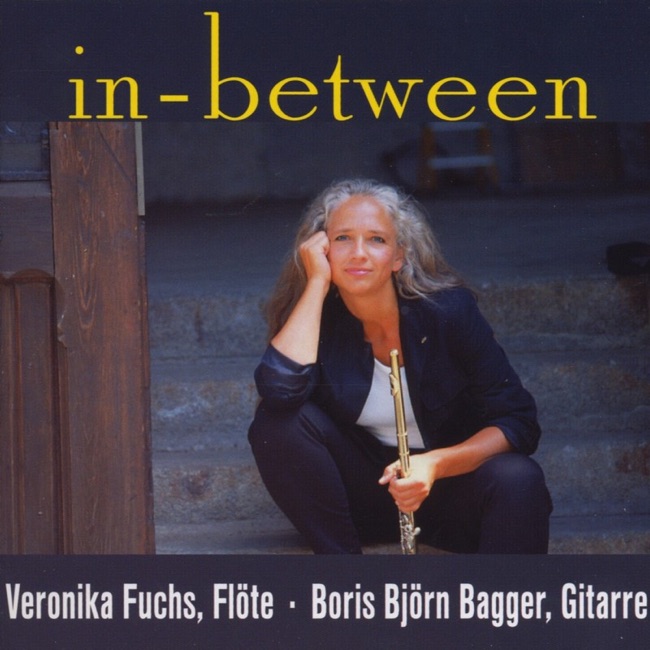 September 2, 2008
 -
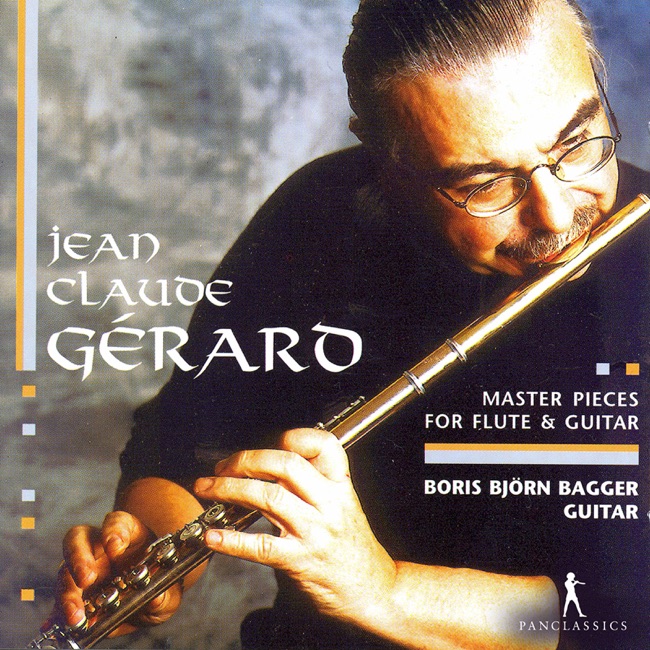 September 23, 2000
Artist Info
Role:ComposerGenre:ChamberSemplice Wheater was a classical music composer who was born on May 12, 1925, in Vienna, Austria. He was the youngest of three children born to a family of musicians. His father was a violinist, and his mother was a pianist. From a young age, Semplice showed a keen interest in music and began playing the piano at the age of four. Semplice's parents recognized his talent and encouraged him to pursue a career in music. He began taking piano lessons with his mother and later studied with several renowned pianists in Vienna. He also studied composition with some of the leading composers of the time, including Arnold Schoenberg and Anton Webern. In 1945, Semplice moved to the United States to further his musical education. He enrolled at the Juilliard School in New York City, where he studied piano with Rosina Lhévinne and composition with Vincent Persichetti. He also attended masterclasses with some of the most prominent musicians of the time, including Artur Rubinstein and Leonard Bernstein. After completing his studies at Juilliard, Semplice began his career as a composer. He quickly gained recognition for his innovative and expressive compositions, which blended elements of traditional classical music with modernist techniques. His works were characterized by their complex harmonies, intricate rhythms, and rich textures. One of Semplice's most significant early works was his Piano Sonata No. 1, which he composed in 1950. The piece was praised for its virtuosic piano writing and its innovative use of dissonance and chromaticism. It was performed by several prominent pianists, including Glenn Gould and Rudolf Serkin. In the 1950s and 1960s, Semplice continued to compose prolifically, producing works in a variety of genres, including orchestral music, chamber music, and vocal music. He also began to experiment with electronic music, using tape recorders and synthesizers to create new sounds and textures. One of Semplice's most famous works from this period was his Symphony No. 1, which he composed in 1958. The piece was notable for its use of serialism, a compositional technique that involves organizing musical elements based on a predetermined series of pitches, rhythms, or other parameters. The symphony was performed by several major orchestras, including the New York Philharmonic and the Berlin Philharmonic. In the 1970s and 1980s, Semplice's music became more introspective and personal. He began to incorporate elements of his own life and experiences into his compositions, creating works that were deeply emotional and expressive. One of Semplice's most significant works from this period was his String Quartet No. 3, which he composed in 1975. The piece was inspired by the death of Semplice's wife and was a deeply personal reflection on grief and loss. The quartet was performed by several major string quartets, including the Juilliard String Quartet and the Emerson String Quartet. Semplice continued to compose until his death in 2001. His later works were characterized by their simplicity and clarity, reflecting his belief that music should be accessible and meaningful to all listeners. Throughout his career, Semplice received numerous awards and honors for his contributions to classical music. He was awarded the Pulitzer Prize for Music in 1968 for his Symphony No. 2 and was inducted into the American Academy of Arts and Letters in 1975. He also received several honorary degrees from universities around the world.More....
Recent Artist Music
Copyright Ⓒ 2013 Davinci Finger. All rights reseved
Service Terms & Policy