


Gardner Read
Released Album
Miscellaneous
Chamber
-
 October 26, 2006
 -
 June 24, 2003
 -
 March 25, 1994
Vocal

Artist Info
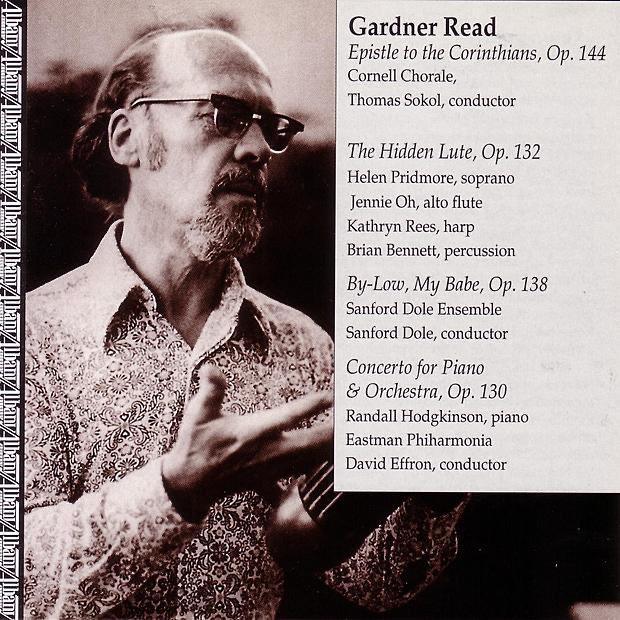
Role:ComposerBirth:January 2, 1913 in Evanston, ILDeath:November 10, 2005 in Manchester-by-the-Sea, MAPeriod:ModernGenre:ChamberKeyboardVocalGardner Read was an American composer, musicologist, and educator who made significant contributions to the field of classical music. Born on January 2, 1913, in Evanston, Illinois, Read grew up in a musical family. His father was a music teacher, and his mother was a pianist. Read began playing the piano at a young age and showed an early interest in composition. Read attended Harvard University, where he studied composition with Walter Piston and musicology with Archibald T. Davison. He graduated with a Bachelor of Arts degree in 1935 and went on to earn a Master of Arts degree in 1936. During his time at Harvard, Read also studied with the renowned composer and conductor Serge Koussevitzky. After completing his studies, Read worked as a music critic for the Boston Evening Transcript and taught at Harvard and Boston University. In 1940, he joined the faculty of the University of California, Berkeley, where he remained for the rest of his career. He served as the chair of the music department from 1952 to 1955 and again from 1960 to 1963. Read's compositions are characterized by their complexity and intellectual rigor. He was influenced by the music of Arnold Schoenberg and the Second Viennese School, as well as by the neoclassical style of Igor Stravinsky. His works often feature intricate counterpoint and unconventional harmonies. One of Read's most famous works is his Symphony No. 3, which was premiered by the Boston Symphony Orchestra in 1949. The symphony is notable for its use of twelve-tone technique, a compositional method pioneered by Schoenberg. The work is divided into three movements, each of which explores different aspects of the twelve-tone system. Another significant work by Read is his Concerto for Piano and Orchestra, which was premiered by the San Francisco Symphony in 1953. The concerto is characterized by its virtuosic piano writing and its use of complex rhythms and harmonies. The work was well-received by critics and helped to establish Read as one of the leading American composers of his time. In addition to his compositions, Read was also a respected musicologist and wrote extensively on the history and theory of music. His books include Music Notation: A Manual of Modern Practice (1964) and Modern Rhythmic Notation (1980). He also served as the editor of the journal Perspectives of New Music from 1962 to 1971. Read received numerous awards and honors throughout his career, including a Guggenheim Fellowship in 1949 and a Fulbright Fellowship in 1955. He was elected to the American Academy of Arts and Letters in 1967 and was awarded the National Medal of Arts by President Ronald Reagan in 1987. Read continued to compose and teach until his death on November 10, 2005, at the age of 92. His legacy as a composer, musicologist, and educator continues to be felt in the world of classical music today.More....
Recent Artist Music
3
7:16
4
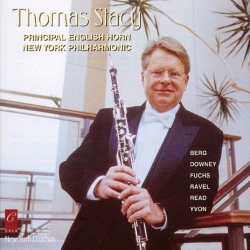
18:9
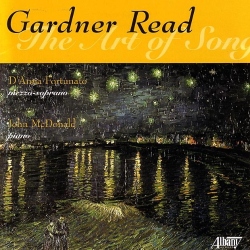
6
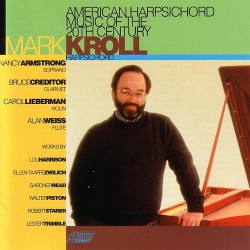
6:55
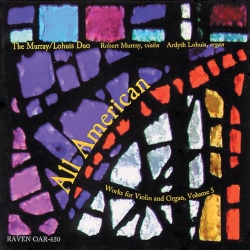
Copyright Ⓒ 2013 Davinci Finger. All rights reseved
Service Terms & Policy