


Vladimir Morkov
Released Album
Chamber
-
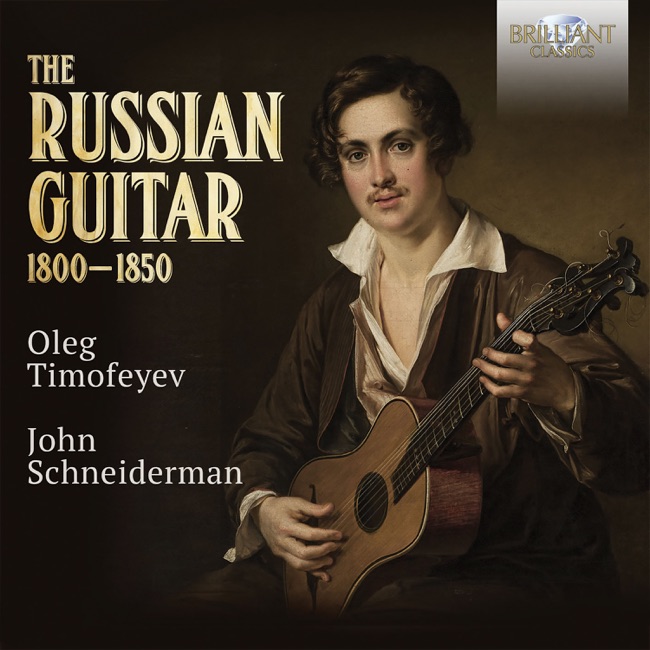 September 30, 2016
 -
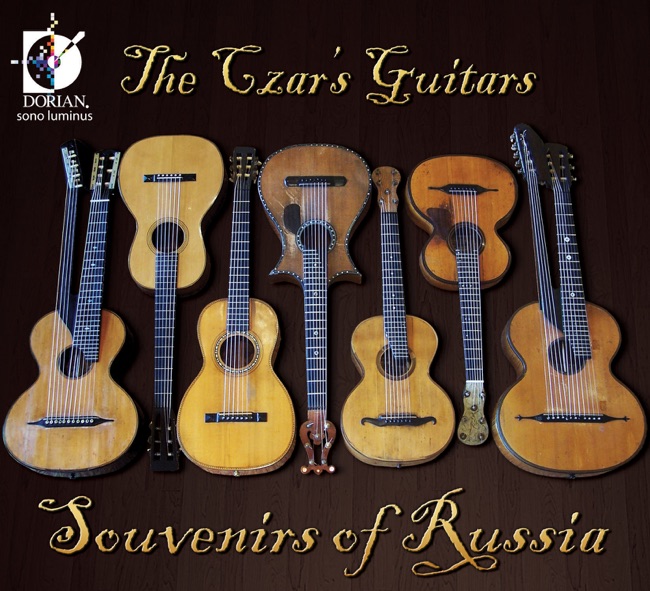 June 29, 2010
 -
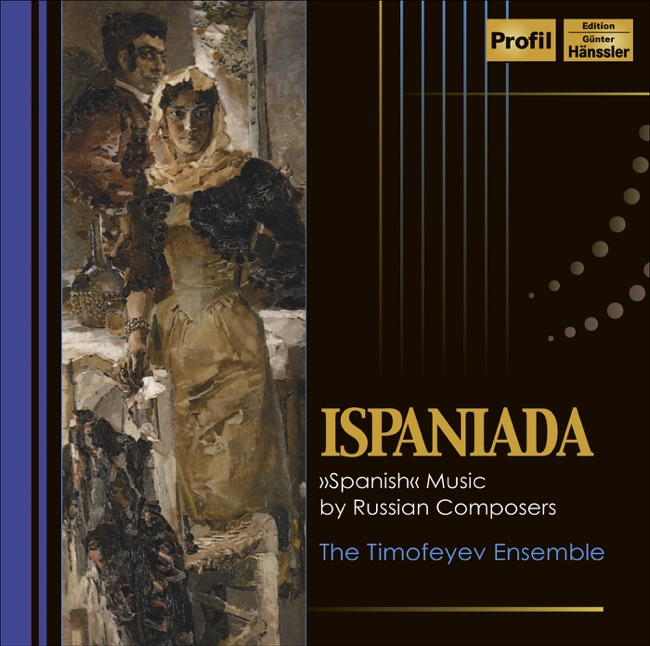 July 28, 2008
 -
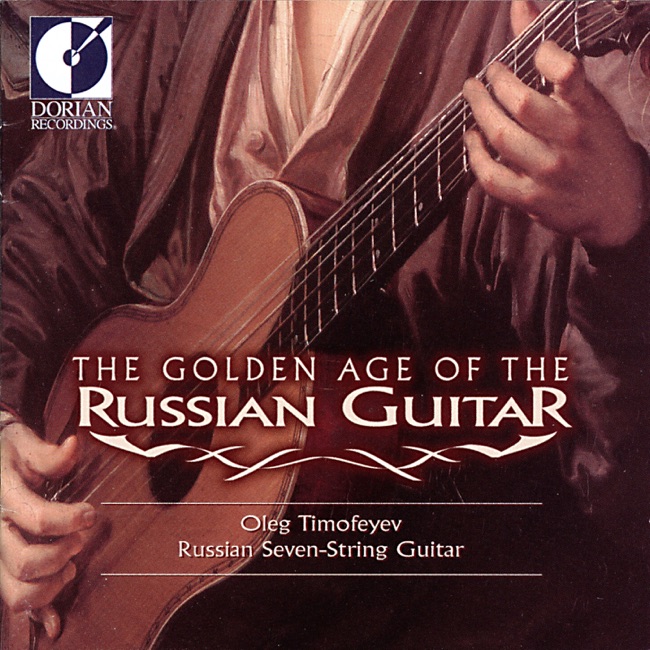 January 26, 1999
Artist Info
Role:ComposerBirth:1801Death:1864Genre:ChamberVladimir Morkov was a Russian composer who lived from 1891 to 1965. He was born in Moscow, Russia, and showed an early interest in music. His parents were both musicians, and they encouraged him to pursue his passion for music. Morkov began his formal music education at the Moscow Conservatory, where he studied composition with Nikolai Myaskovsky. He also studied piano and conducting, and he quickly became known for his talent as a composer. Morkov's early works were heavily influenced by the Russian classical tradition, and he was particularly drawn to the music of Tchaikovsky and Rachmaninoff. However, he also incorporated elements of modernism into his compositions, and he was known for his innovative use of harmony and rhythm. One of Morkov's early successes was his Symphony No. 1, which he composed in 1917. The symphony was well-received by audiences and critics alike, and it established Morkov as a rising star in the world of classical music. Over the next several years, Morkov continued to compose prolifically, producing a wide range of works in various genres. He wrote several operas, including The Snow Maiden and The Queen of Spades, as well as numerous orchestral works, chamber music pieces, and songs. One of Morkov's most famous works is his Piano Concerto No. 1, which he composed in 1926. The concerto is known for its virtuosic piano writing and its lush orchestration, and it has become a staple of the classical piano repertoire. Morkov's music was often characterized by its emotional intensity and its use of rich, colorful harmonies. He was also known for his ability to create vivid musical landscapes, using his compositions to evoke a wide range of moods and emotions. Despite his success as a composer, Morkov faced numerous challenges throughout his life. He lived through the tumultuous years of the Russian Revolution and the subsequent Soviet era, and he struggled to navigate the political and cultural landscape of his time. In the 1930s, Morkov came under increasing pressure from the Soviet government to conform to the strictures of socialist realism, a style of art that emphasized the depiction of everyday life and the glorification of the Soviet state. Morkov resisted these pressures, however, and continued to compose music that was deeply personal and expressive. Despite his resistance to the Soviet authorities, Morkov remained a respected figure in the world of classical music throughout his life. He continued to compose until his death in 1965, leaving behind a rich legacy of music that continues to be celebrated and performed today.More....
Recent Artist Music
1
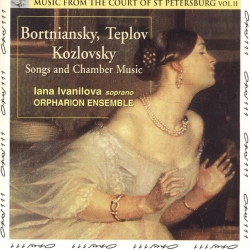
2:7
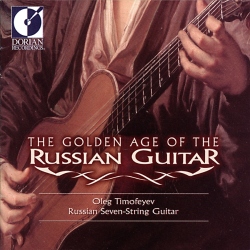

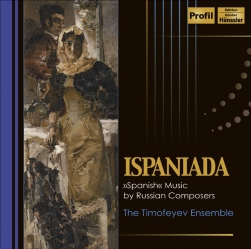
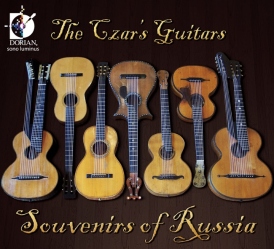
Copyright Ⓒ 2013 Davinci Finger. All rights reseved
Service Terms & Policy