


Johann G. W. Palschau
Released Album
Concerto
Artist Info
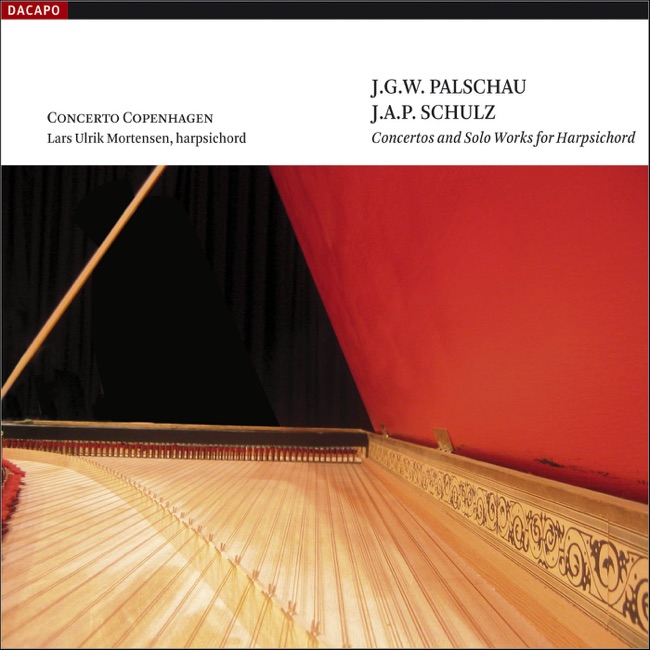
Role:ComposerCountry: RussiaBirth:December 21, 1741 in DenmarkDeath:July 5, 1815 in St. Petersburg, RussiaPeriod:ClassicalGenre:VocalJohann G. W. Palschau was a German composer and music educator who lived from 1771 to 1811. He was born in the town of Königsberg, which is now part of Russia, and showed an early aptitude for music. His father was a musician and taught him to play the violin and keyboard. Palschau also received formal training in music theory and composition. Palschau began his career as a music teacher, working in various schools and private homes. He was known for his innovative teaching methods, which emphasized the importance of ear training and improvisation. He believed that music should be accessible to everyone, regardless of their social status or musical background. In addition to his teaching work, Palschau was also a prolific composer. He wrote music in a variety of genres, including symphonies, chamber music, and vocal works. His music was influenced by the classical style of Mozart and Haydn, but also showed elements of the emerging Romantic style. One of Palschau's most famous works is his Symphony No. 1 in C major. This piece is notable for its use of a solo violin in the second movement, which was a departure from the traditional symphonic form of the time. The symphony also features a lively finale that showcases Palschau's skill as a composer of dance music. Another highlight of Palschau's career was his work as a music editor and publisher. He was responsible for editing and publishing several collections of music, including the popular "Musikalische Haus- und Lebensfreunde" (Musical Friends of Home and Life). This collection included arrangements of popular songs and dances, as well as original compositions by Palschau and other composers. Despite his success as a composer and educator, Palschau's life was cut short by illness. He died in 1811 at the age of 40, leaving behind a legacy of innovative music and teaching methods. His influence can still be felt in the music education world today, where his emphasis on ear training and improvisation continues to be valued.More....
Recent Artist Music
Copyright Ⓒ 2013 Davinci Finger. All rights reseved
Service Terms & Policy