


Hans Erich Apostel
Released Album
Chamber
-
 March 4, 2013
 -
 October 1, 2007
 -
 February 12, 2007
 -
 July 31, 2001
 -
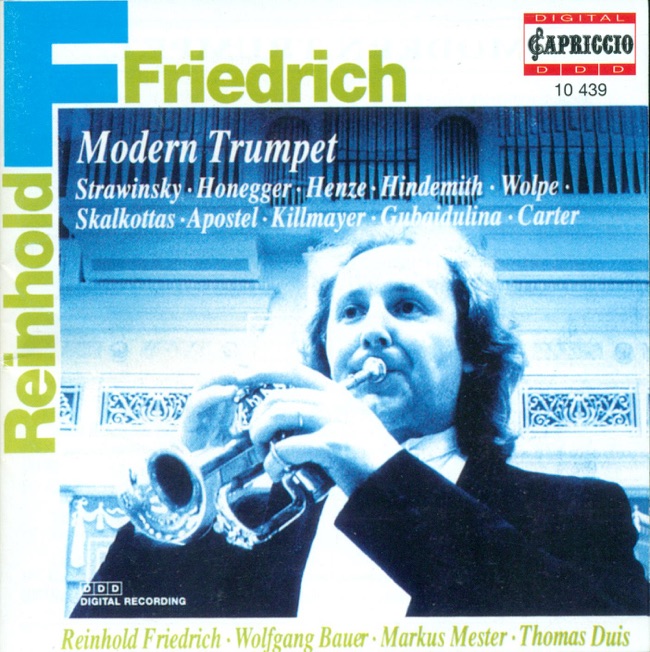 April 16, 1995
Keyboard
-
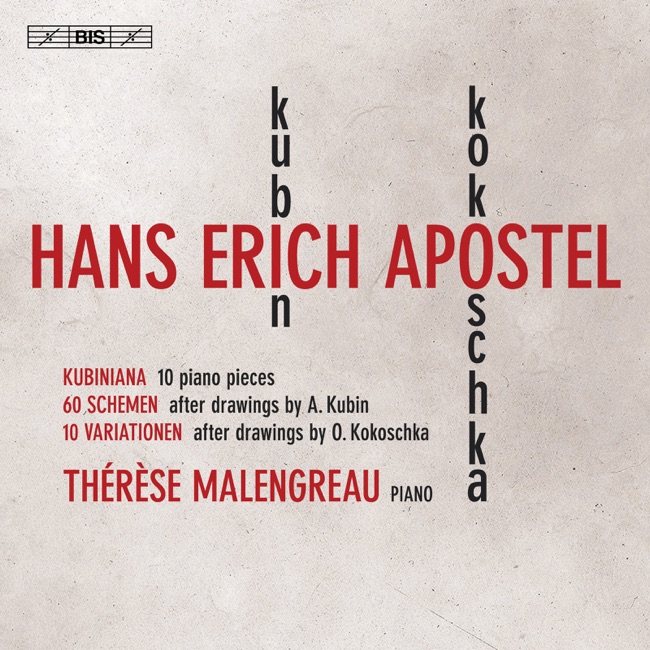 January 4, 2019
 -
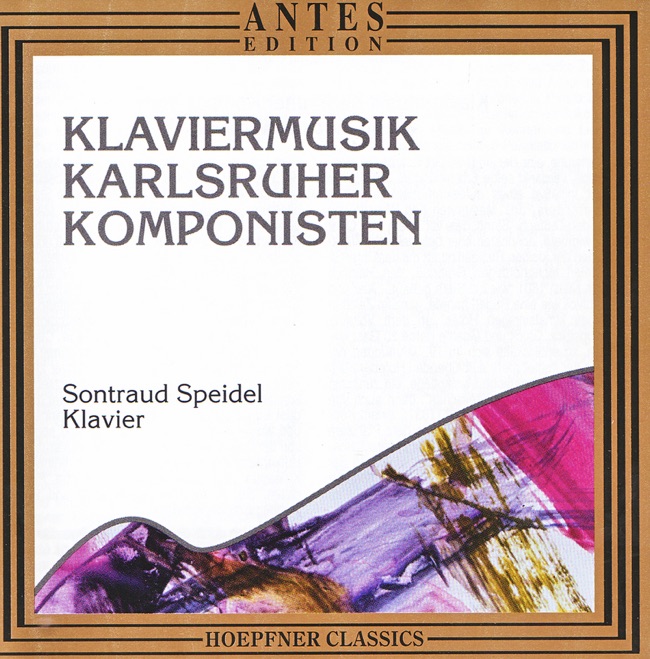 April 6, 2012
 -
 October 26, 2010
Artist Info
Role:ComposerCountry: AustriaBirth:January 22, 1901 in Karlsruhe, Baden-Württemberg, GermanyDeath:November 30, 1972 in Vienna, AustriaPeriod:ModernGenre:KeyboardVocalHans Erich Apostel was a prominent Austrian composer of the 20th century, known for his contributions to the development of the Second Viennese School. Born on May 16, 1901, in Karlsruhe, Germany, Apostel grew up in a family of musicians. His father was a conductor and his mother was a pianist, which exposed him to music from an early age. Apostel began his musical education at the Karlsruhe Conservatory, where he studied piano, composition, and conducting. He later continued his studies at the Hochschule für Musik in Berlin, where he studied with Arnold Schoenberg, one of the most influential composers of the 20th century. Schoenberg's teachings had a profound impact on Apostel's musical style, and he became one of his most devoted students. In 1925, Apostel moved to Vienna, where he became a member of the Society for Private Musical Performances, an organization founded by Schoenberg to promote contemporary music. Apostel's compositions were frequently performed at the society's concerts, and he became known for his innovative use of atonality and serialism. One of Apostel's most significant works is his String Quartet No. 2, which he composed in 1927. The piece is notable for its use of a twelve-tone row, a technique pioneered by Schoenberg that involves using all twelve notes of the chromatic scale in a specific order. The quartet was well-received by critics and helped establish Apostel as a leading figure in the Second Viennese School. Throughout the 1930s, Apostel continued to compose music that pushed the boundaries of traditional tonality. He also became involved in teaching, and in 1936 he was appointed a professor of composition at the Vienna Music Academy. However, his career was interrupted by the outbreak of World War II, and he was drafted into the German army in 1940. During the war, Apostel was stationed in France, where he continued to compose music in secret. He also became involved in the French Resistance, using his position in the army to smuggle messages and supplies to the resistance fighters. In 1944, he was captured by the Gestapo and imprisoned in a concentration camp. He was eventually released in 1945, after the end of the war. After the war, Apostel returned to Vienna and resumed his career as a composer and teacher. He continued to explore new musical techniques, including the use of electronic music, and his compositions became more experimental and avant-garde. One of his most notable works from this period is his Piano Concerto, which he composed in 1951. The piece is characterized by its complex rhythms and dissonant harmonies, and it remains one of his most challenging works. In addition to his work as a composer, Apostel was also a respected musicologist and wrote extensively on the music of the Second Viennese School. He was particularly interested in the music of Anton Webern, another prominent member of the school, and wrote several books and articles on his work. Apostel continued to compose music until his death in 1972. His later works were more introspective and reflective, and he often incorporated elements of traditional tonality into his compositions. One of his final works, the String Quartet No. 5, is a haunting and melancholy piece that reflects on the passing of time and the transience of life. Today, Apostel is remembered as one of the most important composers of the Second Viennese School.More....
Recent Artist Music

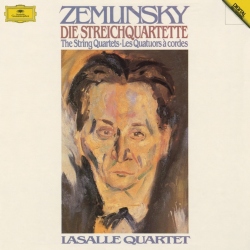
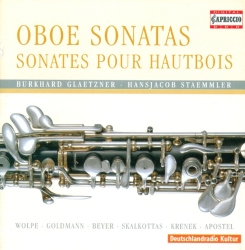
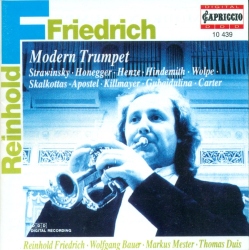
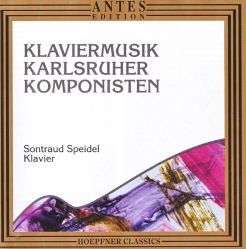

Copyright Ⓒ 2013 Davinci Finger. All rights reseved
Service Terms & Policy