


Giovanni Cavaccio
Released Album
Chamber
-
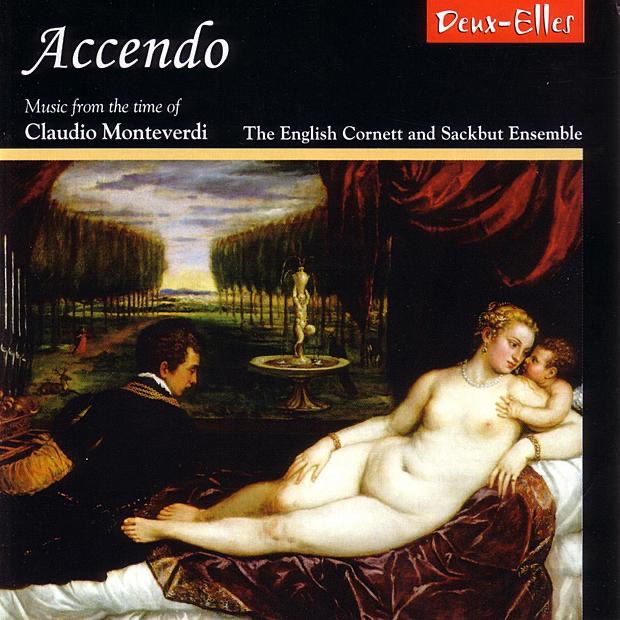 January 1, 2001
 -
 October 1, 1999
Vocal
-
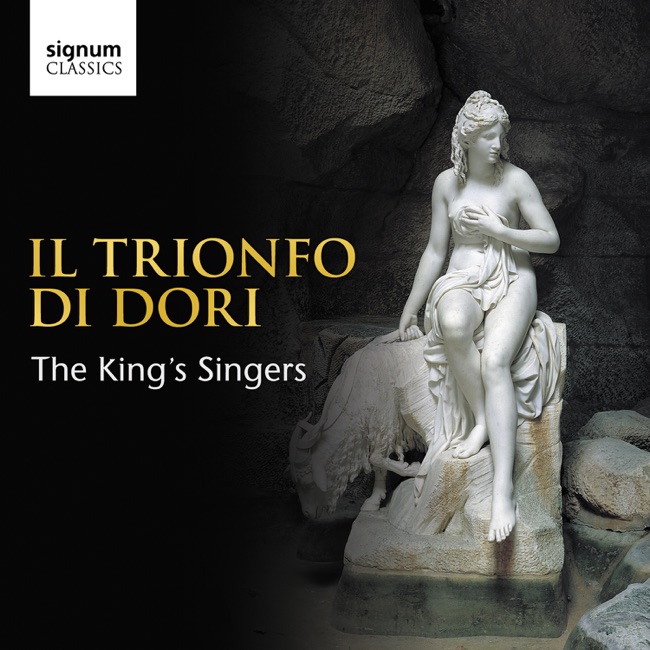 April 6, 2015
 -
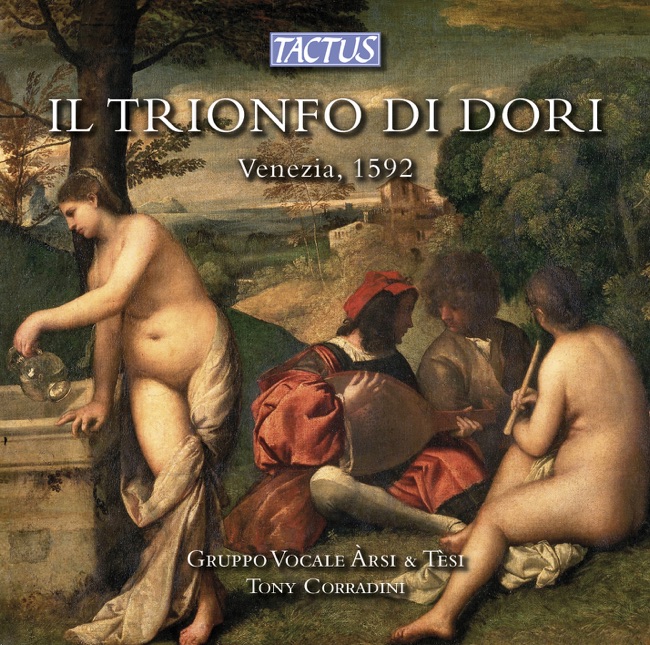 January 6, 2014
Artist Info
Role:ComposerCountry: ItalyBirth:1556Death:August 11, 1626Period:RenaissanceGenre:ChamberGiovanni Cavaccio was a prominent Italian composer of the Baroque era. He was born in Venice in 1630, and little is known about his early life and musical training. However, it is believed that he received his education in music from his father, who was a musician himself. Cavaccio's career as a composer began in the mid-1650s, when he started to publish his works. His early compositions were mainly vocal pieces, including sacred music such as motets and masses, as well as secular works such as madrigals and canzonettas. These works were well-received by the public and helped establish Cavaccio as a respected composer in Venice. In the late 1650s, Cavaccio began to focus more on instrumental music, particularly chamber music. He composed a number of sonatas for various instruments, including the violin, cello, and harpsichord. These works were notable for their virtuosic writing and intricate counterpoint, and they helped establish Cavaccio as a leading composer of instrumental music in Venice. One of Cavaccio's most famous works is his Sonata a 3 in D Major, which was published in 1660. This work is a trio sonata for two violins and basso continuo, and it is notable for its lively rhythms and intricate interplay between the two violins. The work was widely performed and admired during Cavaccio's lifetime, and it remains a popular piece in the Baroque repertoire today. In addition to his instrumental works, Cavaccio also composed a number of operas. His first opera, La Statira, was premiered in Venice in 1664. The opera was a success, and it helped establish Cavaccio as a leading composer of opera in Venice. He went on to compose several more operas over the course of his career, including La Rosinda and La Circe, both of which were well-received by audiences. Cavaccio's music was notable for its expressive melodies, intricate counterpoint, and virtuosic writing. He was particularly skilled at writing for the violin, and his works for this instrument were admired for their technical demands and expressive power. His music was also notable for its use of chromaticism and dissonance, which were unusual for the time but helped give his works a distinctive character. Despite his success as a composer, Cavaccio's life was not without its difficulties. He struggled with financial problems throughout his career, and he was forced to sell the rights to some of his works in order to make ends meet. He also suffered from health problems in his later years, and he died in Venice in 1670 at the age of 40. Despite his relatively short career, Giovanni Cavaccio left a lasting legacy in the world of Baroque music. His works for violin and chamber music are still performed and admired today, and his operas helped establish the genre in Venice during the 17th century. His music was notable for its technical demands and expressive power, and it helped pave the way for the development of Baroque music in Italy and beyond.More....
Copyright Ⓒ 2013 Davinci Finger. All rights reseved
Service Terms & Policy