


Large USSR State Radio Symphony Orchestra
Released Album
Concerto
-
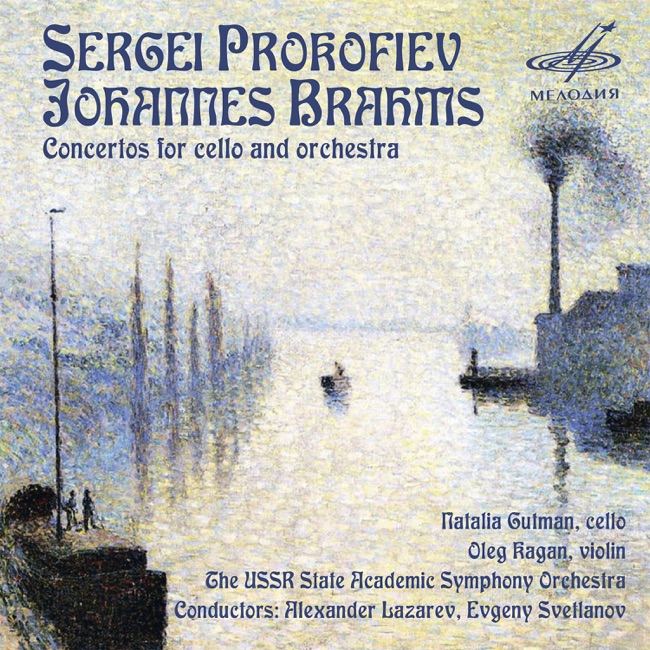 September 25, 2015
 -
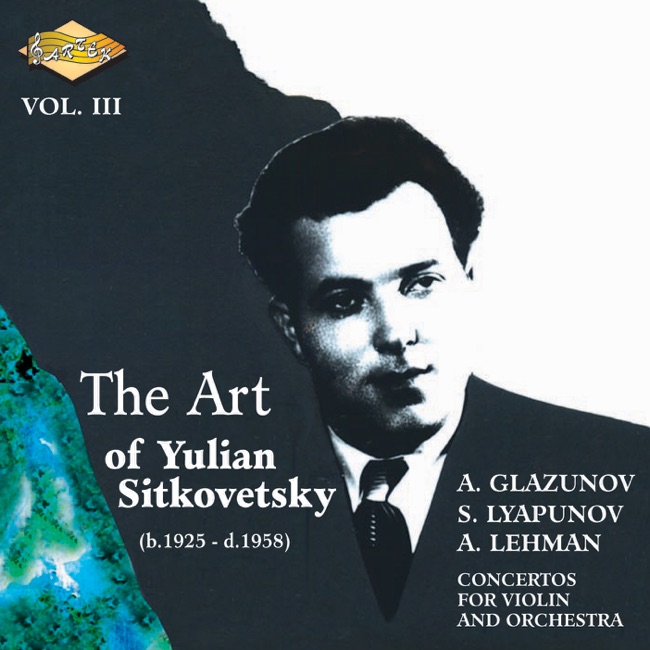 May 16, 2006
Artist Info
Role:EnsembleThe Large USSR State Radio Symphony Orchestra, also known as the USSR State Symphony Orchestra, was one of the most prominent classical music ensembles in the Soviet Union. The orchestra was founded in 1936, during the height of Stalin's regime, and quickly became a symbol of Soviet cultural excellence. The orchestra was initially formed as the All-Union Radio Symphony Orchestra, with the aim of providing high-quality music for radio broadcasts across the Soviet Union. The ensemble was made up of some of the most talented musicians in the country, many of whom had trained at the prestigious Moscow Conservatory. Under the leadership of its first conductor, Nikolai Malko, the orchestra quickly gained a reputation for its technical precision and emotional depth. Malko was a demanding conductor who pushed his musicians to their limits, but he also had a deep respect for the music he was conducting and was able to bring out the best in his players. One of the highlights of the orchestra's early years was its performance of Shostakovich's Fifth Symphony in 1937. The symphony had been commissioned by the Soviet government as a celebration of the country's triumph over fascism, but it was also a deeply personal work for Shostakovich, who had been criticized by the government for his earlier compositions. The performance by the USSR State Symphony Orchestra was a triumph, and it helped to cement the orchestra's reputation as one of the finest in the world. Over the years, the orchestra continued to attract some of the most talented musicians in the Soviet Union. Many of these musicians went on to have successful solo careers, but they remained loyal to the orchestra and continued to perform with it whenever they could. One of the most famous conductors to work with the USSR State Symphony Orchestra was Yevgeny Svetlanov. Svetlanov was appointed as the orchestra's principal conductor in 1965, and he remained in that position for over 30 years. During his tenure, he led the orchestra in some of its most memorable performances, including a series of concerts at the Royal Albert Hall in London in 1979. Svetlanov was known for his passionate interpretations of Russian music, and he was particularly admired for his performances of the works of Tchaikovsky and Rachmaninoff. He also championed the music of contemporary Soviet composers, including Alfred Schnittke and Sofia Gubaidulina. In addition to its regular concert schedule, the USSR State Symphony Orchestra also performed at a number of international festivals and competitions. One of the most prestigious of these was the Tchaikovsky Competition, which was held in Moscow every four years. The orchestra served as the official orchestra for the competition, and it played a crucial role in helping to launch the careers of many young musicians. One of the most memorable performances by the USSR State Symphony Orchestra at the Tchaikovsky Competition was in 1958, when the young pianist Van Cliburn won the gold medal. Cliburn's performance of Tchaikovsky's Piano Concerto No. 1 with the orchestra was a sensation, and it helped to launch his career as one of the most famous pianists of the 20th century. Despite its many successes, the USSR State Symphony Orchestra was not immune to the political pressures of the Soviet Union. In the 1970s and 1980s, the government began to crack down on artistic expression, and many musicians were forced to leave the country or face persecution.More....
Recent Artist Music
Copyright Ⓒ 2013 Davinci Finger. All rights reseved
Service Terms & Policy