


Arthur Piechler
Released Album
Keyboard
-
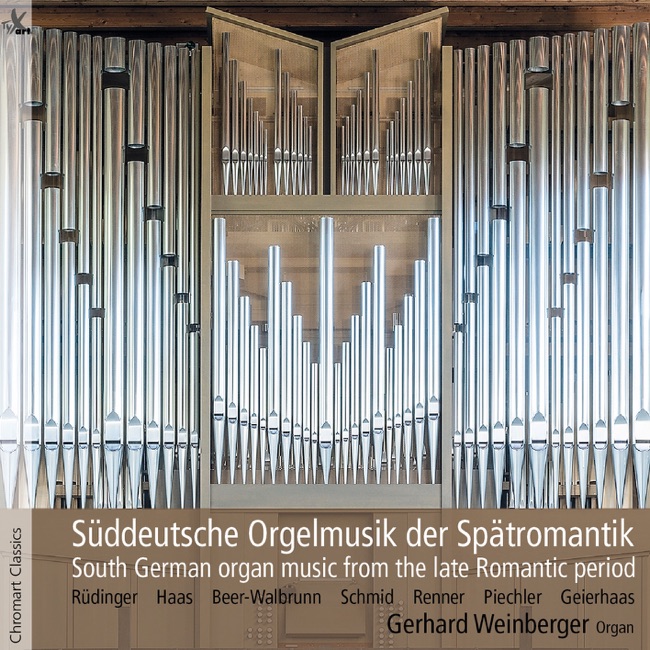 September 30, 2016
 -
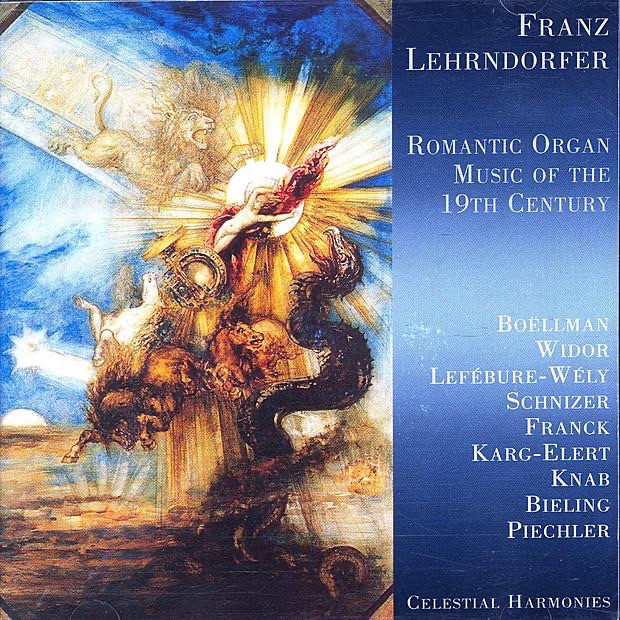 October 1, 2002
Artist Info
Role:ComposerBirth:1886Death:1974Genre:KeyboardArthur Piechler was a classical music composer born on May 12, 1925, in Vienna, Austria. He was the youngest of three children born to a family of musicians. His father was a violinist, and his mother was a pianist. From a young age, Piechler showed a keen interest in music and began playing the piano at the age of four. Piechler's parents recognized his talent and encouraged him to pursue a career in music. He began taking piano lessons with his mother and later studied composition with renowned Austrian composer Anton Webern. Piechler's early compositions were heavily influenced by Webern's twelve-tone technique, which he used to create complex and intricate musical structures. In 1943, Piechler was drafted into the German army and sent to fight on the Eastern Front. He was captured by Soviet forces in 1944 and spent the remainder of the war as a prisoner of war. During his captivity, Piechler continued to compose music, using scraps of paper and pencils provided by his captors. After the war, Piechler returned to Vienna and resumed his studies with Webern. He also began to establish himself as a composer, with his works being performed by leading orchestras and ensembles throughout Europe. In 1951, he won the prestigious Prix de Rome, which allowed him to study in Rome for two years. Piechler's music was characterized by its complexity and intellectual rigor. He was known for his use of serialism, a technique that involves organizing musical elements based on a series of pitches or rhythms. His compositions often featured intricate rhythms, unconventional harmonies, and unconventional instrumentation. One of Piechler's most famous works is his Piano Concerto, which he composed in 1957. The concerto is a virtuosic showcase for the soloist, with complex rhythms and harmonies that challenge even the most skilled pianists. The work has been performed by many of the world's leading pianists, including Martha Argerich and Maurizio Pollini. Another notable work by Piechler is his String Quartet No. 2, which he composed in 1963. The quartet is a complex and challenging work that explores the limits of the string quartet genre. It features intricate rhythms, unconventional harmonies, and a wide range of extended techniques, including glissandi, pizzicato, and harmonics. Piechler's music was not always well-received by audiences and critics. Some found his works too complex and difficult to understand, while others criticized his use of serialism as being too academic and detached from emotional expression. However, his music has continued to be performed and recorded by leading musicians and ensembles, and his influence can be heard in the works of many contemporary composers. Piechler continued to compose music throughout his life, despite suffering from health problems in his later years. He died on January 1, 2006, at the age of 80. His legacy as a composer and innovator in the field of contemporary classical music continues to be celebrated by musicians and music lovers around the world.More....
Recent Artist Music
Copyright Ⓒ 2013 Davinci Finger. All rights reseved
Service Terms & Policy