


Karel van Steenhoven
Released Album
Concerto
-
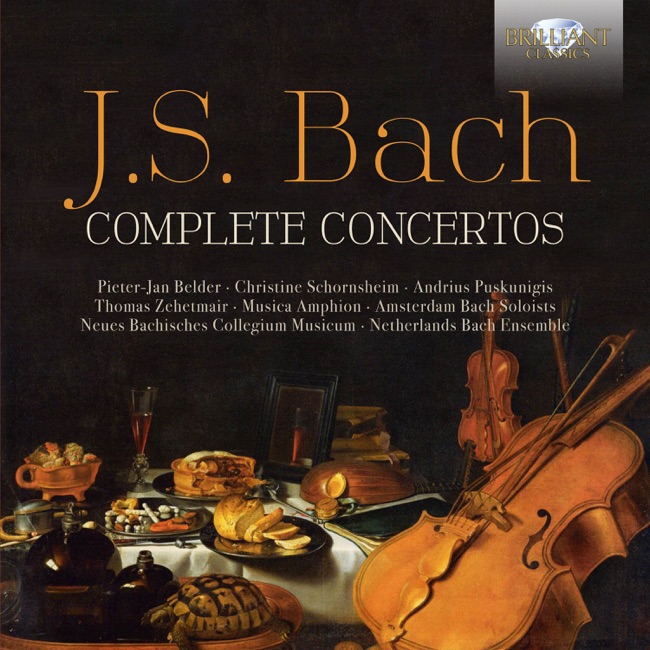 June 24, 2016
Choral
-
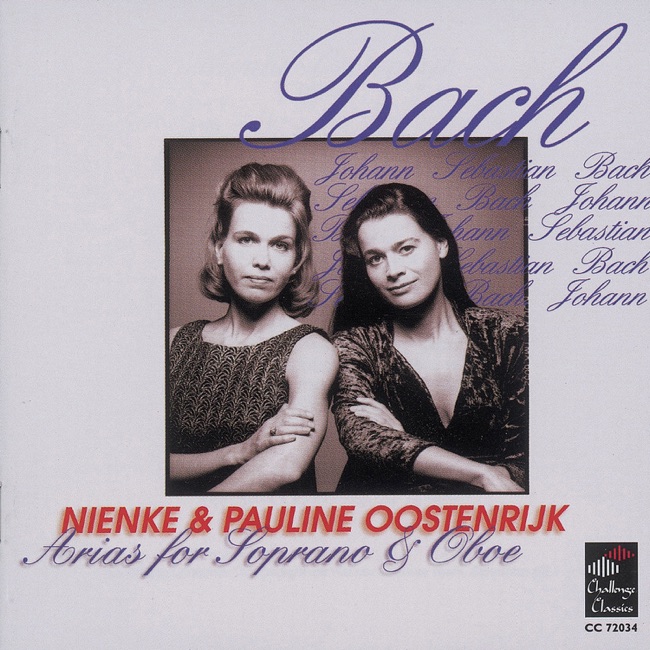 September 2, 2002
Chamber
-
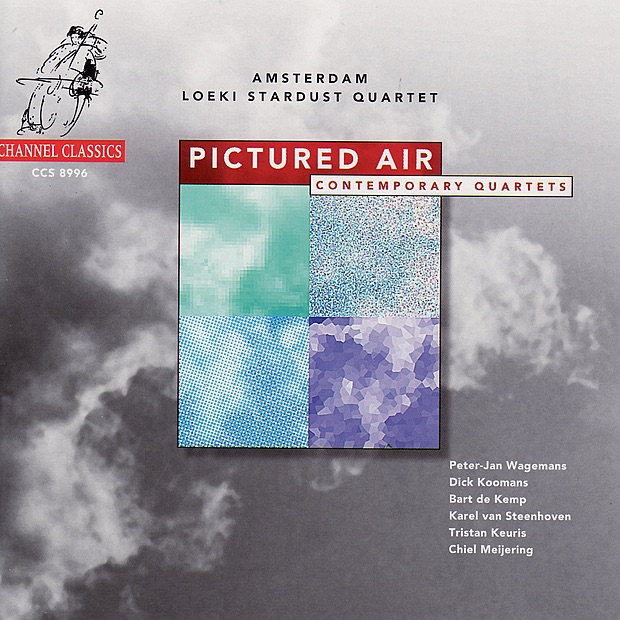 July 1, 1997
Artist Info
Role:ComposerPeriod:BaroqueContemporaryGenre:ChamberChoralKarel van Steenhoven was a Dutch classical music composer who lived from 1879 to 1940. He was born in the city of Utrecht, in the Netherlands, and grew up in a family of musicians. His father was a violinist and his mother was a pianist, and they both encouraged Karel to pursue a career in music from a young age. Karel began his musical education at the Utrecht Conservatory, where he studied composition, piano, and violin. He showed great talent as a composer from an early age, and his teachers recognized his potential. He was particularly interested in the works of the great German composers of the time, such as Beethoven, Brahms, and Wagner, and he was heavily influenced by their music. After completing his studies at the Utrecht Conservatory, Karel moved to Berlin to continue his education. He studied with some of the most renowned composers of the time, including Max Bruch and Richard Strauss. He also attended concerts and operas regularly, and was exposed to a wide range of musical styles and traditions. Karel's early works were heavily influenced by the German Romantic tradition, and he wrote many pieces for piano, violin, and chamber ensembles. His music was characterized by its rich harmonies, lyrical melodies, and emotional intensity. He was particularly interested in exploring the expressive possibilities of the piano, and many of his early works were written for this instrument. In 1905, Karel returned to the Netherlands and settled in Amsterdam. He quickly established himself as one of the leading composers of his generation, and his works were performed regularly by some of the most prestigious orchestras and ensembles in the country. He also became a respected teacher, and many of his students went on to become successful composers in their own right. Karel's most famous works include his Symphony No. 1, which was premiered in 1910, and his Piano Concerto, which was first performed in 1915. Both of these works are characterized by their grandeur, emotional intensity, and technical virtuosity. They are also notable for their use of traditional forms and structures, which Karel adapted and expanded to suit his own musical vision. In addition to his orchestral works, Karel also wrote many pieces for chamber ensembles, including string quartets, piano trios, and sonatas for various instruments. These works are characterized by their intimacy, delicacy, and subtle emotional nuances. They showcase Karel's mastery of counterpoint, harmony, and form, and demonstrate his ability to create complex and sophisticated musical structures. Karel's music was highly regarded by his contemporaries, and he was widely recognized as one of the leading composers of his generation. He was awarded numerous prizes and honors throughout his career, including the prestigious Order of the Netherlands Lion in 1930. He was also a respected music critic, and wrote extensively on the works of other composers, as well as on musical theory and aesthetics. Despite his success and acclaim, Karel remained a humble and dedicated musician throughout his life. He continued to compose and teach until his death in 1940, and his legacy lives on through his music and the many students he inspired and mentored. Today, he is remembered as one of the greatest Dutch composers of the 20th century, and his works continue to be performed and admired by musicians and audiences around the world.More....
Recent Artist Music
2
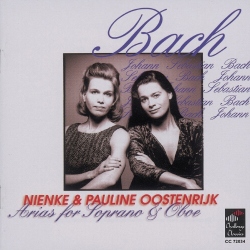
Cantata no. 127, "Lord Jesus Christ, true man and God", BWV 127
Die Seele ruht in Jesu Händen
6:13


Copyright Ⓒ 2013 Davinci Finger. All rights reseved
Service Terms & Policy