


Theo Smit Sibinga
Released Album
Chamber
-
 May 13, 2016
 -
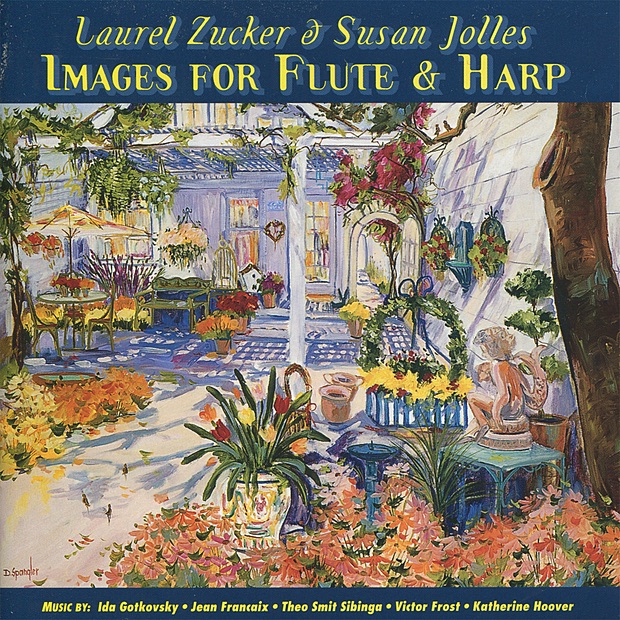 April 6, 2004
Artist Info
Role:ComposerBirth:1899Theo Smit Sibinga was a Dutch composer and pianist who was born on December 22, 1916, in Groningen, Netherlands. He was the son of a music teacher and grew up in a musical family. His father taught him piano, and he began composing at a young age. Smit Sibinga studied at the Royal Conservatory in The Hague, where he was a student of composer and conductor Willem Pijper. Smit Sibinga's early works were influenced by the neoclassical style of Pijper, but he later developed his own unique style. He was known for his use of polytonality and his incorporation of folk music into his compositions. His music was often characterized by its rhythmic complexity and its use of unconventional time signatures. Smit Sibinga's career as a composer began to take off in the 1940s. In 1942, he won the Prix de Rome, a prestigious award for young composers. This allowed him to study in Italy for several years, where he was exposed to the works of Italian composers such as Luigi Dallapiccola and Bruno Maderna. After returning to the Netherlands, Smit Sibinga continued to compose and perform. He was a prolific composer, with a catalog that includes works for solo piano, chamber ensembles, orchestra, and choir. Some of his most notable works include his Piano Concerto No. 1, which was premiered in 1952, and his Symphony No. 2, which was premiered in 1960. Smit Sibinga was also a respected pianist and often performed his own works. He was known for his virtuosic playing and his ability to bring out the complex rhythms and harmonies in his compositions. He was also a dedicated teacher and taught at the Royal Conservatory in The Hague for many years. In addition to his work as a composer and pianist, Smit Sibinga was also a conductor. He founded the Groningen Chamber Orchestra in 1955 and served as its conductor for many years. He also conducted other orchestras throughout the Netherlands and was known for his interpretations of contemporary music. Smit Sibinga's music was well-received during his lifetime, and he received many awards and honors for his work. In 1976, he was awarded the Order of the Netherlands Lion, one of the highest honors in the Netherlands. He continued to compose and perform until his death on December 29, 1999, in Groningen. Today, Smit Sibinga is remembered as one of the most important Dutch composers of the 20th century. His music is still performed and recorded, and his influence can be heard in the works of many contemporary composers. His dedication to exploring new musical ideas and his commitment to teaching and performing have left a lasting legacy in the world of classical music.More....
Copyright Ⓒ 2013 Davinci Finger. All rights reseved
Service Terms & Policy