


William Wallace
Released Album
Orchestral
-
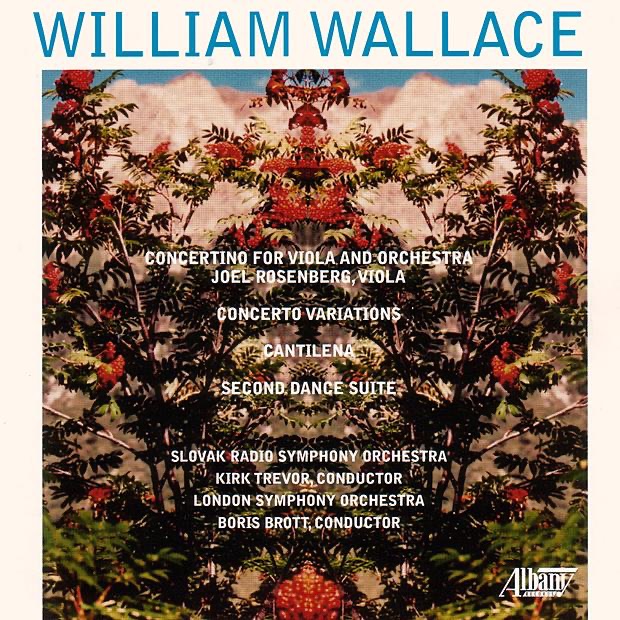 December 27, 2005
 -
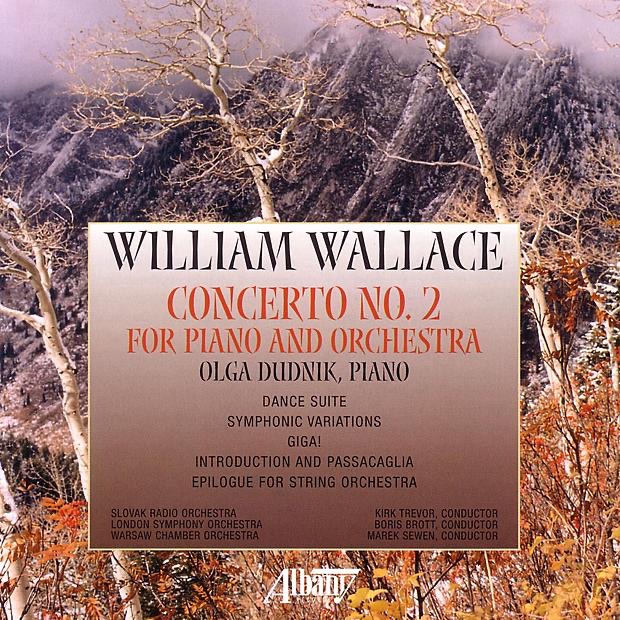 March 25, 2003
Keyboard
-
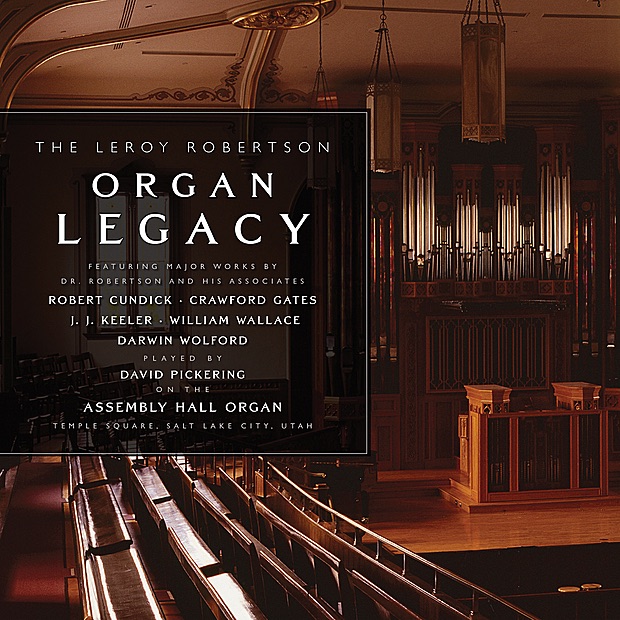 March 4, 2008
Chamber
-
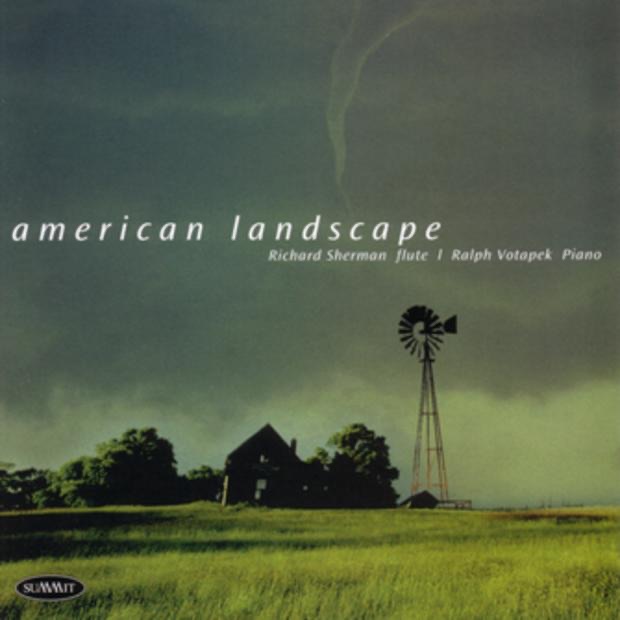 June 1, 2000
Artist Info
Role:ComposerBirth:1933 in Salt Lake City, UTPeriod:ContemporaryWilliam Vincent Wallace was a renowned Irish composer of the 19th century, known for his operas and other works. He was born on March 11, 1812, in Waterford, Ireland, to a musical family. His father, William Wallace Sr., was a violinist and music teacher, and his mother, Mary Anne Keating, was a singer. William Jr. showed an early interest in music and began playing the violin at a young age. Wallace's family moved to Dublin when he was a child, and he received his early musical education there. He studied with several prominent musicians, including John Field, the composer and pianist, and Luigi Lablache, the Italian opera singer. Wallace's talent as a violinist was recognized early on, and he began performing in public at the age of nine. In his early twenties, Wallace moved to London to pursue his musical career. He quickly established himself as a successful performer and composer, and his works were well-received by audiences and critics alike. His first major success came in 1835 with the premiere of his opera Maritana, which was a huge hit and was performed throughout Europe and the United States. Over the next few years, Wallace continued to compose operas and other works, including the popular song "The Harp That Once Through Tara's Halls." In 1841, he married Helen Stoepel, a pianist and singer, and the couple had several children together. In 1845, Wallace traveled to Australia and New Zealand, where he performed and composed music for several years. He also became involved in politics and was elected to the New South Wales Legislative Council in 1856. However, he eventually returned to Europe and continued to compose and perform. Wallace's most famous opera, Lurline, premiered in 1860 and was a huge success. It was performed throughout Europe and the United States and was praised for its beautiful melodies and lush orchestration. Other notable works by Wallace include the operas The Amber Witch, Matilda of Hungary, and Love's Triumph. In addition to his operas, Wallace also composed chamber music, songs, and other works. He was known for his skillful use of melody and harmony, and his music was often described as romantic and lyrical. Wallace's health began to decline in the 1860s, and he suffered from a series of strokes in his later years. He died on October 12, 1865, in the French town of Arcachon, where he had gone to recuperate. He was buried in the nearby town of Pau, and his grave is still visited by music lovers today. Despite his relatively short life, William Wallace left a lasting legacy in the world of classical music. His operas and other works continue to be performed and recorded, and his influence can be heard in the music of later composers such as Giuseppe Verdi and Richard Wagner. Wallace's contributions to the development of romantic opera and his skillful use of melody and harmony have earned him a place among the great composers of the 19th century.More....
Recent Artist Music
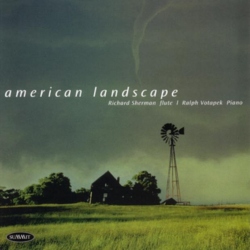
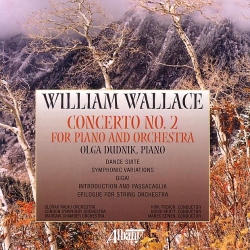
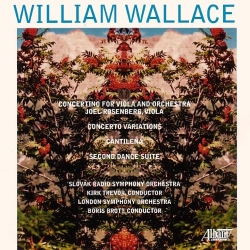
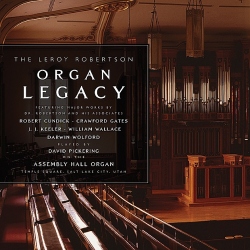
Copyright Ⓒ 2013 Davinci Finger. All rights reseved
Service Terms & Policy