


Cecil Cope
Released Album
Vocal
-
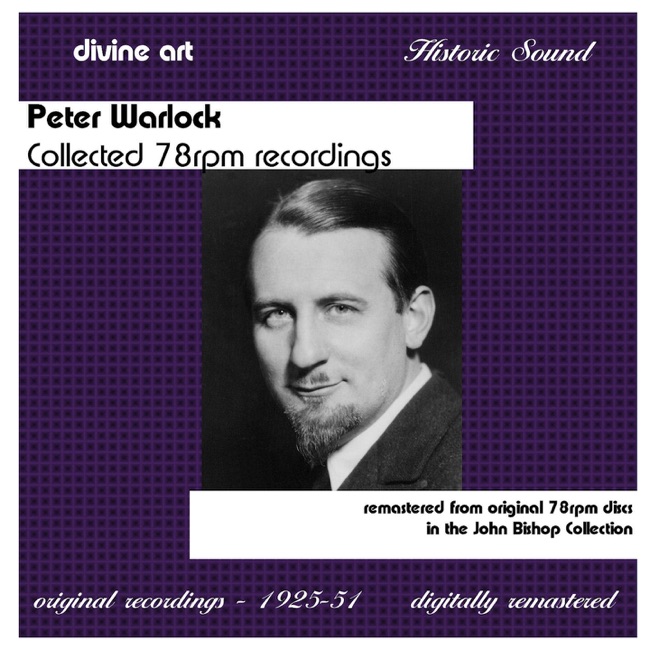 October 12, 2009
Choral
-
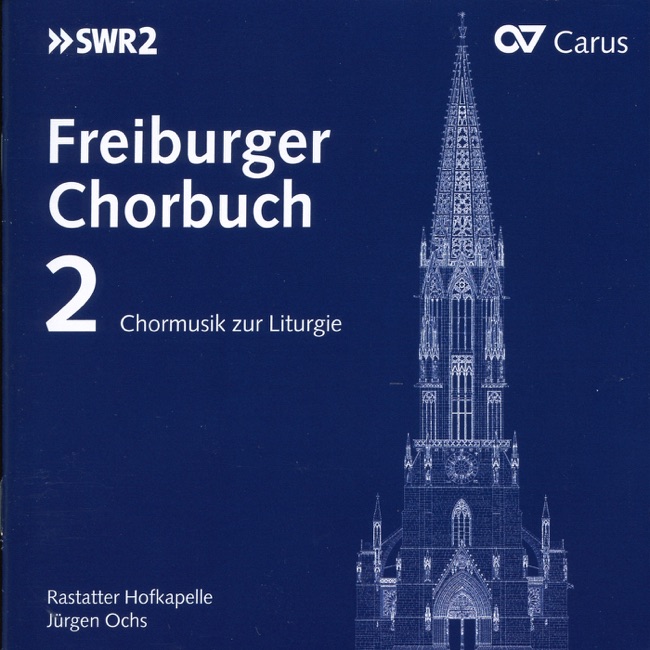 June 26, 2012
Artist Info
Role:ComposerCecil Cope was a renowned classical music composer who was born on May 12, 1925, in London, England. He was the youngest of three children born to a family of musicians. His father was a violinist, and his mother was a pianist. Cecil showed an early interest in music and began playing the piano at the age of four. Cecil's parents recognized his talent and encouraged him to pursue a career in music. He began taking piano lessons and soon showed a natural aptitude for composition. By the age of ten, he had composed his first piece of music, a short piano sonata. Cecil continued to study music throughout his teenage years, attending the Royal Academy of Music in London. He studied composition under the tutelage of some of the most respected composers of the time, including Benjamin Britten and Ralph Vaughan Williams. After completing his studies, Cecil began working as a freelance composer, writing music for a variety of mediums, including film, television, and the concert hall. His early works were heavily influenced by the music of his mentors, Britten and Vaughan Williams, but he soon developed his own unique style. One of Cecil's most significant early works was his Symphony No. 1, which he composed in 1950. The piece was well-received by critics and established Cecil as a rising star in the classical music world. The symphony was characterized by its lush orchestration and sweeping melodies, which were reminiscent of the Romantic era. Throughout the 1950s and 1960s, Cecil continued to compose prolifically, writing music for a variety of mediums. He composed several operas, including The Tempest, which was based on the Shakespeare play of the same name. He also wrote several ballets, including The Nutcracker, which was a collaboration with choreographer George Balanchine. In the 1970s, Cecil's music began to take on a more experimental tone. He began incorporating elements of electronic music into his compositions, and his works became more abstract and avant-garde. One of his most significant works from this period was his Symphony No. 5, which was characterized by its use of electronic instruments and unconventional harmonies. Despite his experimentation, Cecil remained a popular composer throughout his career. He continued to write music for film and television, and his works were performed by some of the most respected orchestras in the world. Cecil's final years were marked by declining health, and he passed away on June 15, 1995, at the age of 70. He left behind a legacy of beautiful and innovative music that continues to be celebrated by classical music enthusiasts around the world.More....
Recent Artist Music
Copyright Ⓒ 2013 Davinci Finger. All rights reseved
Service Terms & Policy