


Carlo Savina
Released Album
Vocal
-
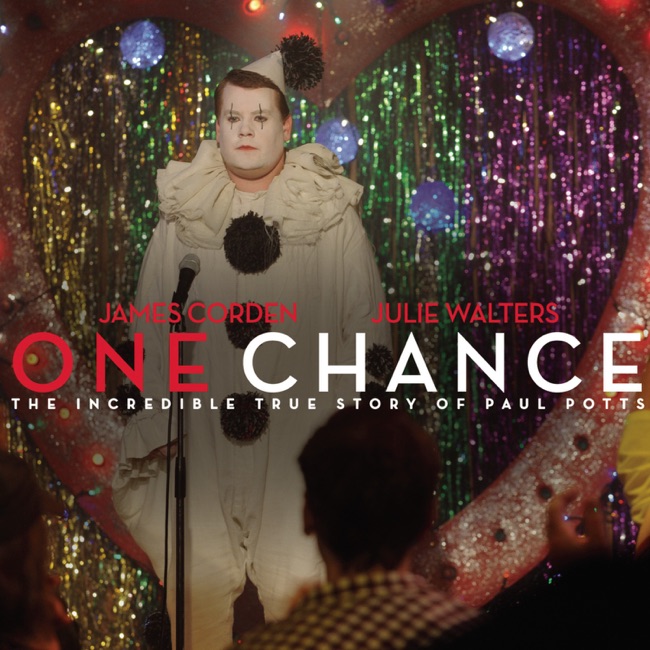 January 7, 2014
 -
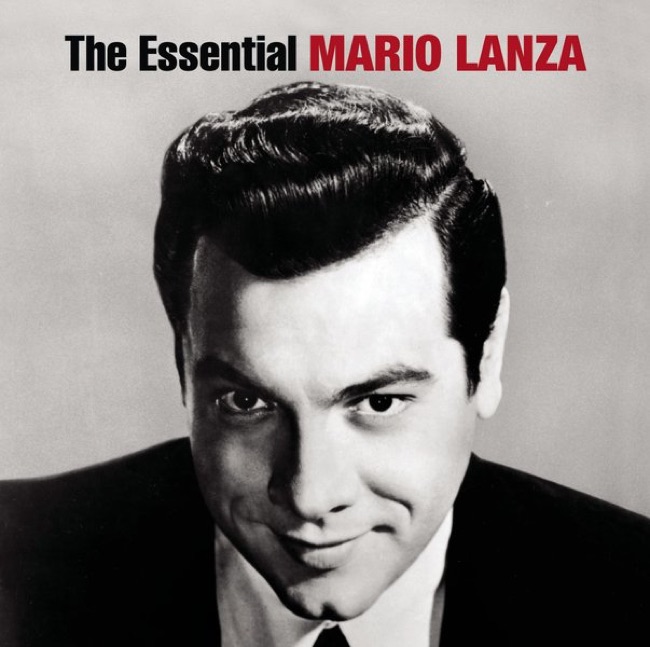 April 3, 2007
 -
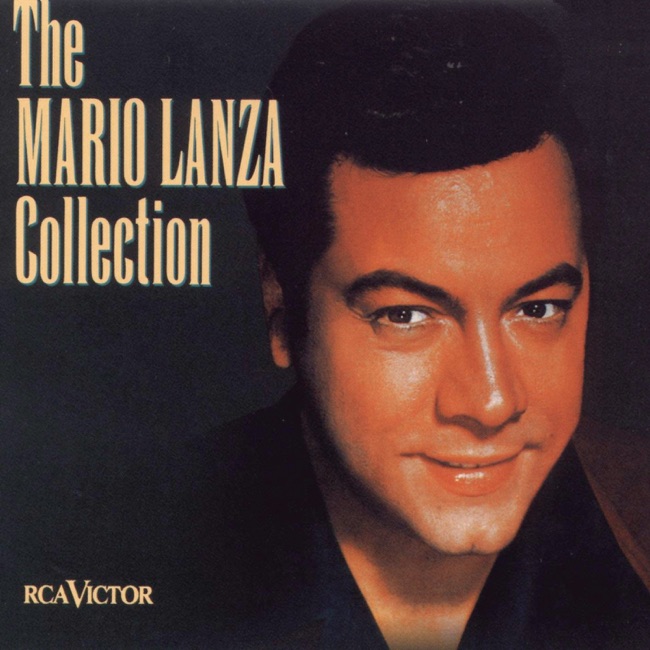 November 12, 1991
Film
-
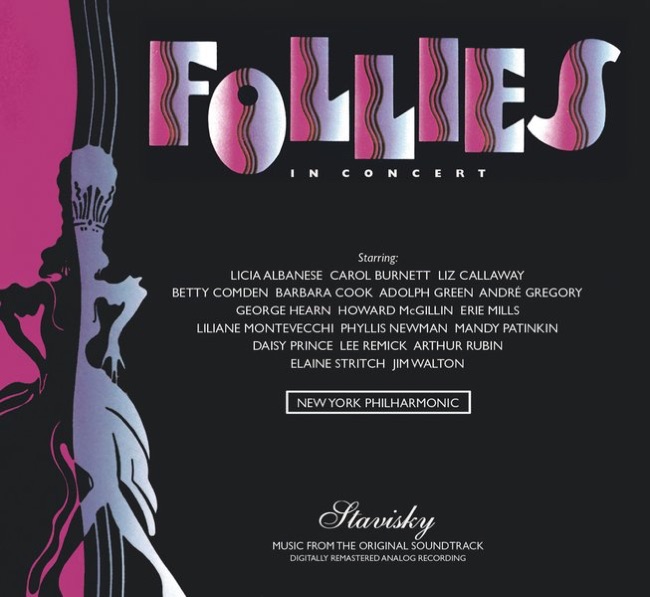 October 24, 2011
Artist Info
Role:Composer ConductorBirth:August 2, 1919Death:June 23, 2002Genre:FilmCarlo Savina was an Italian composer, conductor, and arranger who made significant contributions to the world of classical music. He was born on August 2, 1919, in Turin, Italy, and grew up in a family of musicians. His father, Umberto Savina, was a composer and conductor, and his mother, Maria Giuseppina, was a pianist. Carlo showed an early interest in music and began studying the piano at the age of six. Savina's musical education continued at the Conservatory of Turin, where he studied composition, conducting, and piano. He graduated with honors in 1940 and began his career as a pianist and arranger for various Italian orchestras. In 1943, he joined the Italian army and served as a musician in the military band. After the war, he returned to his career in music and began working as a conductor and arranger for Italian radio and television. Savina's talent as a composer and arranger soon caught the attention of the Italian film industry, and he began working as a film composer in the early 1950s. He composed music for over 200 films, including many of the most popular Italian films of the era. Some of his most famous film scores include "La Dolce Vita," "La Strada," and "Il Gattopardo." His music was known for its lush orchestration and romantic melodies, and it helped to define the sound of Italian cinema in the 1950s and 1960s. In addition to his work in film, Savina was also a prolific composer of classical music. He wrote numerous symphonies, concertos, and chamber works, as well as music for the stage and ballet. His music was performed by some of the world's leading orchestras, including the London Symphony Orchestra, the Royal Philharmonic Orchestra, and the Berlin Philharmonic. Savina's career was marked by many highlights and achievements. In 1958, he won the Nastro d'Argento award for Best Score for his work on the film "La Tempesta." He also received the David di Donatello award for Best Score in 1960 for his work on the film "Il Bell'Antonio." In 1962, he was awarded the Silver Ribbon for Best Score for his work on the film "Divorzio all'italiana." He continued to receive critical acclaim throughout his career, and his music was widely admired for its beauty and emotional depth. Savina's work as a conductor was also highly regarded. He conducted many of the world's leading orchestras, including the London Symphony Orchestra, the Royal Philharmonic Orchestra, and the Berlin Philharmonic. He was known for his ability to bring out the best in his musicians and for his passionate and expressive conducting style. Despite his many achievements, Savina remained humble and dedicated to his craft. He continued to compose and conduct music until his death on March 23, 2002, at the age of 82. His legacy lives on through his music, which continues to be performed and admired by musicians and audiences around the world. In conclusion, Carlo Savina was a highly talented and accomplished composer, conductor, and arranger who made significant contributions to the world of classical music. His music was known for its beauty, emotional depth, and lush orchestration, and it helped to define the sound of Italian cinema in the 1950s and 1960s. He received numerous awards and accolades throughout his career, and his work continues to be admired and performed by musicians and audiences around the world. Carlo Savina will always be remembered as one of the greats of classical music.More....
Recent Artist Music
Copyright Ⓒ 2013 Davinci Finger. All rights reseved
Service Terms & Policy