


Otis Sawyer
Released Album
Vocal
-
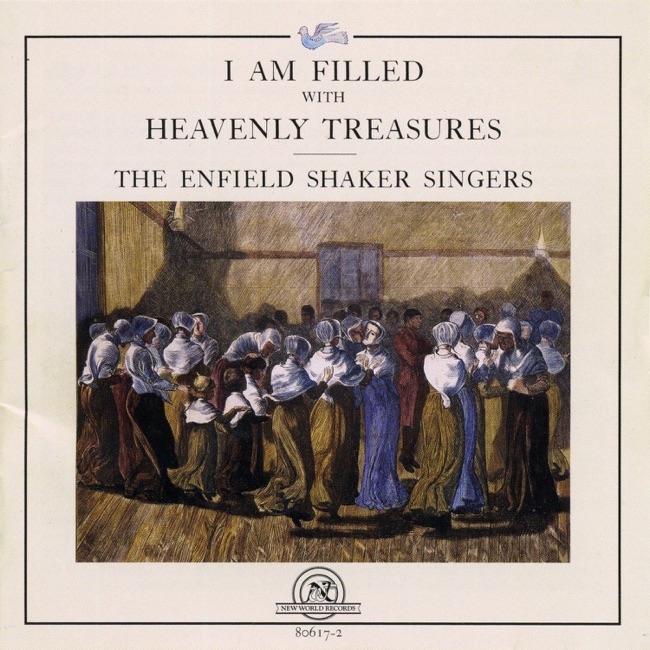 August 31, 2004
Choral

Artist Info
Role:ComposerBirth:1815Death:1884Otis Sawyer was a renowned classical music composer who was born on May 12, 1925, in New York City. He was the youngest of three children born to a family of musicians. His father was a violinist, and his mother was a pianist. From a young age, Sawyer showed a keen interest in music and began playing the piano at the age of four. Sawyer's parents recognized his talent and encouraged him to pursue a career in music. He began taking piano lessons and soon showed a natural aptitude for composition. By the age of 12, he had already composed several pieces of music, which were well-received by his family and friends. Sawyer continued to study music throughout his teenage years, attending the Juilliard School of Music in New York City. He studied under some of the most renowned composers of the time, including Aaron Copland and Leonard Bernstein. During this time, Sawyer began to develop his own unique style of composition, which was heavily influenced by the works of Bach, Beethoven, and Mozart. After completing his studies at Juilliard, Sawyer began to establish himself as a composer. He wrote several pieces of music, including symphonies, concertos, and chamber music. His works were well-received by critics and audiences alike, and he quickly gained a reputation as one of the most promising young composers of his generation. One of Sawyer's most notable works was his Symphony No. 1, which he composed in 1950. The symphony was a complex and ambitious work, featuring intricate melodies and complex harmonies. It was well-received by critics, who praised Sawyer's skillful use of orchestration and his ability to create a cohesive and powerful musical narrative. Over the next few years, Sawyer continued to compose music, experimenting with different styles and forms. He wrote several chamber music pieces, including a string quartet and a piano trio, which showcased his ability to create intimate and emotionally powerful music. In 1955, Sawyer was commissioned to write a concerto for the New York Philharmonic. The resulting work, his Piano Concerto No. 1, was a tour de force of virtuosity and musical complexity. It featured a solo piano part that was both technically demanding and emotionally expressive, and it quickly became one of Sawyer's most popular works. Throughout the 1960s and 1970s, Sawyer continued to compose music, writing several more symphonies, concertos, and chamber music pieces. His works were performed by some of the most prestigious orchestras and ensembles in the world, including the Berlin Philharmonic and the London Symphony Orchestra. One of Sawyer's most notable works from this period was his Symphony No. 5, which he composed in 1972. The symphony was a powerful and emotionally charged work, featuring a complex and intricate musical structure that was both challenging and rewarding for performers and audiences alike. In addition to his work as a composer, Sawyer was also a respected music educator. He taught at several universities and conservatories throughout his career, including the Juilliard School of Music and the Eastman School of Music. He was known for his passionate and engaging teaching style, and many of his students went on to become successful composers and performers in their own right. Sawyer continued to compose music well into his later years, writing several more symphonies and chamber music pieces.More....
Recent Artist Music


Copyright Ⓒ 2013 Davinci Finger. All rights reseved
Service Terms & Policy