


Nikolai Peyko
Released Album
Keyboard
-
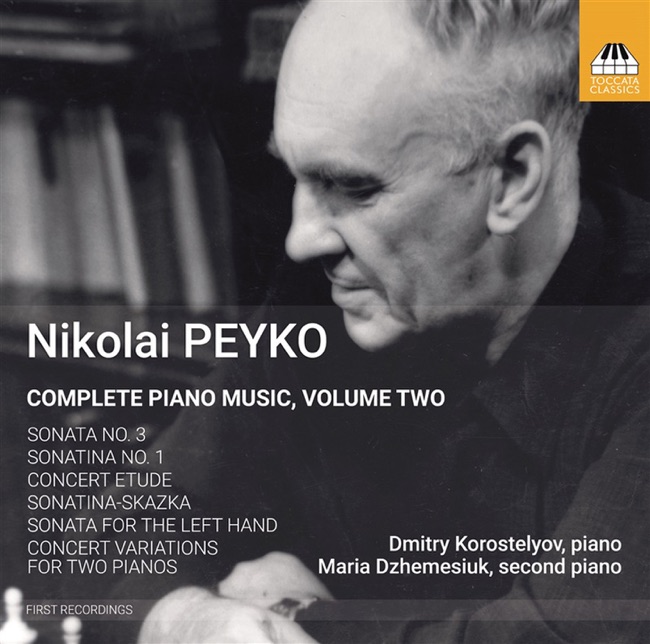 April 14, 2015
 -
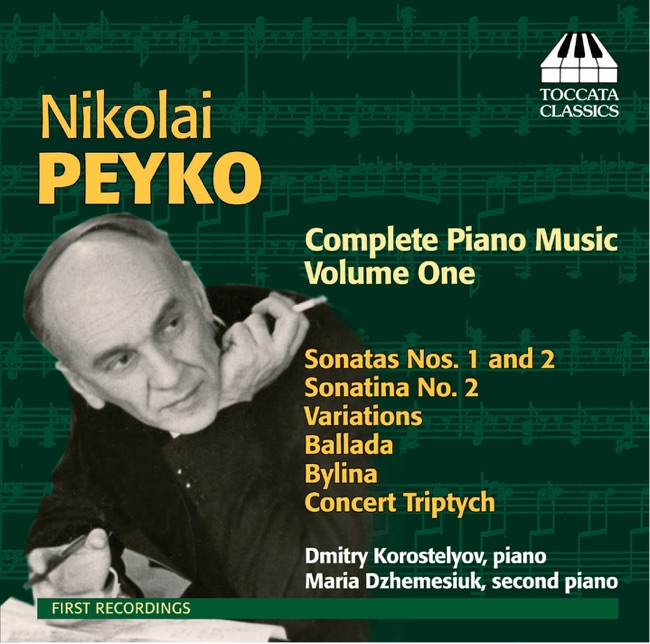 June 10, 2014
Artist Info
Role:ComposerBirth:1916Death:1995Nikolai Peyko was a Russian composer who lived from 1902 to 1970. He was born in the city of Moscow, where he spent most of his life. Peyko was born into a family of musicians, and his father was a well-known conductor. From a young age, Peyko showed a great interest in music, and he began studying piano and composition at a young age. Peyko's early years were marked by his studies at the Moscow Conservatory, where he studied under some of the most prominent composers of the time. He was particularly influenced by the works of Sergei Prokofiev and Igor Stravinsky, and he developed a style that was characterized by its use of dissonance and unconventional harmonies. Peyko's early works were marked by their experimental nature, and he quickly gained a reputation as a composer who was unafraid to push the boundaries of traditional classical music. His early works were often met with mixed reviews, but he continued to develop his style and refine his techniques. One of Peyko's most notable works from this period was his Symphony No. 1, which was composed in 1928. The symphony was marked by its use of unconventional harmonies and its complex rhythms, and it was hailed as a groundbreaking work by many critics. Throughout the 1930s, Peyko continued to compose works that were marked by their experimental nature. He was particularly interested in exploring the possibilities of electronic music, and he began experimenting with tape recorders and other electronic devices in his compositions. One of Peyko's most notable works from this period was his Piano Concerto No. 1, which was composed in 1934. The concerto was marked by its use of unconventional harmonies and its complex rhythms, and it was hailed as a groundbreaking work by many critics. In the 1940s, Peyko's style began to evolve, and he began to incorporate more traditional elements into his compositions. He was particularly interested in exploring the possibilities of folk music, and he began incorporating folk melodies and rhythms into his works. One of Peyko's most notable works from this period was his Symphony No. 5, which was composed in 1947. The symphony was marked by its use of folk melodies and rhythms, and it was hailed as a groundbreaking work by many critics. Throughout the 1950s and 1960s, Peyko continued to compose works that were marked by their experimental nature. He was particularly interested in exploring the possibilities of serialism, and he began incorporating serial techniques into his compositions. One of Peyko's most notable works from this period was his String Quartet No. 3, which was composed in 1958. The quartet was marked by its use of serial techniques and its complex rhythms, and it was hailed as a groundbreaking work by many critics. Peyko's legacy as a composer is marked by his willingness to push the boundaries of traditional classical music. He was unafraid to experiment with new techniques and styles, and his works continue to be studied and performed by musicians around the world.More....
Recent Artist Music
Copyright Ⓒ 2013 Davinci Finger. All rights reseved
Service Terms & Policy