


Joachim Stutschewsky
Released Album
Chamber
-
 November 10, 2015
 -
 September 30, 2013
 -
 April 14, 2009
 -
 July 17, 2007
 -
 May 23, 2006
Miscellaneous
-
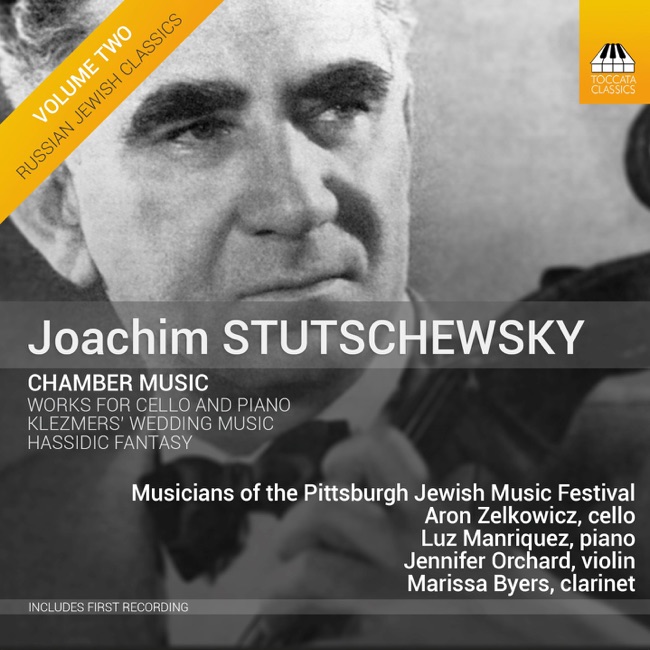 April 8, 2016
Keyboard
-
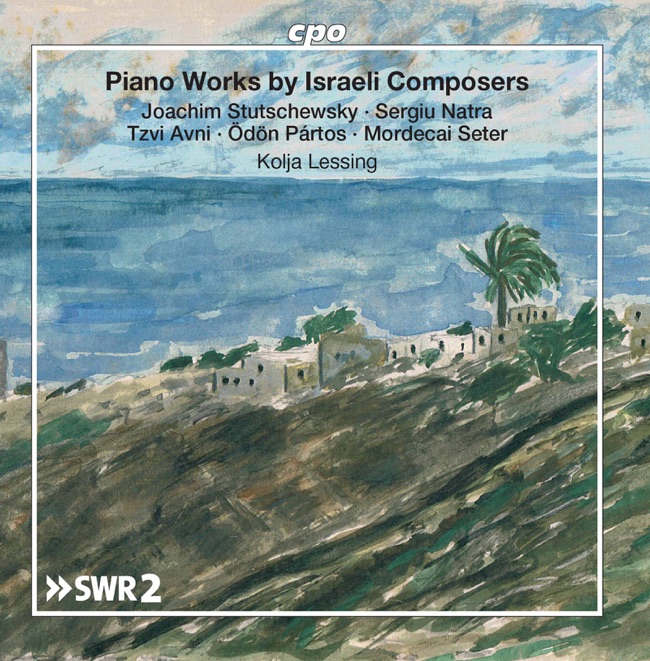 January 3, 2020
 -
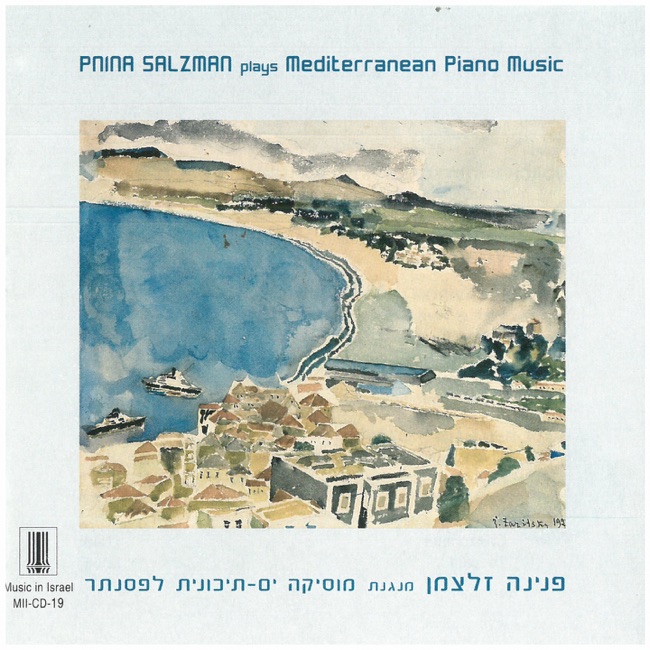 February 11, 2014
Artist Info
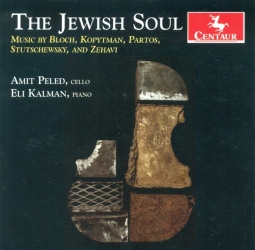
Role:ComposerBirth:February 7, 1891Death:November 14, 1982Joachim Stutschewsky was a classical music composer and cellist born on August 23, 1891, in Lviv, Ukraine. He was born into a family of musicians, and his father was a cantor and composer. Stutschewsky began his musical education at a young age, studying cello with his father and piano with his mother. He later studied at the Vienna Conservatory, where he was a student of Julius Klengel, a renowned cellist. After completing his studies, Stutschewsky began his career as a cellist, performing with various orchestras and ensembles throughout Europe. He also began composing music, and his works were well-received by audiences and critics alike. In 1920, he moved to Palestine (now Israel) and became a member of the Palestine Symphony Orchestra (now the Israel Philharmonic Orchestra). Stutschewsky's compositions were heavily influenced by Jewish music and culture, and he often incorporated traditional Jewish melodies and themes into his works. He was particularly interested in the music of the Sephardic Jews, who had lived in Spain and Portugal before being expelled in the 15th century. Stutschewsky collected and transcribed many Sephardic melodies, which he used as the basis for his compositions. One of Stutschewsky's most famous works is his "Sephardic Suite," which was composed in 1938. The suite consists of six movements, each based on a different Sephardic melody. The work is scored for string orchestra and features lush harmonies and intricate rhythms. The "Sephardic Suite" has become a staple of the classical music repertoire and is often performed by orchestras around the world. Another notable work by Stutschewsky is his "Hasidic Suite," which was composed in 1949. The suite consists of five movements, each based on a different Hasidic melody. Like the "Sephardic Suite," the "Hasidic Suite" is scored for string orchestra and features rich harmonies and complex rhythms. The work has become a favorite of both performers and audiences and is often performed at Jewish cultural events. In addition to his orchestral works, Stutschewsky also composed chamber music, including several works for cello and piano. One of his most famous chamber works is his "Hebrew Suite," which was composed in 1939. The suite consists of four movements, each based on a different Hebrew melody. The work is scored for cello and piano and features virtuosic writing for both instruments. Stutschewsky was also a prolific writer and scholar, and he wrote extensively on Jewish music and culture. He published several books on Jewish music, including "Music in Ancient Israel" and "The Music of the Jews in the Diaspora." He also wrote articles for various music journals and was a frequent lecturer on Jewish music. Stutschewsky continued to compose and perform throughout his life, and he remained an active member of the Israeli music community until his death in 1982. His music continues to be performed and recorded by orchestras and ensembles around the world, and his contributions to Jewish music and culture have had a lasting impact on the classical music world.More....
Recent Artist Music

8
3:13

Copyright Ⓒ 2013 Davinci Finger. All rights reseved
Service Terms & Policy