


Serbian Traditional
Artist Info
Role:ComposerSerbian Traditional music is a genre of music that has been passed down through generations in Serbia. It is a unique blend of various musical styles, including Byzantine, Ottoman, and Slavic influences. The music is characterized by its use of traditional instruments such as the gusle, a one-stringed instrument, and the frula, a type of flute. The origins of Serbian Traditional music can be traced back to the medieval period when Serbia was under the rule of the Byzantine Empire. During this time, the Serbian Orthodox Church played a significant role in the development of the music. The church used music as a means of worship and as a way to preserve the Serbian language and culture. Over time, Serbian Traditional music evolved and incorporated elements from other cultures, including the Ottoman Empire, which ruled over Serbia for several centuries. The Ottoman influence can be heard in the use of instruments such as the saz, a type of lute, and the darbuka, a type of drum. One of the most significant figures in the history of Serbian Traditional music is Vuk Stefanović Karadžić. Karadžić was a Serbian linguist and folklorist who collected and published Serbian folk songs in the early 19th century. His work helped to preserve and promote Serbian Traditional music, and he is considered a national hero in Serbia. Another important figure in the history of Serbian Traditional music is Stevan Stojanović Mokranjac. Mokranjac was a composer and musicologist who is often referred to as the father of modern Serbian music. He studied music in Prague and Vienna and returned to Serbia in the late 19th century. Mokranjac's compositions were heavily influenced by Serbian Traditional music, and he is credited with helping to establish a national musical identity in Serbia. One of Mokranjac's most famous works is his collection of Serbian folk songs, which he arranged for choir. The collection, known as the "Mokranjac's Songs," is still performed today and is considered a cornerstone of Serbian choral music. In addition to Mokranjac, there have been many other composers who have contributed to the development of Serbian Traditional music. One of these composers is Petar Konjović, who is known for his operas and orchestral works. Konjović's music is characterized by its use of Serbian folk melodies and rhythms. Another composer who has made significant contributions to Serbian Traditional music is Isidor Bajić. Bajić was a pianist and composer who founded the first music school in Serbia. He also established the Belgrade Philharmonic Orchestra and was instrumental in promoting classical music in Serbia. Serbian Traditional music has also been influenced by the political and social changes that have occurred in Serbia over the years. During the 20th century, Serbia experienced significant political upheaval, including two world wars and the breakup of Yugoslavia. These events had a profound impact on Serbian Traditional music, and many composers used their music as a means of expressing their political and social views. One example of this is the composer Marko Tajčević, who was a member of the Yugoslav Communist Party. Tajčević's music was heavily influenced by Serbian Traditional music, and he used it to promote socialist ideals. His most famous work is his suite for piano, "Balkan Dances," which incorporates elements of Serbian, Bulgarian, and Macedonian folk music.More....
Recent Artist Music
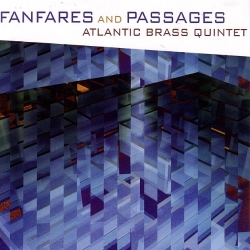
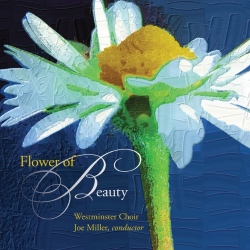
3
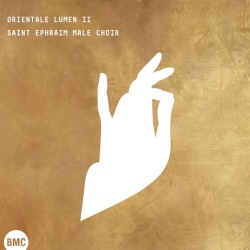
Praise the Lord for he is good (Psalm 135)
Slavite Gospoda jer je dobar: Traditional Serbian Chant (Ps 135)
7:9
Copyright Ⓒ 2013 Davinci Finger. All rights reseved
Service Terms & Policy