


Alberto Nepomuceno
Released Album
Keyboard
-
 October 1, 2010
 -
 April 15, 1997
 -
 August 5, 1994
Orchestral
-
 September 9, 2022
 -
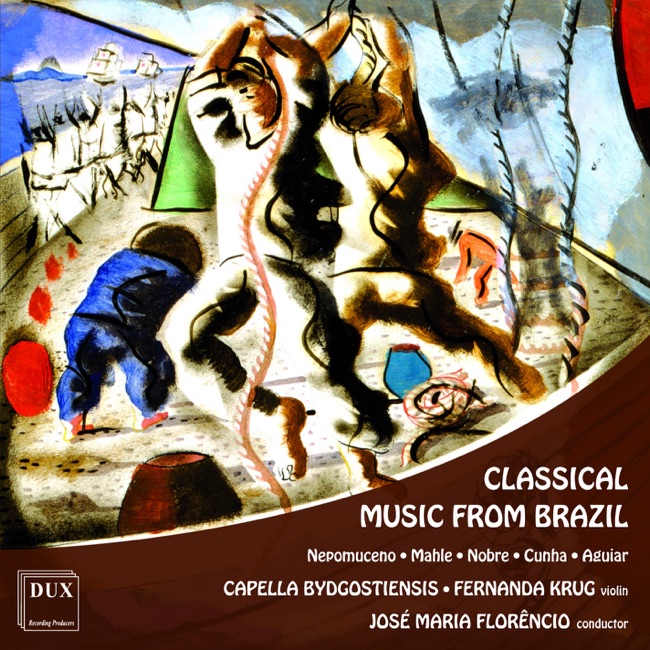 May 28, 2013
 -
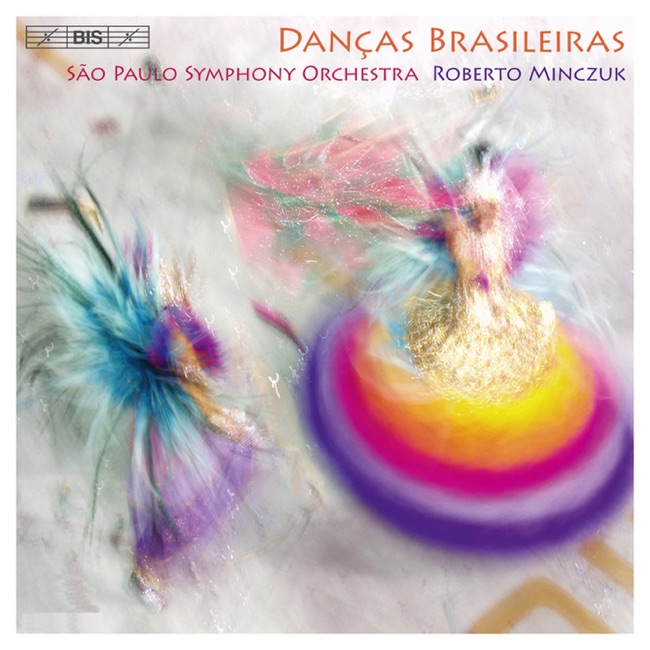 November 22, 2011
Vocal
-
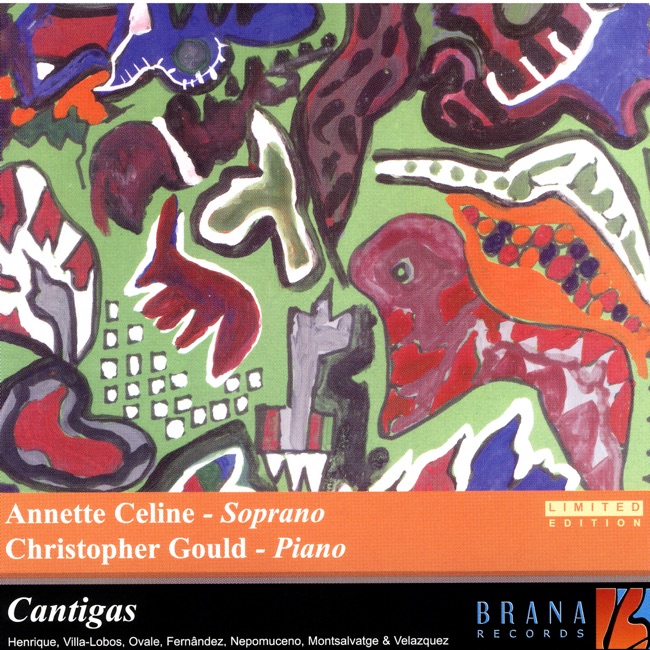 November 16, 1998
 -
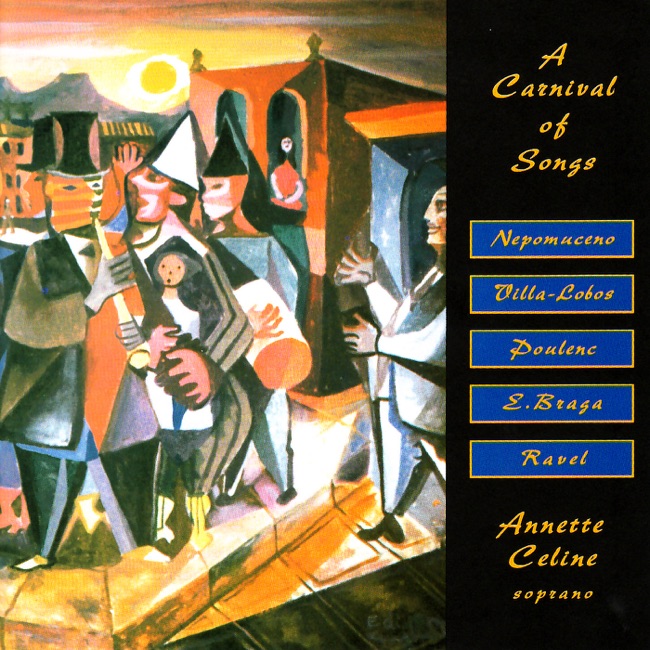 April 5, 1984
Artist Info
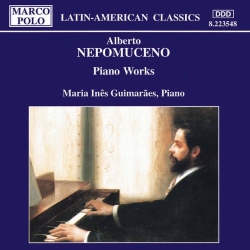
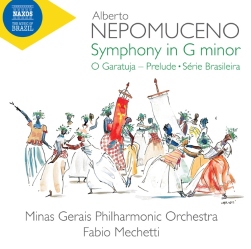
Role:ComposerBirth:1864Death:1920Genre:KeyboardVocalAlberto Nepomuceno was a Brazilian composer, conductor, and musicologist who played a significant role in the development of classical music in Brazil. He was born on July 6, 1864, in Fortaleza, Ceará, Brazil, to a family of musicians. His father, João Nepomuceno, was a violinist, and his mother, Maria Virginia de Oliveira Nepomuceno, was a pianist. Alberto Nepomuceno showed an early interest in music and began studying the piano and violin at a young age. In 1881, Nepomuceno moved to Rio de Janeiro to study at the Imperial Conservatory of Music. He studied composition with Leopoldo Miguez and piano with Henrique Oswald. He also studied conducting with Carlos Gomes, the most prominent Brazilian composer of the time. Nepomuceno was a talented student and won several awards and scholarships during his time at the conservatory. After completing his studies, Nepomuceno worked as a pianist and conductor in Rio de Janeiro. He also began composing his own music, which was heavily influenced by European classical music but also incorporated Brazilian folk melodies and rhythms. In 1893, he composed his first major work, the symphonic poem "O Garatuja," which was based on a novel by Brazilian writer José de Alencar. In 1895, Nepomuceno was appointed conductor of the Orquestra do Teatro Municipal de São Paulo, one of the most prestigious orchestras in Brazil. He held this position for several years and conducted many important premieres, including the Brazilian premiere of Richard Wagner's "Tristan und Isolde" in 1903. Nepomuceno's most significant contribution to Brazilian music was his work as a musicologist. He was one of the first scholars to study and document Brazilian folk music, which he believed was an essential part of the country's cultural heritage. He traveled extensively throughout Brazil, collecting and transcribing folk songs and dances. He also wrote several books and articles on Brazilian music, including "O Folk-Lore Musical do Brazil" (The Musical Folklore of Brazil), which was published in 1908. Nepomuceno's compositions were well-received in Brazil and Europe, and he was considered one of the leading composers of his time. His music was performed by many of the top orchestras and conductors of the day, including Arturo Toscanini and Felix Weingartner. Some of his most famous works include the symphonic poem "Série Brasileira," which incorporates Brazilian folk melodies and rhythms, and the opera "Abul," which tells the story of a Muslim prince who falls in love with a Christian woman. Nepomuceno's career was cut short by his untimely death in 1920 at the age of 56. However, his legacy lived on through his music and his contributions to Brazilian musicology. He was a pioneer in the study and preservation of Brazilian folk music and helped to establish a distinct Brazilian classical music tradition. Today, he is remembered as one of the most important figures in Brazilian music history.More....
Recent Artist Music

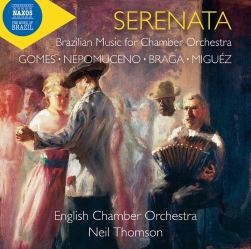
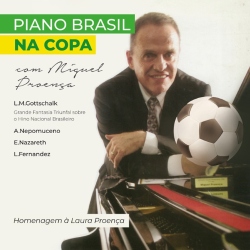
Recommend Playlist





Copyright Ⓒ 2013 Davinci Finger. All rights reseved
Service Terms & Policy