


Johann Schultz
Released Album
Choral
-
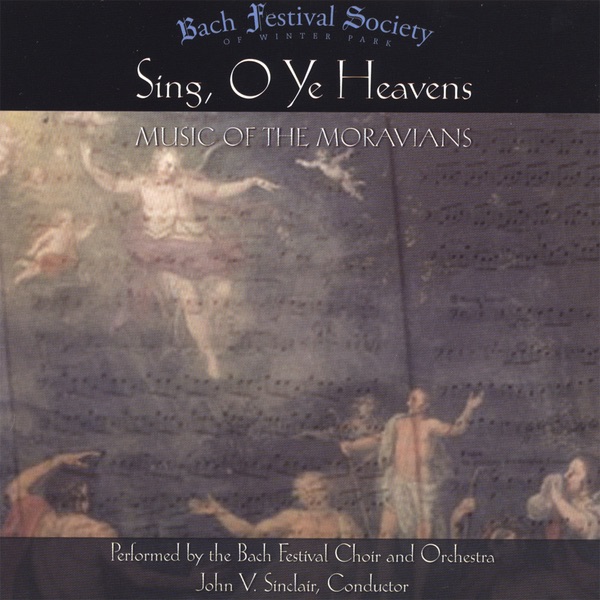 August 15, 2007
Concerto
-
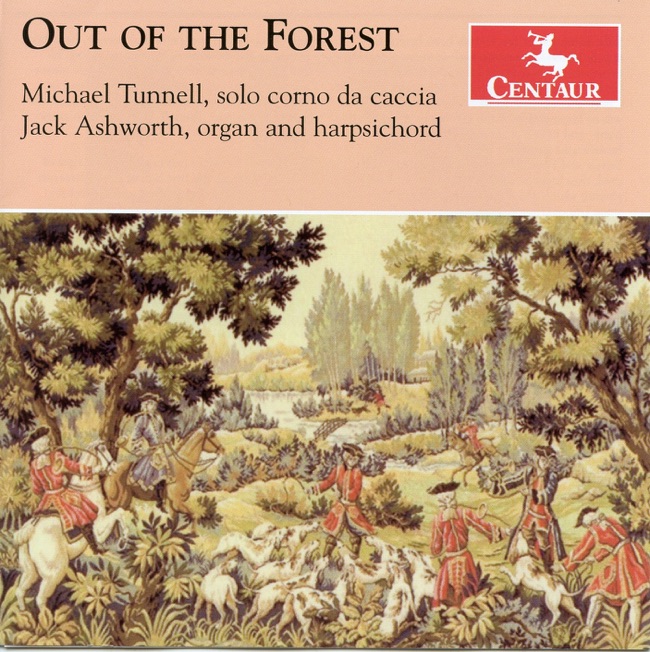 November 27, 2012
Chamber
-
 January 15, 2002
Artist Info
Role:ComposerCountry: GermanyBirth:1747Death:1800Genre:ChamberJohann Schultz was a German composer and musician who lived during the 18th century. He was born on March 23, 1724, in the city of Leipzig, which was a hub of musical activity during his time. Schultz was the son of a musician, and he grew up in a household that was steeped in music. His father recognized his son's musical talent at an early age and began to teach him the basics of music theory and composition. Schultz's early years were spent studying music and performing in various ensembles. He was a gifted violinist and pianist, and he quickly gained a reputation as a talented musician. In 1742, he enrolled at the Leipzig University, where he studied music theory and composition under the tutelage of Johann Sebastian Bach. Bach was one of the most influential composers of the Baroque era, and his teachings had a profound impact on Schultz's musical style. After completing his studies, Schultz began to compose his own music. His early works were heavily influenced by the Baroque style, but he soon began to develop his own unique voice. Schultz's music was characterized by its intricate melodies, complex harmonies, and emotional depth. He was particularly skilled at writing for the piano, and many of his works were written for this instrument. One of Schultz's most famous works is his Piano Sonata in C Minor. This piece is a prime example of Schultz's unique style, with its haunting melodies and complex harmonies. The sonata is divided into three movements, each of which showcases Schultz's mastery of the piano. The first movement is a slow and mournful adagio, while the second movement is a lively and energetic allegro. The final movement is a powerful and emotional presto, which brings the sonata to a dramatic close. Another notable work by Schultz is his Symphony No. 1 in D Major. This symphony is a grand and majestic work, with its soaring melodies and lush orchestration. The symphony is divided into four movements, each of which showcases Schultz's skill as an orchestrator. The first movement is a lively and energetic allegro, while the second movement is a slow and contemplative adagio. The third movement is a playful and light-hearted minuet, while the final movement is a triumphant and celebratory allegro. Schultz's music was well-received during his lifetime, and he was regarded as one of the leading composers of his time. His works were performed in concert halls throughout Europe, and he was highly respected by his peers. However, after his death in 1787, his music fell out of favor and was largely forgotten. It was not until the 20th century that his music began to be rediscovered and appreciated once again. Today, Schultz is recognized as one of the most important composers of the Classical era. His music is characterized by its emotional depth, technical skill, and unique voice. His works continue to be performed and recorded by musicians around the world, and his legacy as a composer and musician lives on.More....
Recent Artist Music

Copyright Ⓒ 2013 Davinci Finger. All rights reseved
Service Terms & Policy