


Narciso Saul
Released Album
Chamber
-
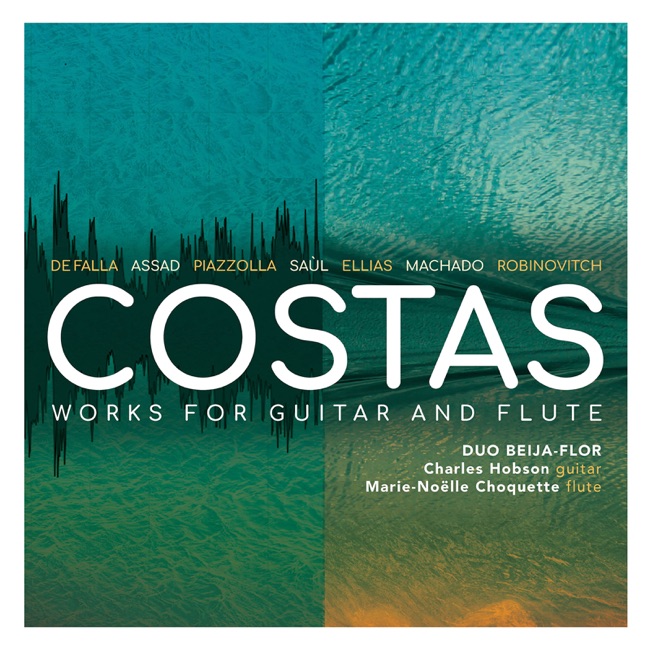 September 14, 2018
 -
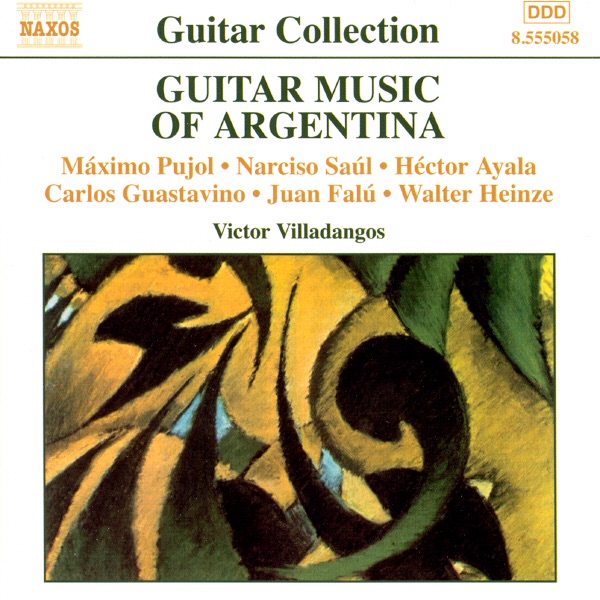 December 27, 2001
Artist Info
Role:ComposerBirth:1957Period:ContemporaryGenre:ChamberNarciso Saul was a renowned classical music composer who was born on January 15, 1922, in Buenos Aires, Argentina. He was the youngest of three children born to a family of musicians. His father was a violinist, and his mother was a pianist. From a young age, Saul was exposed to music and began playing the piano at the age of four. Saul's parents recognized his talent and enrolled him in the National Conservatory of Music in Buenos Aires when he was just six years old. He studied piano, composition, and conducting under some of the most prominent musicians of the time. Saul's talent was evident, and he quickly became known for his exceptional musical abilities. In 1940, Saul graduated from the National Conservatory of Music and began his career as a composer. He quickly gained recognition for his unique style, which blended traditional classical music with elements of Argentine folk music. Saul's music was characterized by its rhythmic complexity, rich harmonies, and expressive melodies. One of Saul's most significant works was his Piano Concerto No. 1, which he composed in 1945. The concerto was premiered by the Buenos Aires Philharmonic Orchestra, and it was an instant success. The piece showcased Saul's exceptional talent as a composer and pianist, and it quickly became one of his most popular works. Saul continued to compose throughout the 1950s and 1960s, and his music continued to gain popularity both in Argentina and abroad. In 1962, he was awarded the National Prize for Music, which was the highest honor that could be bestowed upon a musician in Argentina. One of Saul's most significant works from this period was his Symphony No. 1, which he composed in 1965. The symphony was a departure from Saul's earlier works, as it was more experimental and avant-garde. The piece was well-received by critics and audiences alike, and it cemented Saul's reputation as one of the most innovative composers of his time. In the 1970s, Saul's music took on a more political tone. He became increasingly involved in left-wing politics and began to use his music as a means of expressing his political views. One of his most significant works from this period was his Cantata for the Death of Che Guevara, which he composed in 1973. The piece was a tribute to the revolutionary leader, and it was performed throughout Latin America to great acclaim. Saul continued to compose throughout the 1980s and 1990s, and his music continued to evolve. He began to incorporate elements of jazz and rock into his compositions, and his music became more eclectic and experimental. One of his most significant works from this period was his Concerto for Electric Guitar and Orchestra, which he composed in 1992. The piece was a departure from Saul's earlier works, as it was more rock-oriented and featured a prominent electric guitar solo. Saul's music has been performed by some of the most prominent orchestras and ensembles in the world, including the New York Philharmonic, the Berlin Philharmonic, and the London Symphony Orchestra. His music has also been recorded by numerous artists, and his recordings continue to be popular with classical music enthusiasts. In addition to his work as a composer, Saul was also a respected music educator. He taught at the National Conservatory of Music in Buenos Aires for many years, and he mentored numerous young musicians who went on to become successful composers and performers.More....
Recent Artist Music


Copyright Ⓒ 2013 Davinci Finger. All rights reseved
Service Terms & Policy