


Henri-Joseph Rigel
Released Album
Symphony
-
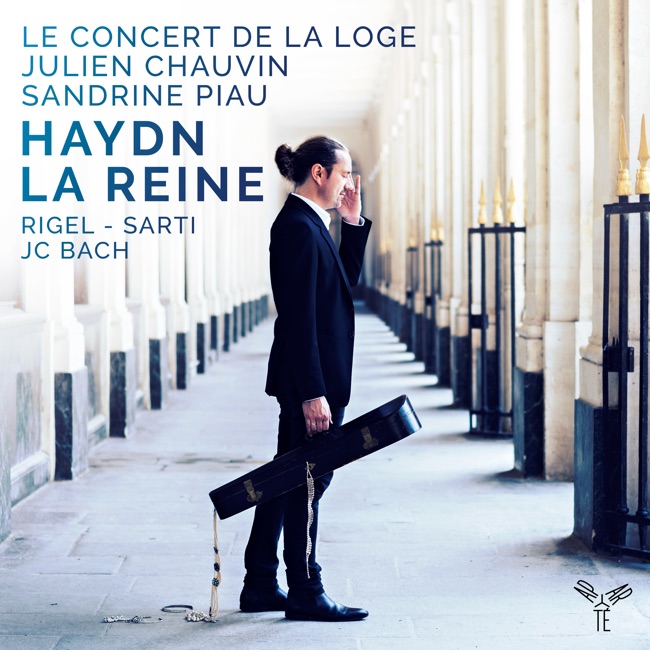 November 25, 2016
 -
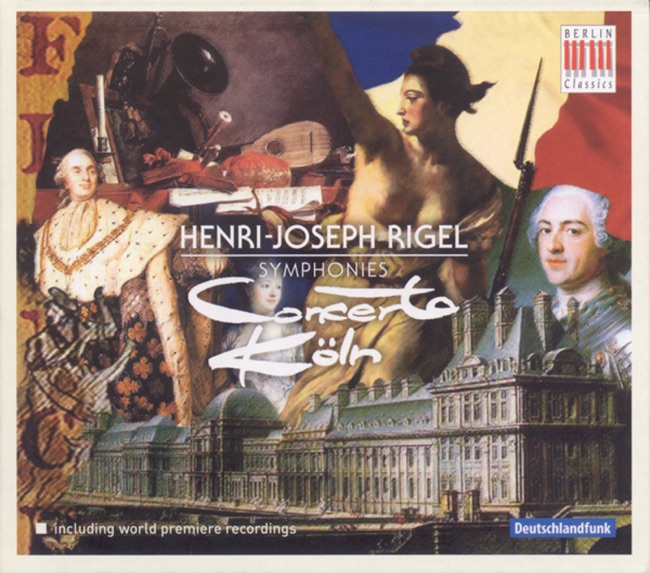 February 20, 2009
Chamber
-
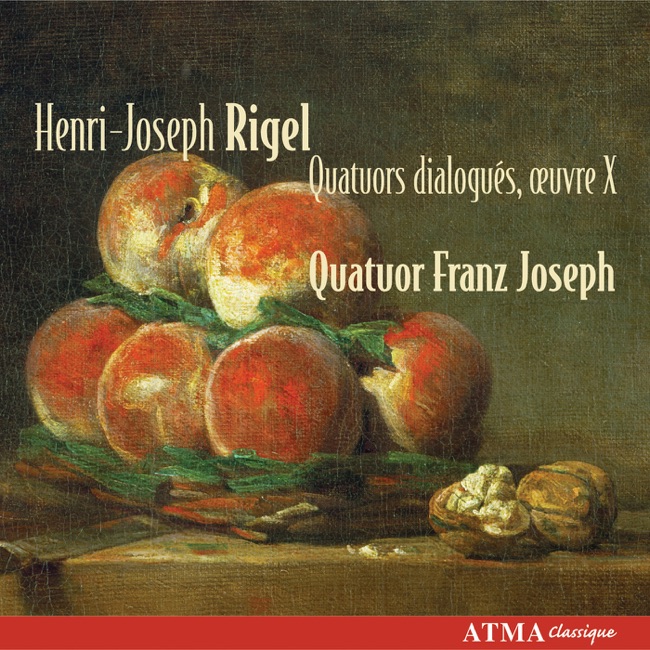 March 28, 2006
Artist Info
Role:ComposerCountry: GermanyBirth:February 9, 1741 in Wertheim, GermanyDeath:May 2, 1799 in Paris, FrancePeriod:ClassicalHenri-Joseph Rigel was a French classical music composer who was born on February 9, 1741, in Wertheim, Germany. He was the son of a musician and was introduced to music at a young age. Rigel's father was a violinist and a member of the orchestra of the Prince of Hohenlohe-Waldenburg. Rigel's father recognized his son's musical talent and began teaching him the violin and the harpsichord. Rigel's family moved to Strasbourg when he was a child, and he continued his musical education there. He studied with the organist and composer Franz Xaver Richter, who was a prominent figure in the musical life of Strasbourg. Rigel also studied with the composer Johann Stamitz, who was the leader of the Mannheim school of composers. In 1760, Rigel moved to Paris to pursue his musical career. He quickly established himself as a composer and performer, and his music was well-received by audiences and critics alike. Rigel's music was influenced by the Mannheim school, and he was known for his use of dynamic contrasts and his innovative orchestration. Rigel's first major success came in 1764 with the premiere of his opera "Les deux aveugles de Tolède" (The Two Blind Men of Toledo). The opera was a hit with audiences and was performed numerous times in Paris and other cities throughout Europe. Rigel continued to compose operas throughout his career, and his works were performed at the Opéra-Comique and other theaters in Paris. In addition to his operas, Rigel composed a significant amount of instrumental music, including symphonies, string quartets, and concertos. His instrumental music was highly regarded by his contemporaries, and his symphonies were performed by some of the leading orchestras of the day. Rigel's music was also popular in Germany, and he was invited to perform in Berlin in 1773. He was appointed Kapellmeister to Prince Heinrich of Prussia, and he remained in Berlin for several years. While in Berlin, Rigel composed a number of works for the court, including operas, symphonies, and chamber music. Rigel returned to Paris in 1778 and continued to compose and perform. He was appointed music director of the Concert Spirituel, one of the leading concert series in Paris. He also taught music at the Conservatoire de Paris, where his students included the composer Luigi Boccherini. Rigel's later years were marked by financial difficulties and declining health. He suffered from gout and was unable to perform as frequently as he had in the past. Despite these challenges, he continued to compose, and his music remained popular with audiences. Henri-Joseph Rigel died on May 2, 1799, in Paris. He was remembered as one of the leading composers of his time, and his music continued to be performed and admired in the years following his death. Today, Rigel is perhaps best known for his instrumental music, particularly his symphonies, which are considered some of the finest examples of the classical style.More....
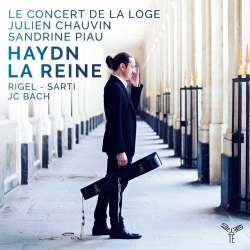
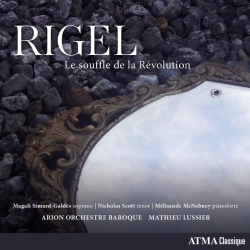
Recent Artist Music

Copyright Ⓒ 2013 Davinci Finger. All rights reseved
Service Terms & Policy