


Arnulfo Miramontes
Released Album
Vocal
-
 April 28, 2015
 -
 September 12, 2006
Keyboard
Artist Info
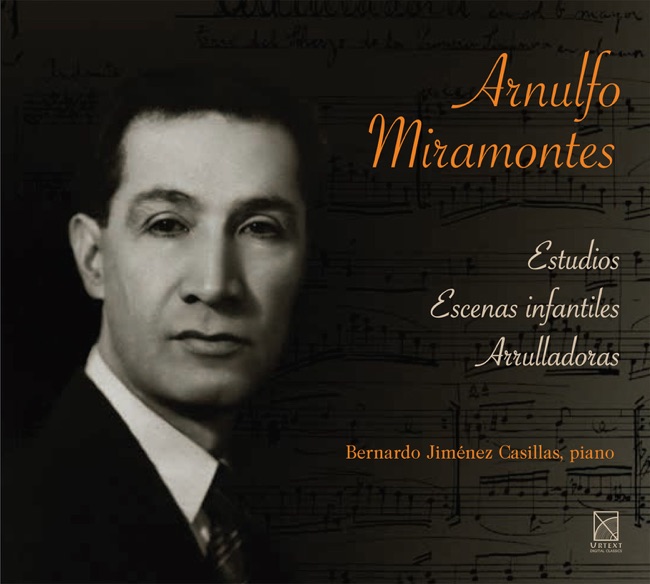
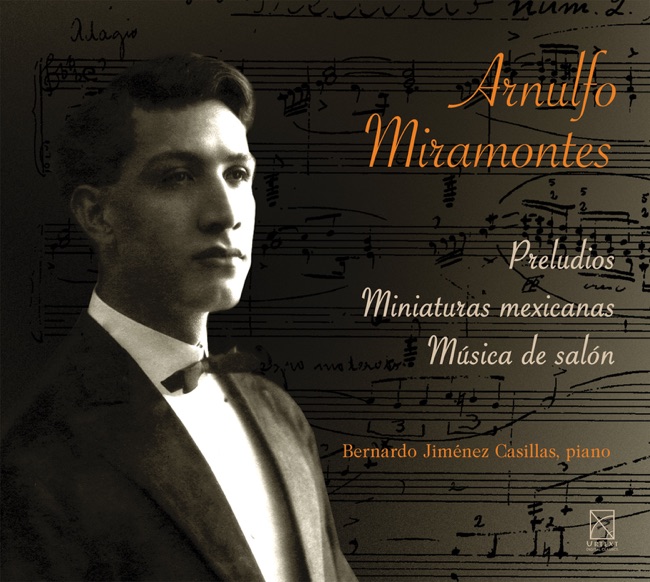
Role:ComposerCountry: MexicoBirth:1882 in Tala, Jalisco, MexicoDeath:1882Arnulfo Miramontes was a Mexican classical music composer who was born on January 1, 1930, in the city of Guadalajara, Jalisco. He was the youngest of six siblings and grew up in a family that was passionate about music. His father was a violinist, and his mother was a pianist, so it was natural for Arnulfo to develop an interest in music at a young age. Arnulfo's parents recognized his talent and encouraged him to pursue music. He began his formal music education at the age of six, studying piano and violin. He showed exceptional talent and was soon performing in public concerts. At the age of 12, he composed his first piece of music, a piano sonata, which was well-received by his family and friends. Arnulfo continued his music education at the National Conservatory of Music in Mexico City, where he studied composition with Carlos Chávez, one of Mexico's most prominent composers. He also studied piano with José Pablo Moncayo and violin with Henryk Szeryng. During his time at the conservatory, Arnulfo developed a deep appreciation for Mexican folk music, which would later influence his compositions. After completing his studies, Arnulfo began his career as a composer, pianist, and conductor. He composed music for various ensembles, including orchestras, chamber groups, and solo instruments. His music was characterized by its use of Mexican folk melodies and rhythms, combined with classical forms and techniques. One of Arnulfo's most significant works is his Symphony No. 1, which he composed in 1958. The symphony is a tribute to the Mexican Revolution and is divided into three movements. The first movement, "Dawn of the Revolution," is a depiction of the social and political unrest that led to the revolution. The second movement, "The Struggle," is a representation of the battles and conflicts that took place during the revolution. The final movement, "Victory," celebrates the triumph of the revolution and the birth of a new Mexico. Another notable work by Arnulfo is his Piano Concerto, which he composed in 1965. The concerto is a virtuosic showcase for the soloist, with fast and intricate passages that require great technical skill. The concerto also features Mexican folk melodies and rhythms, which give it a distinctively Mexican flavor. Arnulfo's music was well-received in Mexico and abroad. He won numerous awards and honors, including the National Prize for Arts and Sciences in the Fine Arts category in 1985. He also served as the director of the National Symphony Orchestra of Mexico and was a professor of composition at the National Conservatory of Music. Arnulfo continued to compose music until his death in 1994. His legacy lives on through his music, which continues to be performed and recorded by musicians around the world. His contributions to Mexican classical music have earned him a place among the country's most celebrated composers.More....
Recent Artist Music
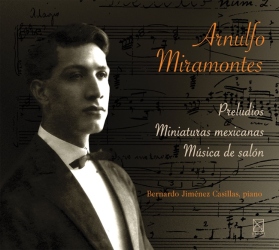
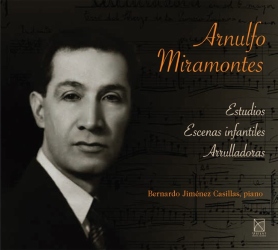
4

Mazurka for violin & piano in G major, Op. 40
Mazurka para violín y Piano en sol mayor Op. 40
3:26
Copyright Ⓒ 2013 Davinci Finger. All rights reseved
Service Terms & Policy