


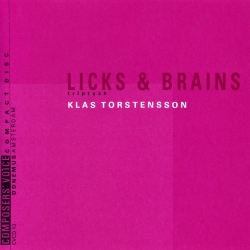
Klas Torstennsson
Released Album
Miscellaneous
-
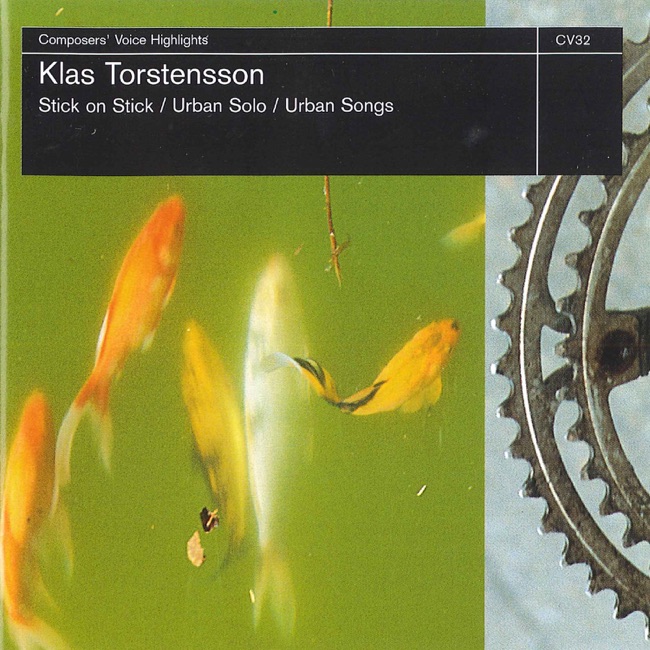 December 1, 1995
Chamber
-
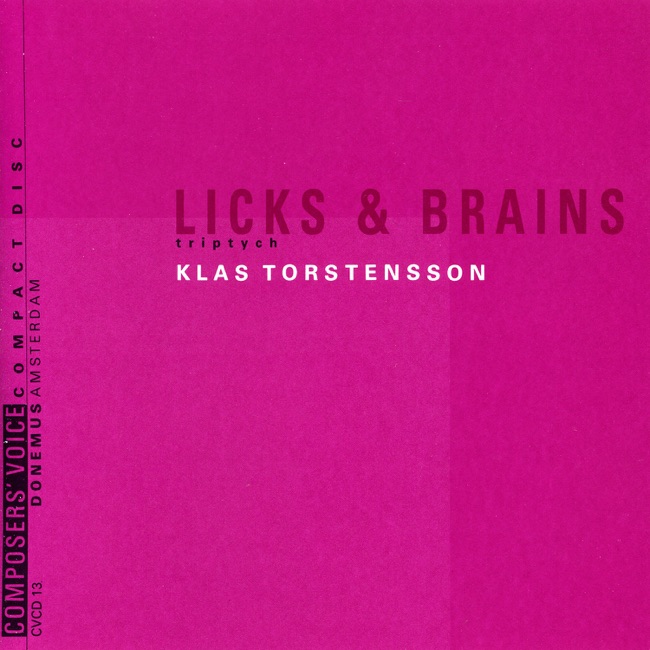 February 22, 2007
Artist Info
Role:Composer ConductorCountry: SwedenBirth:January 16, 1951 in SwedenPeriod:ContemporaryModernGenre:ChamberOrchestralVocalKlas Torstensson is a Swedish composer who was born on May 14, 1951, in Nässjö, Sweden. He grew up in a musical family, with his father being a church organist and his mother a choir singer. Torstensson started playing the piano at a young age and later learned to play the guitar and the trumpet. He studied music at the Royal College of Music in Stockholm, where he received his diploma in composition in 1977. Torstensson's early works were influenced by the avant-garde movement, and he was associated with the "New Simplicity" movement in the 1980s. His music is characterized by a blend of tonal and atonal elements, and he often incorporates electronic sounds into his compositions. One of Torstensson's early works is his "String Quartet No. 1" (1976), which was written while he was still a student. The piece is a study in texture and timbre, with the four instruments playing independent lines that gradually come together to form a cohesive whole. In the 1980s, Torstensson began to incorporate more tonal elements into his music, as can be heard in his "Saxophone Concerto" (1984). The piece features a solo saxophone accompanied by a string orchestra, and it is characterized by its lyrical melodies and lush harmonies. Another notable work from this period is Torstensson's "Järnklangen" (1986), which translates to "Iron Sound" in English. The piece is scored for a large ensemble of brass, percussion, and electric guitar, and it features a driving rhythm and a powerful, industrial sound. In the 1990s, Torstensson began to experiment with electronic sounds, as can be heard in his "Anagram" (1991). The piece is scored for a chamber ensemble and a computer-generated sound track, and it explores the relationship between live and electronic sounds. One of Torstensson's most well-known works is his "Aphorisms" (1993), which is a set of short pieces for solo piano. The pieces are characterized by their brevity and their use of tonal and atonal elements. In the 2000s, Torstensson continued to explore new sounds and techniques, as can be heard in his "The Expedition" (2003). The piece is scored for a large ensemble of winds, brass, and percussion, and it features a complex rhythmic structure and a wide range of timbres. Another notable work from this period is Torstensson's "Pulse" (2006), which is scored for a chamber ensemble and a computer-generated sound track. The piece explores the relationship between live and electronic sounds, and it features a driving rhythm and a pulsing, electronic sound. Torstensson's most recent works include his "Serenade" (2012), which is scored for a chamber ensemble and features a lyrical, melodic style, and his "The Bell" (2015), which is scored for a large ensemble and explores the relationship between sound and silence. Throughout his career, Torstensson has received numerous awards and honors, including the Swedish Society of Composers' Christ Johnson Prize in 1984 and the Royal Swedish Academy of Music's Rosenberg Prize in 1993. He has also been commissioned by a number of prominent ensembles and organizations, including the BBC Symphony Orchestra, the Stockholm Philharmonic Orchestra, and the Kronos Quartet. In addition to his work as a composer, Torstensson has also been active as a teacher and a conductor. He has taught at the Royal College of Music in Stockholm and at the University of California, San Diego, and he has conducted a number of his own works as well as those of other composers.More....
Copyright Ⓒ 2013 Davinci Finger. All rights reseved
Service Terms & Policy