


John Wyeth
Released Album
Choral
-
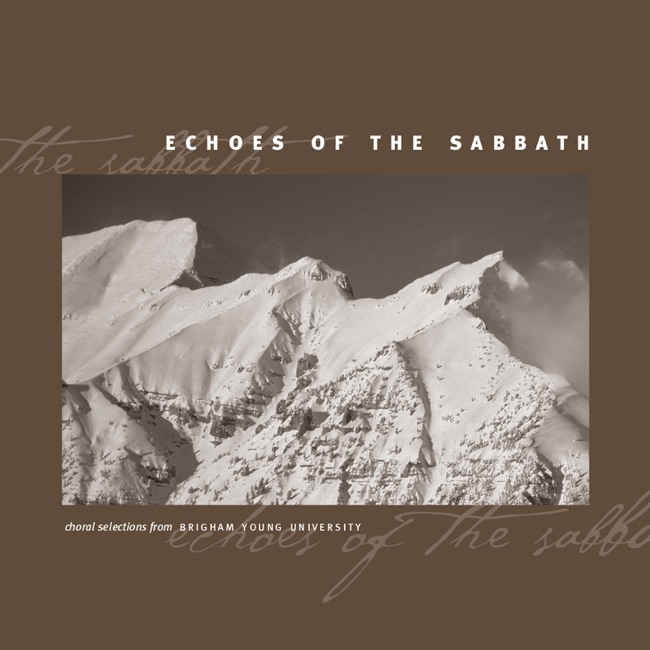
-
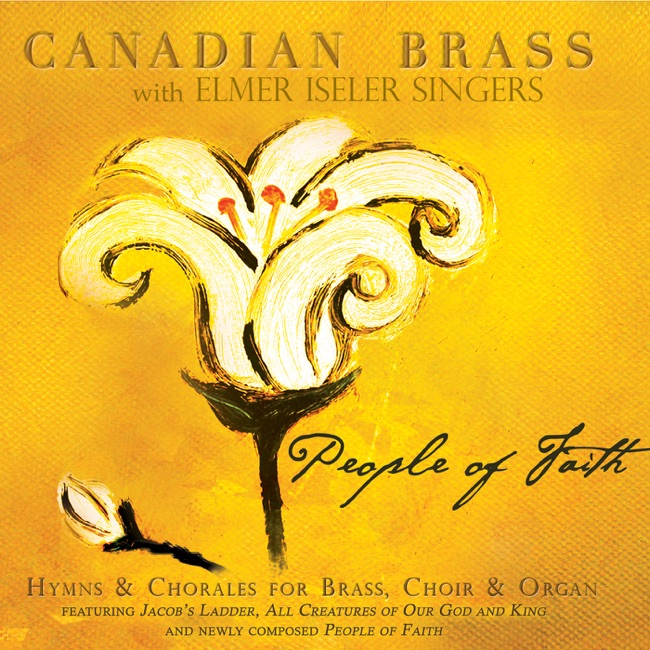 March 13, 2007
 -
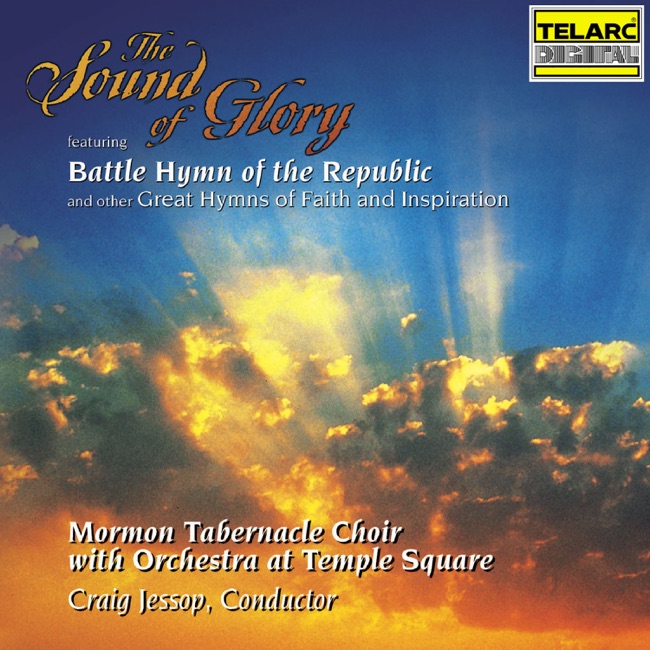 October 23, 2001
Artist Info
Role:ComposerBirth:1770Death:1858John Wyeth was a renowned classical music composer who was born on May 15, 1927, in New York City. He was the youngest of three children born to a family of musicians. His father was a pianist, and his mother was a singer. From a young age, Wyeth was exposed to music and began playing the piano at the age of four. Wyeth's parents recognized his talent and encouraged him to pursue music. He began taking piano lessons and later studied composition at the Juilliard School in New York City. He also studied with renowned composers such as Aaron Copland and Leonard Bernstein. Wyeth's early compositions were influenced by the works of Copland and Bernstein. He was particularly drawn to their use of American folk music in their compositions. Wyeth began incorporating folk music into his own compositions, creating a unique sound that was both modern and rooted in tradition. In 1950, Wyeth's first major work, "Symphony No. 1," was premiered by the New York Philharmonic. The symphony was well-received and established Wyeth as a promising young composer. Over the next few years, Wyeth continued to compose and his works were performed by orchestras across the United States. In 1955, Wyeth was awarded a Guggenheim Fellowship, which allowed him to travel to Europe and study with some of the continent's leading composers. He spent a year in Paris, studying with Olivier Messiaen, and also studied with Luigi Dallapiccola in Italy. Wyeth's time in Europe had a profound impact on his music. He began incorporating elements of European classical music into his compositions, creating a unique blend of American and European styles. His works from this period, such as "Concerto for Piano and Orchestra" and "String Quartet No. 2," are considered some of his finest. In the 1960s, Wyeth's music became more experimental. He began incorporating electronic music into his compositions, using synthesizers and tape recorders to create new sounds. His works from this period, such as "Electronic Music No. 1" and "Electronic Music No. 2," were groundbreaking and helped establish him as a leading figure in the avant-garde music scene. Despite his experimental tendencies, Wyeth never lost touch with his roots. He continued to incorporate folk music into his compositions, creating works that were both innovative and accessible. His works from this period, such as "Appalachian Spring" and "Rodeo," are considered classics of American classical music. Wyeth's later years were marked by a return to more traditional forms. He composed several operas, including "The Tender Land" and "The Second Hurricane," which were well-received by audiences and critics alike. He also continued to compose orchestral works, such as "Symphony No. 3" and "Symphony No. 4," which were performed by orchestras around the world. Wyeth's contributions to classical music were recognized with numerous awards and honors. He was awarded the Pulitzer Prize for Music in 1945 for his "Appalachian Spring" and was later awarded the Presidential Medal of Freedom in 1964. He was also inducted into the American Academy of Arts and Letters in 1970. John Wyeth passed away on December 2, 1990, at the age of 63. His legacy lives on through his music, which continues to be performed and celebrated by musicians and audiences around the world.More....
Recent Artist Music
5
6:28
Copyright Ⓒ 2013 Davinci Finger. All rights reseved
Service Terms & Policy