


Hilding Hallnäs
Released Album
Chamber
-
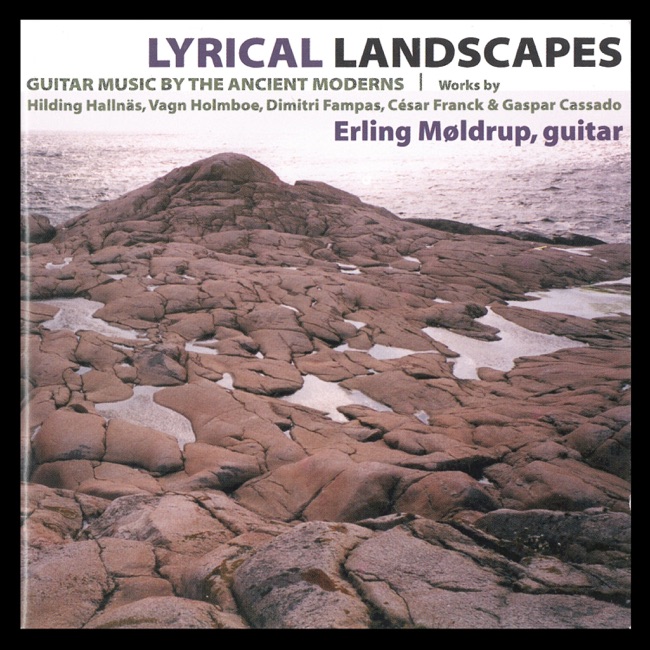 October 31, 2006
 -
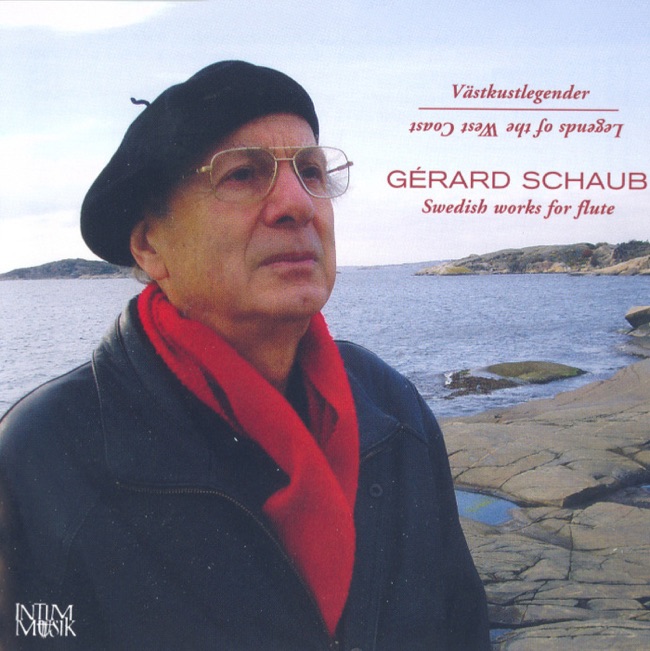 September 27, 2005
Keyboard
-
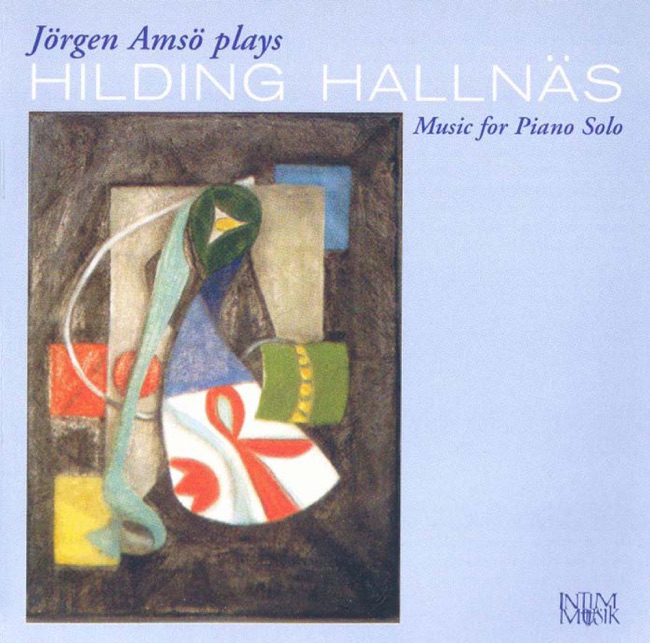 February 22, 2005
Artist Info
Role:ComposerCountry: SwedenBirth:May 24, 1903Death:September 11, 1984Period:ModernGenre:ChamberHilding Hallnäs was a Swedish composer who was born on November 13, 1903, in the town of Västerås. He was the son of a music teacher and grew up in a musical family. His father was a violinist and his mother was a pianist, and they both encouraged their son's interest in music from an early age. Hallnäs began his formal music education at the age of 14 when he enrolled at the Stockholm Conservatory. He studied composition with Ernst Ellberg and piano with Gottfrid Boon. After completing his studies, he worked as a music teacher and a church organist in various towns in Sweden. In 1930, Hallnäs won a scholarship to study in Paris, where he studied composition with Nadia Boulanger. He also attended the Ecole Normale de Musique, where he studied piano with Alfred Cortot. During his time in Paris, Hallnäs was exposed to the works of many contemporary composers, including Stravinsky, Ravel, and Debussy, which had a significant influence on his own compositions. Hallnäs returned to Sweden in 1932 and began working as a freelance composer. He quickly established himself as one of the leading composers of his generation, and his works were performed by many of the leading orchestras and ensembles in Sweden and abroad. One of Hallnäs's most significant works is his Symphony No. 1, which he composed in 1936. The symphony is a large-scale work that showcases Hallnäs's mastery of orchestration and his ability to create complex and intricate musical textures. The work was well-received by critics and established Hallnäs as one of the leading symphonic composers of his time. In addition to his symphonic works, Hallnäs also composed a significant amount of chamber music. One of his most famous chamber works is his String Quartet No. 2, which he composed in 1945. The quartet is a highly expressive work that showcases Hallnäs's ability to create rich and complex harmonies. Hallnäs was also a prolific composer of vocal music. He composed several operas, including "The Blacksmith's Daughter" and "The King's Ring," which were both well-received by audiences and critics alike. He also composed several choral works, including "The Song of the Earth," which is considered one of his most significant vocal works. Throughout his career, Hallnäs was recognized for his contributions to Swedish music. He was awarded the Royal Swedish Academy of Music's Gold Medal in 1963, and in 1973, he was awarded the Litteris et Artibus medal by the Swedish government for his contributions to the arts. Hallnäs continued to compose until his death in 1984. His works continue to be performed and recorded by orchestras and ensembles around the world, and he is considered one of the most significant Swedish composers of the 20th century.More....

Copyright Ⓒ 2013 Davinci Finger. All rights reseved
Service Terms & Policy