


David Nisbet Stewart
Released Album
Chamber
-
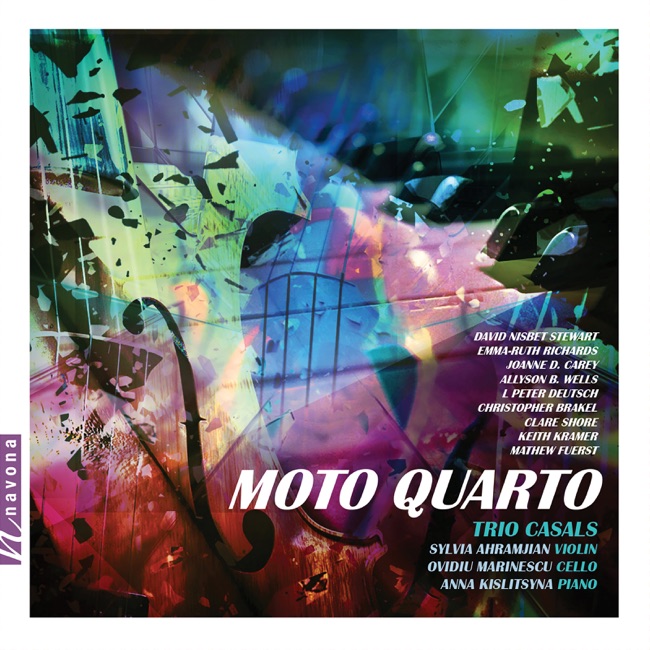 July 12, 2019
 -
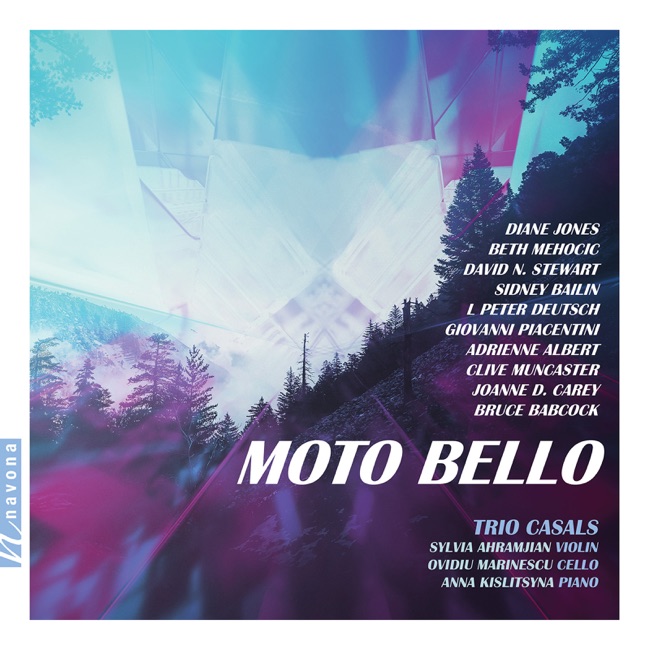 May 11, 2018
 -
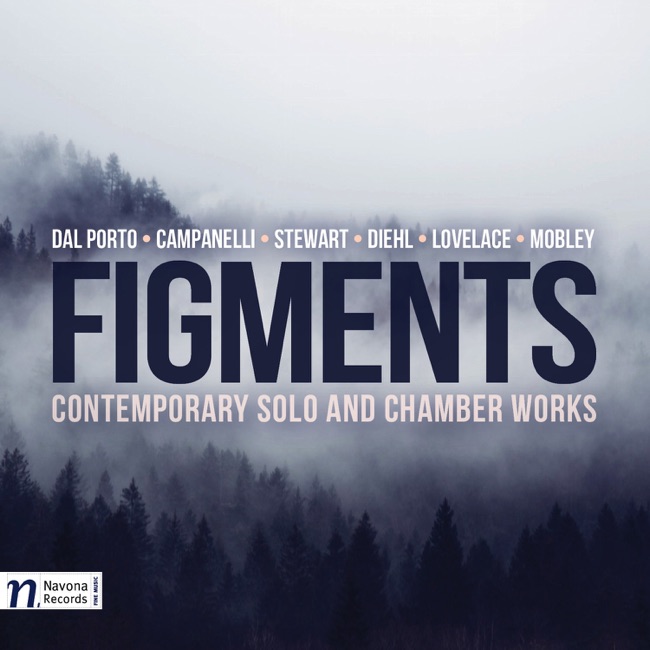 February 12, 2016
 -
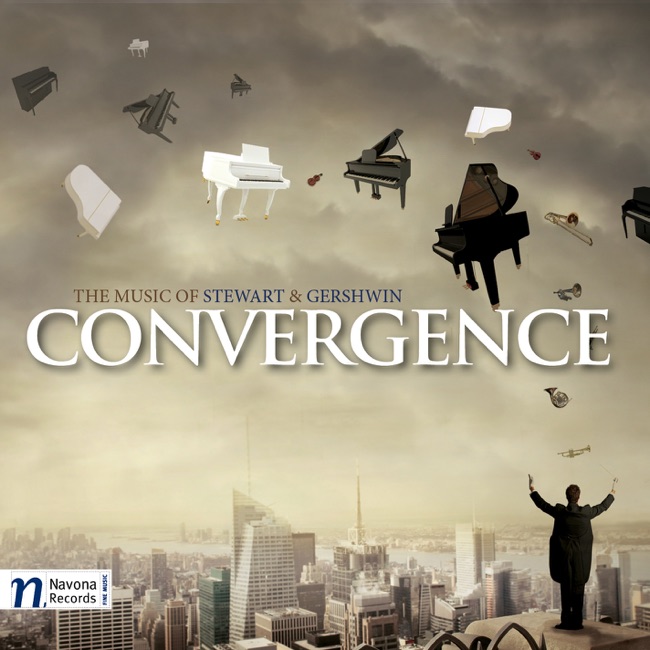 November 6, 2012
Artist Info
Role:ComposerDavid Nisbet Stewart was a Scottish composer who was born on August 29, 1854, in Edinburgh, Scotland. He was the son of a wealthy merchant, and his family was well-known in the city. From a young age, Stewart showed a great interest in music, and he began taking piano lessons when he was just six years old. Stewart's musical talent was evident from an early age, and he quickly became a skilled pianist. He also showed an interest in composition, and he began writing his own music when he was just a teenager. Despite his musical abilities, Stewart's family did not initially support his desire to pursue a career in music. They wanted him to follow in his father's footsteps and become a merchant. Despite his family's objections, Stewart continued to pursue his passion for music. He studied at the Royal Academy of Music in London, where he was a student of Sir Arthur Sullivan. He also studied in Leipzig, Germany, where he was influenced by the works of Richard Wagner. Stewart's early compositions were heavily influenced by Wagner's music, and he was known for his use of chromaticism and complex harmonies. His early works include the opera "The Bride of Dionysus," which was premiered in 1888, and the symphonic poem "The Wanderer," which was premiered in 1890. Stewart's music was well-received by critics and audiences alike, and he quickly gained a reputation as one of Scotland's most promising young composers. In 1891, he was appointed as the conductor of the Scottish Orchestra, a position he held for several years. Stewart's most famous work is his "Scottish Rhapsody," which was premiered in 1899. The piece is a tribute to Scotland's rich musical heritage, and it incorporates traditional Scottish folk melodies into a symphonic setting. The "Scottish Rhapsody" was an instant success, and it remains one of Stewart's most popular works to this day. In addition to his orchestral works, Stewart also composed a number of chamber music pieces, including string quartets and piano trios. His chamber music is characterized by its lyrical melodies and intricate harmonies. Stewart's later works show a departure from his earlier Wagnerian influences, and he began to incorporate more traditional Scottish folk music into his compositions. His "Scottish Dances," which were composed in the early 1900s, are a prime example of this shift in style. Despite his success as a composer, Stewart's personal life was marked by tragedy. His wife died in 1903, and he was left to raise their two young children on his own. He also suffered from poor health in his later years, and he died on March 2, 1906, at the age of 51. Despite his relatively short career, David Nisbet Stewart left a lasting legacy in the world of classical music. His music continues to be performed and admired by musicians and audiences around the world, and his contributions to Scottish music are still celebrated today.More....
Recent Artist Music

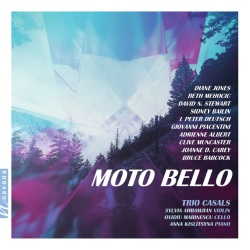
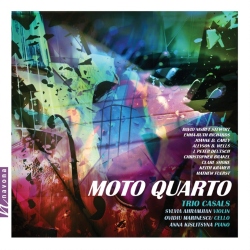

Copyright Ⓒ 2013 Davinci Finger. All rights reseved
Service Terms & Policy