


Dana Suesse
Released Album
Keyboard
-
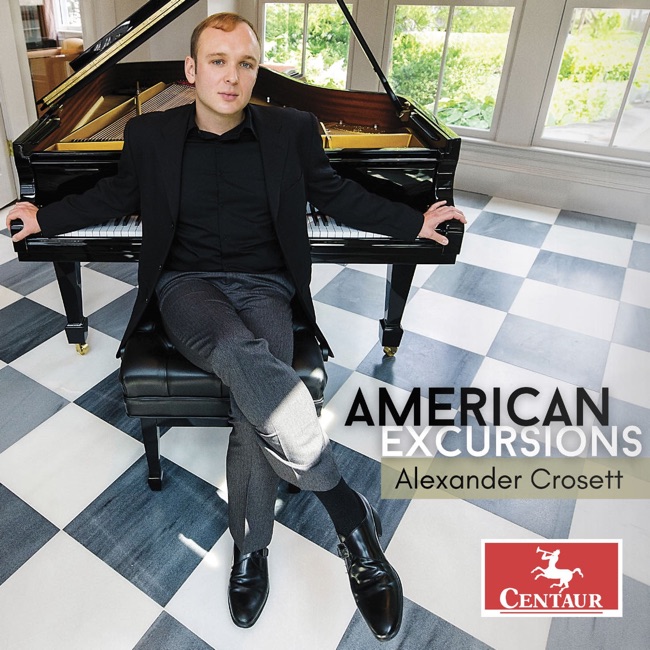 May 2, 2025
 -
 July 6, 2018
 -
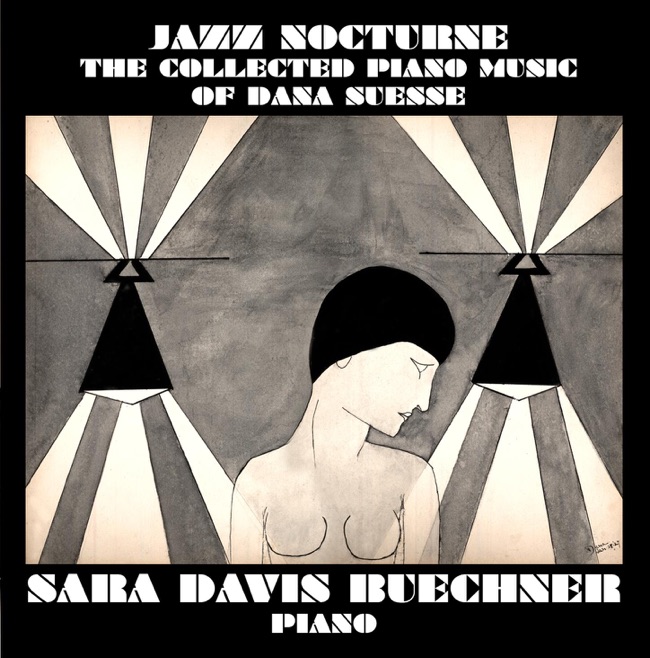 October 27, 2009
Vocal
-
 August 27, 2013
 -
 July 14, 2009
 -
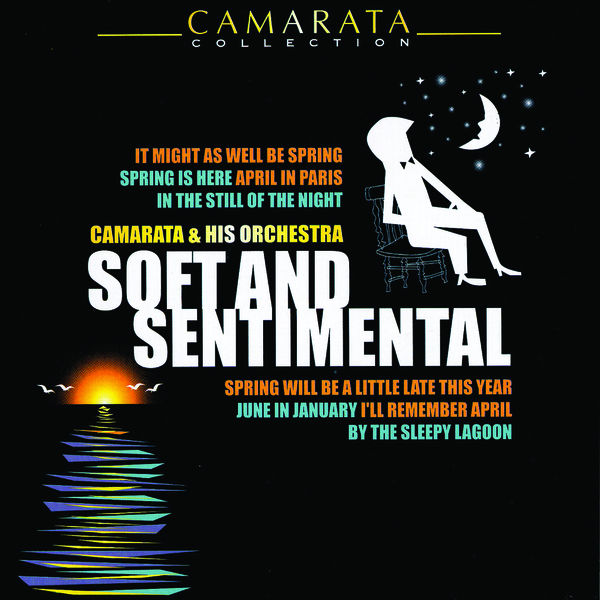 May 12, 2003
Concerto
-
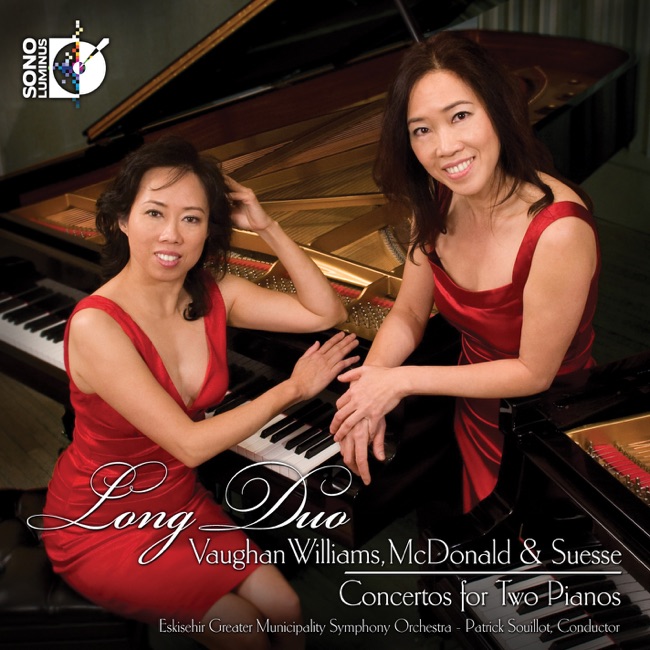 March 29, 2011
 -
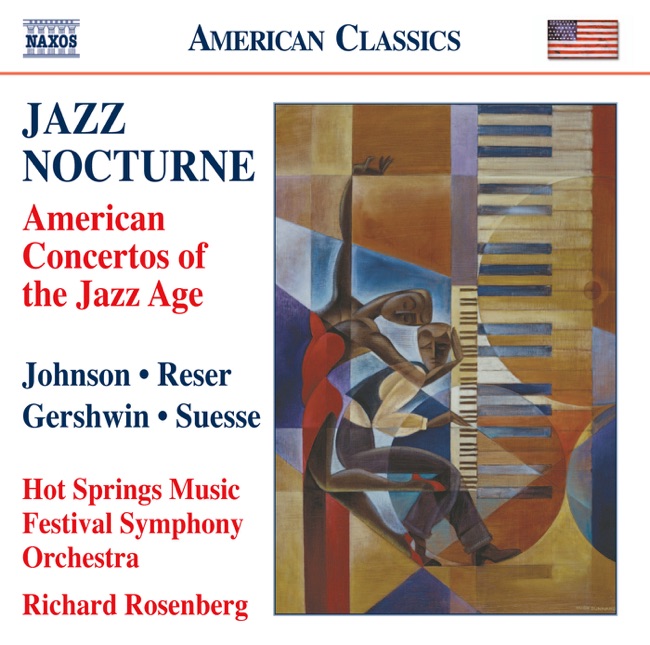 February 28, 2011
Artist Info
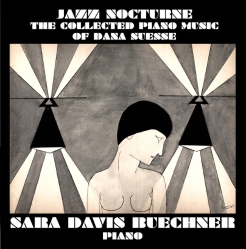
Role:ComposerCountry: United States of AmericaBirth:December 3, 1909 in Kansas City, MODeath:October 16, 1987 in New YorkPeriod:ModernGenre:ConcertoVocalDana Suesse was an American composer and pianist who was born on December 1, 1909, in Kansas City, Missouri. She was the youngest of three children and showed an early interest in music. Her father, a lawyer, was also a talented amateur musician who played the violin and piano. He encouraged his daughter's musical pursuits and arranged for her to take piano lessons with local teachers. Suesse's talent was evident from an early age, and she began composing her own music when she was just six years old. She was also a gifted pianist and gave her first public performance at the age of eight. Her family moved to New York City when she was a teenager, and she continued her musical studies there. In 1926, Suesse entered the Juilliard School of Music, where she studied composition with Joseph Schillinger. Schillinger was a Russian composer and music theorist who had developed a system of composition based on mathematical principles. Suesse was one of his most talented students, and she quickly mastered his techniques. While at Juilliard, Suesse also studied piano with Rosalyn Tureck, who was one of the leading interpreters of Bach's keyboard music. Tureck was a demanding teacher, but Suesse thrived under her tutelage. She also studied orchestration with Aaron Copland, who was one of the most influential American composers of the 20th century. Suesse's early compositions were influenced by the jazz music that was popular in the 1920s. She was particularly drawn to the music of George Gershwin, who was one of the most successful composers of the era. Suesse's first published composition, "Jazz Nocturne," was written in 1929 and became an instant hit. The piece was recorded by several popular jazz bands, including the Paul Whiteman Orchestra. Suesse's success as a composer continued throughout the 1930s. She wrote a number of popular songs, including "My Silent Love," which was recorded by Bing Crosby and became a hit in 1932. She also wrote music for several Broadway shows, including "The Laugh Parade" and "The Greenwich Village Follies." In 1936, Suesse was commissioned to write a piano concerto for the New York Philharmonic. The concerto, which was titled "American Rhapsody," was a huge success and established Suesse as one of the leading composers of her generation. The piece was later recorded by the pianist José Iturbi and became one of Suesse's most popular works. Suesse continued to write music throughout the 1940s and 1950s, but her output slowed down as she focused more on her career as a pianist. She performed regularly in New York City and was known for her virtuosic playing and her ability to interpret a wide range of musical styles. Suesse's music fell out of favor in the 1960s and 1970s, as the classical music world became more focused on atonal and experimental music. However, her music has experienced a revival in recent years, as musicians and audiences have rediscovered the beauty and charm of her compositions. Today, Suesse is remembered as one of the most talented and versatile composers of her generation. Her music is characterized by its melodic beauty, its rhythmic vitality, and its sophisticated harmonies. She was a true original who combined the best elements of classical music and jazz to create a unique and unforgettable sound.More....
Recent Artist Music
Copyright Ⓒ 2013 Davinci Finger. All rights reseved
Service Terms & Policy