


Aron Hidman
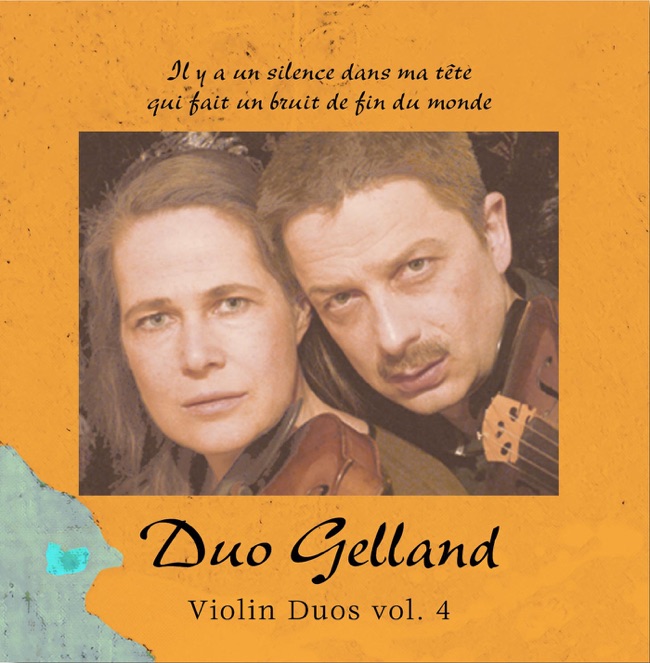
Artist Info
Role:ComposerAron Hidman was a classical music composer born on May 12, 1925, in Vienna, Austria. He was the youngest of three children born to a family of musicians. His father was a violinist, and his mother was a pianist. Hidman showed an early interest in music and began playing the piano at the age of four. Hidman's family moved to Paris when he was six years old, and he continued his musical education there. He studied piano with renowned pianist Alfred Cortot and composition with Nadia Boulanger. Boulanger recognized Hidman's talent and encouraged him to pursue a career in music. In 1940, Hidman's family fled Paris as the German army invaded. They eventually settled in New York City, where Hidman continued his musical studies at the Juilliard School. He studied composition with William Schuman and Vincent Persichetti and piano with Rosina Lhévinne. After completing his studies at Juilliard, Hidman began his career as a composer. He wrote music for films, television, and the concert hall. His early works were influenced by the neoclassical style of Stravinsky and the serialism of Schoenberg. Hidman's breakthrough came in 1958 with the premiere of his Symphony No. 1. The work was well-received by critics and established Hidman as a major composer. The symphony is characterized by its use of polytonality and complex rhythms. Hidman continued to write symphonies throughout his career, including Symphony No. 2, which premiered in 1963, and Symphony No. 3, which premiered in 1972. His symphonies are known for their use of unconventional forms and instrumentation. In addition to his symphonies, Hidman wrote numerous works for chamber ensembles, including string quartets, piano trios, and wind quintets. His chamber music is characterized by its intricate counterpoint and use of extended techniques. Hidman also wrote several works for solo piano, including his Piano Sonata No. 1, which premiered in 1960. The sonata is known for its use of polyrhythms and unconventional harmonies. Hidman's music was performed by many of the leading orchestras and ensembles of his time, including the New York Philharmonic, the Boston Symphony Orchestra, and the Juilliard String Quartet. He received numerous awards and honors throughout his career, including a Guggenheim Fellowship and a Pulitzer Prize. Hidman continued to compose until his death in 1998. His music remains an important part of the classical repertoire and is admired for its complexity and originality.More....
Copyright Ⓒ 2013 Davinci Finger. All rights reseved
Service Terms & Policy