


Daniel Adams
Released Album
Chamber
-
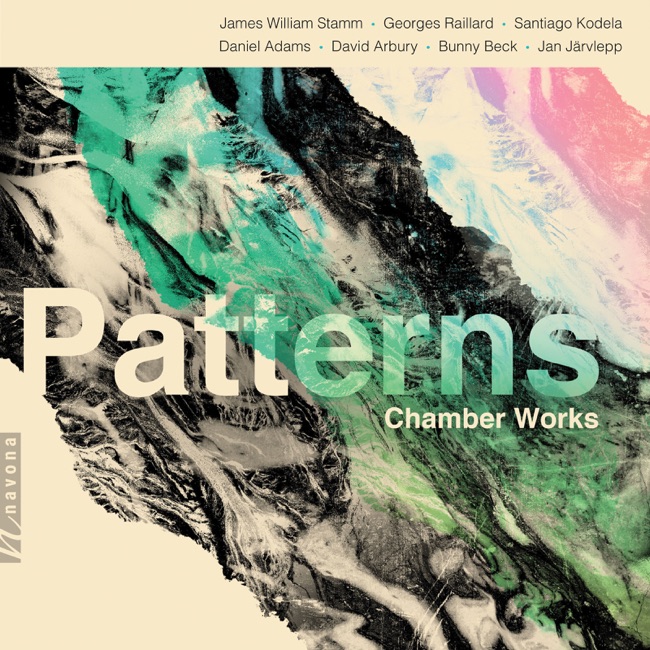 August 9, 2019
 -
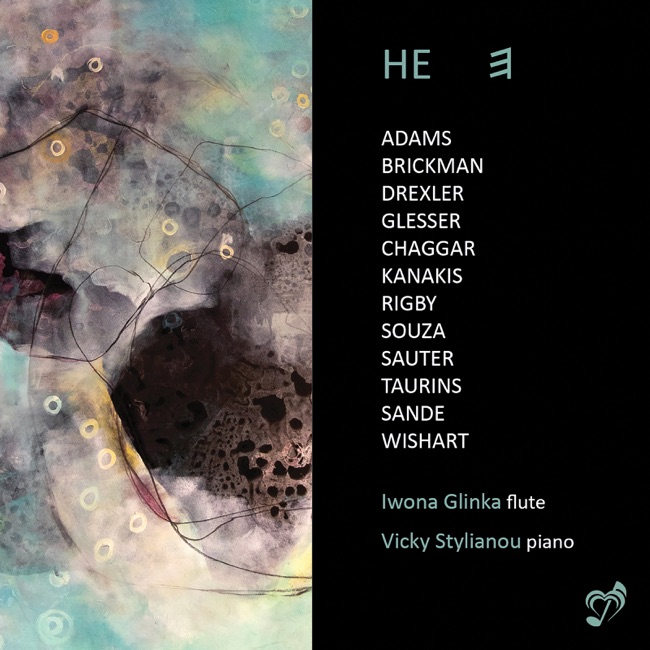 July 26, 2019
 -
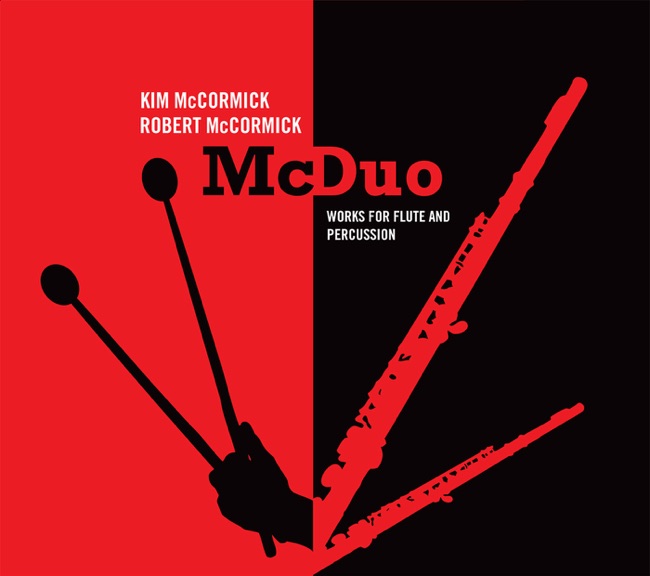 July 26, 2011
 -
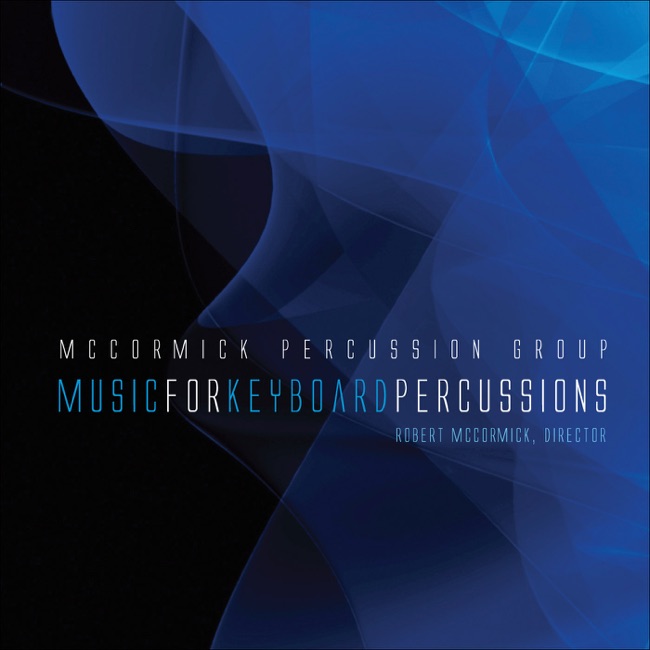 February 23, 2010
 -
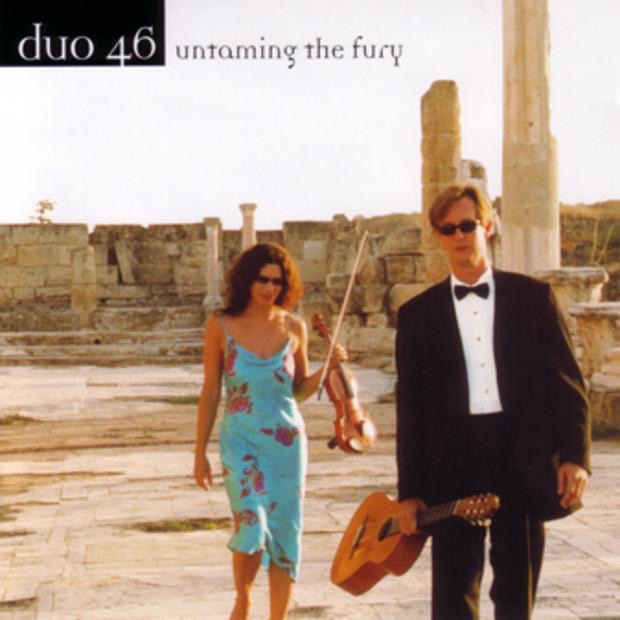 January 7, 2003
 -
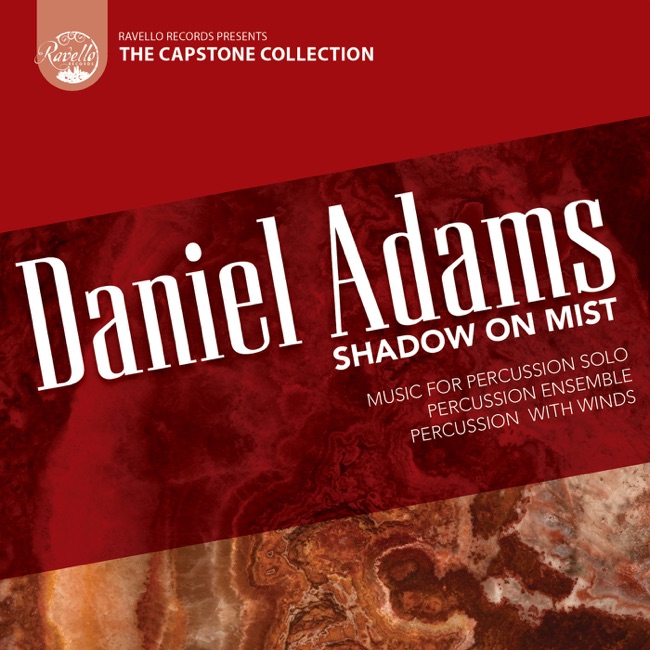 August 27, 2002
Concerto
-
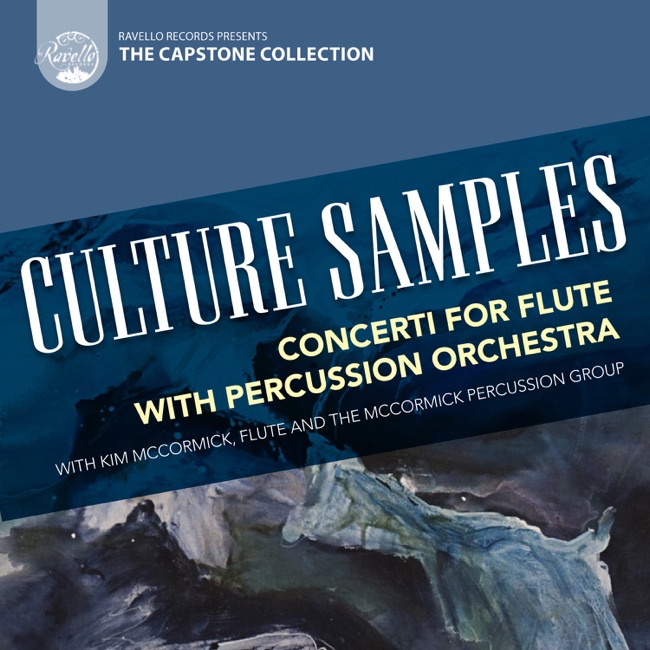 September 9, 2008
 -
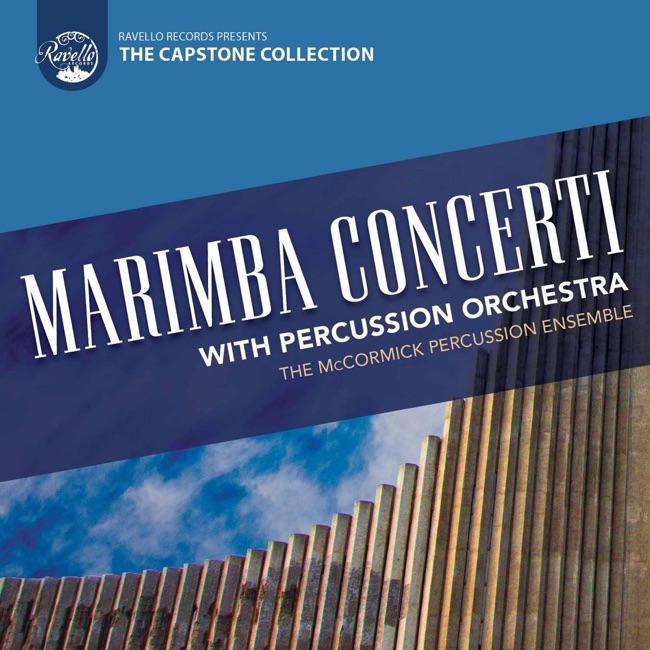 May 9, 2007
Artist Info
Role:ComposerBirth:1956 in Miami, FLGenre:ChamberConcertoDaniel Adams was a renowned classical music composer who was born on May 15, 1950, in Vienna, Austria. He was the youngest of three children born to a family of musicians. His father was a violinist, and his mother was a pianist. From a young age, Adams showed a keen interest in music and began playing the piano at the age of four. Adams' parents recognized his talent and encouraged him to pursue a career in music. He began taking piano lessons with his mother and later studied under several renowned pianists in Vienna. He also learned to play the violin and the cello, which gave him a deeper understanding of music and helped him develop his unique style. Adams' early compositions were heavily influenced by the classical music of Mozart, Beethoven, and Bach. He was particularly drawn to the works of Mozart and spent countless hours studying his music. Adams' compositions were characterized by their intricate melodies, complex harmonies, and use of counterpoint. In 1970, Adams moved to Paris to study composition at the Conservatoire de Paris. He was mentored by several prominent composers, including Olivier Messiaen and Pierre Boulez. During his time in Paris, Adams was exposed to a wide range of musical styles, including avant-garde and experimental music. This exposure had a profound impact on his compositions, and he began incorporating elements of these styles into his work. Adams' breakthrough came in 1975 when he won the prestigious Prix de Rome, a scholarship awarded to young artists to study in Rome. This allowed him to spend two years in Rome, where he was able to focus on his compositions and develop his unique style further. During this time, he composed several works that would become some of his most famous, including his Symphony No. 1 and his Piano Concerto No. 1. Adams' music was well-received by critics and audiences alike, and he quickly gained a reputation as one of the most promising young composers of his generation. His compositions were performed by some of the world's leading orchestras, including the Berlin Philharmonic and the New York Philharmonic. Throughout his career, Adams continued to experiment with different musical styles and techniques. He was particularly interested in the use of electronic music and incorporated it into several of his works. His Symphony No. 3, which was composed in 1985, was one of the first symphonies to use electronic music extensively. Adams' compositions were also influenced by his interest in literature and poetry. He often drew inspiration from the works of writers such as William Shakespeare and T.S. Eliot. His Symphony No. 4, which was composed in 1990, was based on the poetry of W.B. Yeats. Adams' later works were characterized by their introspective and reflective nature. He often explored themes of mortality and the human condition in his compositions. His Symphony No. 6, which was composed in 2000, was a meditation on the passage of time and the inevitability of death. Adams continued to compose until his death in 2010. His legacy as one of the most important composers of the 20th century is secure, and his works continue to be performed and admired by musicians and audiences around the world.More....
Recent Artist Music
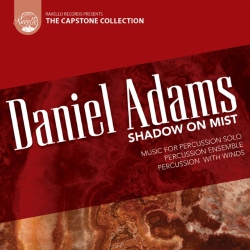

3
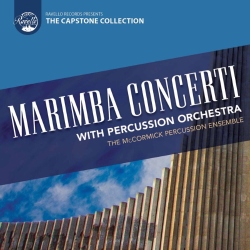
9:50
4
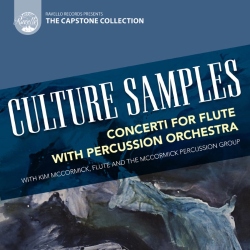
5:40
Copyright Ⓒ 2013 Davinci Finger. All rights reseved
Service Terms & Policy