


Ernst Leitner
Released Album
Chamber
-
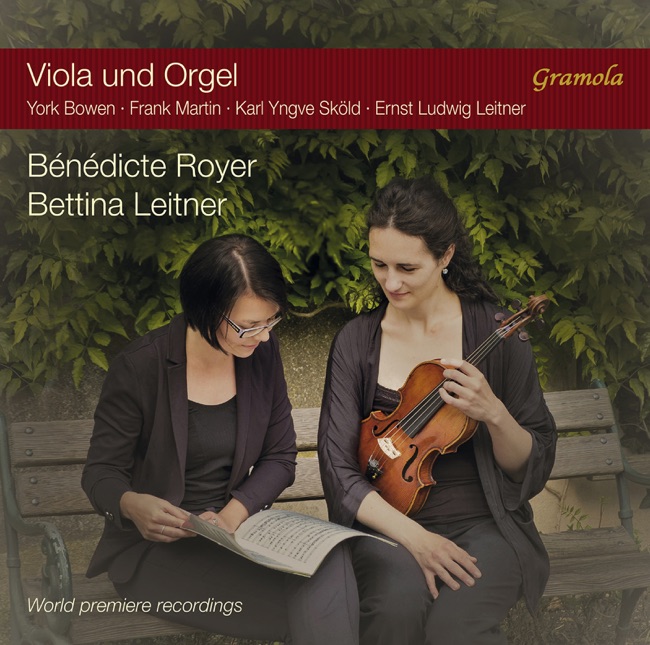 April 20, 2018
 -
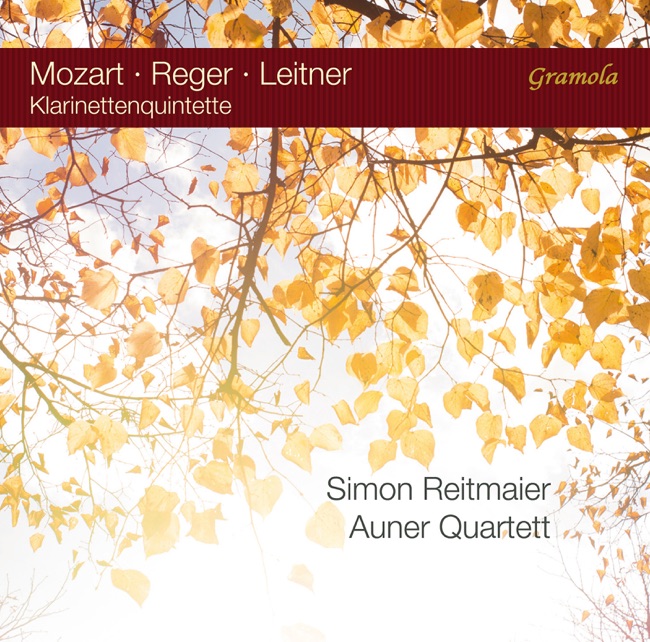 February 2, 2018
Artist Info
Role:ComposerErnst Leitner was a classical music composer born on January 12, 1923, in Vienna, Austria. He was the youngest of three children born to a family of musicians. His father was a violinist, and his mother was a pianist. From a young age, Leitner showed a keen interest in music and began playing the piano at the age of four. Leitner's parents recognized his talent and encouraged him to pursue a career in music. He began studying music theory and composition at the Vienna Conservatory at the age of 16. He studied under some of the most prominent composers of the time, including Arnold Schoenberg and Anton Webern. Leitner's early compositions were heavily influenced by the Second Viennese School, a group of composers who sought to break away from traditional tonality and explore new forms of expression. His early works were characterized by dissonant harmonies, complex rhythms, and unconventional forms. In 1943, Leitner was drafted into the German army and sent to fight on the Eastern Front. He was captured by Soviet forces in 1944 and spent the remainder of the war in a prisoner-of-war camp. During his captivity, Leitner continued to compose music, using whatever materials he could find. After the war, Leitner returned to Vienna and resumed his studies at the conservatory. He began to incorporate elements of folk music into his compositions, drawing inspiration from the traditional music of Austria and other European countries. Leitner's breakthrough came in 1952 when he won first prize in the International Rostrum of Composers for his String Quartet No. 1. The piece was praised for its innovative use of timbre and its emotional depth. It was performed by some of the world's leading string quartets and established Leitner as a major figure in contemporary classical music. Over the next few decades, Leitner continued to compose music in a variety of genres, including orchestral works, chamber music, and vocal music. His works were performed by leading orchestras and ensembles around the world, and he received numerous awards and honors for his contributions to music. One of Leitner's most famous works is his Symphony No. 2, which was premiered in 1967 by the Vienna Philharmonic Orchestra. The piece is notable for its use of unconventional instruments, including a glass harmonica and a musical saw. It is also characterized by its complex rhythms and harmonies, which reflect Leitner's interest in folk music. Another notable work by Leitner is his opera, The Tempest, which was premiered in 1972 at the Vienna State Opera. The opera is based on Shakespeare's play of the same name and features a libretto by the Austrian writer Ernst Marischka. The piece is notable for its use of electronic music and its innovative staging, which incorporates elements of dance and theater. Leitner's later works were characterized by a more accessible style, with a greater emphasis on melody and tonality. He continued to draw inspiration from folk music, incorporating elements of Austrian, Hungarian, and Balkan music into his compositions. Leitner died on December 12, 1993, in Vienna, Austria, at the age of 70. He left behind a legacy of innovative and emotionally powerful music that continues to inspire and challenge audiences today.More....
Recent Artist Music
1
6:50
Copyright Ⓒ 2013 Davinci Finger. All rights reseved
Service Terms & Policy