


Mikhail Timofeevich Vysotsky
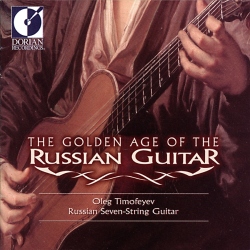
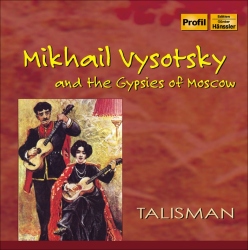
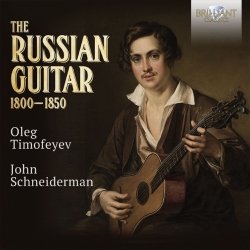
Released Album
Chamber
-
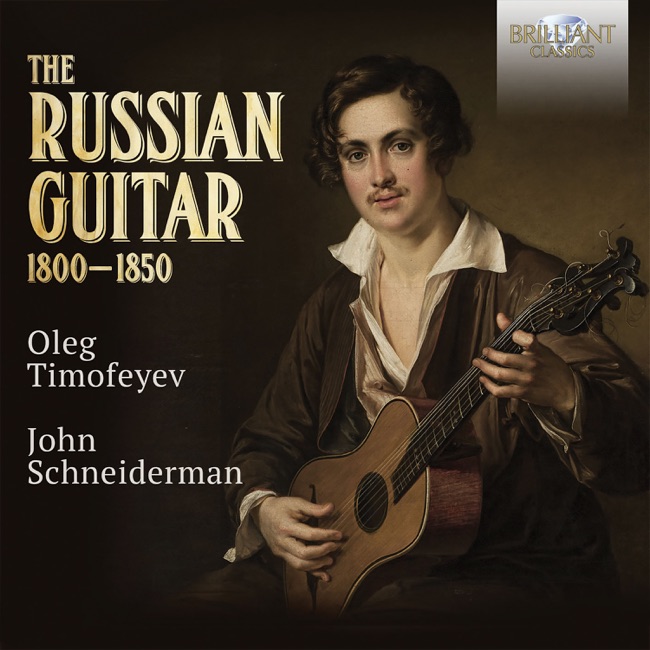 September 30, 2016
 -
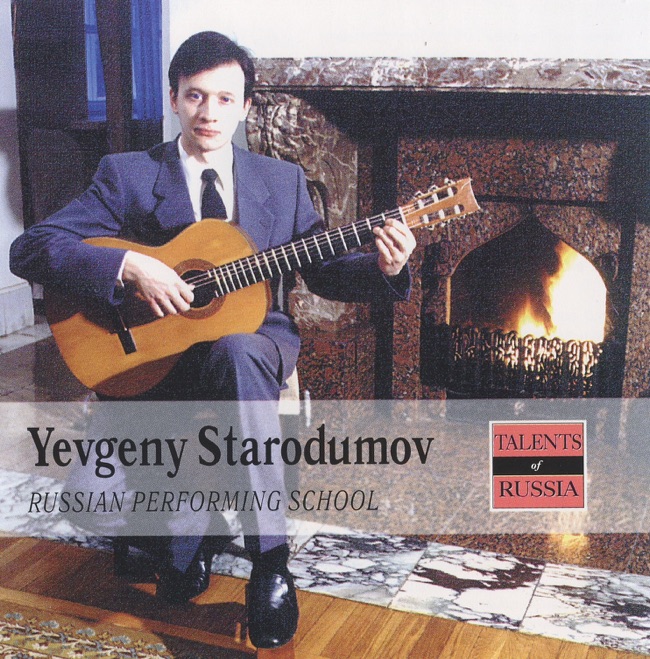 October 1, 2011
 -
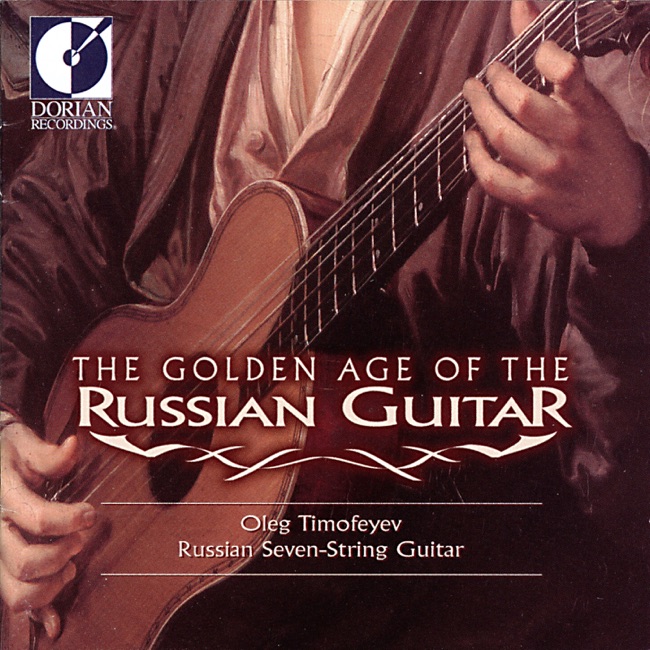 January 26, 1999
Artist Info
Role:ComposerBirth:1791Death:1837Genre:ChamberMikhail Timofeevich Vysotsky was a Russian composer who lived from 1895 to 1975. He was born in the city of Kazan, which is located in the Republic of Tatarstan in Russia. Vysotsky was born into a family of musicians, and his father was a conductor and composer. This early exposure to music had a profound impact on Vysotsky, and he began to study music at a young age. Vysotsky's musical education began at the Kazan Conservatory, where he studied composition with Nikolai Zhilyayev. After completing his studies at the conservatory, Vysotsky moved to Moscow to continue his education at the Moscow Conservatory. There, he studied composition with Nikolai Myaskovsky, who was one of the most prominent composers in Russia at the time. Vysotsky's early works were heavily influenced by the music of his father, as well as the Russian composers of the late 19th and early 20th centuries. His early works were characterized by their use of traditional Russian folk melodies and harmonies, as well as their use of orchestration to create rich and complex textures. One of Vysotsky's most famous works is his Symphony No. 1, which he composed in 1927. The symphony is a large-scale work that is characterized by its use of Russian folk melodies and its complex orchestration. The symphony was well-received by audiences and critics alike, and it helped to establish Vysotsky as one of the leading composers of his generation. In addition to his symphonies, Vysotsky also composed a number of chamber works, including string quartets and piano sonatas. These works were characterized by their use of intricate counterpoint and their exploration of complex harmonic structures. Vysotsky's music was heavily influenced by the political and social climate of his time. He lived through some of the most tumultuous periods in Russian history, including the Russian Revolution and World War II. His music often reflected the struggles and triumphs of the Russian people during these difficult times. Despite his success as a composer, Vysotsky faced a number of challenges throughout his career. He was often criticized by the Soviet authorities for his use of Western musical techniques and his exploration of complex harmonic structures. Despite these challenges, Vysotsky continued to compose music throughout his life, and his works remain an important part of the Russian classical music tradition. In conclusion, Mikhail Timofeevich Vysotsky was a Russian composer who made significant contributions to the classical music tradition. His works were characterized by their use of traditional Russian folk melodies and their exploration of complex harmonic structures. Despite facing challenges throughout his career, Vysotsky continued to compose music that reflected the struggles and triumphs of the Russian people. His legacy continues to inspire and influence composers around the world.More....
Copyright Ⓒ 2013 Davinci Finger. All rights reseved
Service Terms & Policy