


Willem Pijper
Released Album
Symphony
-
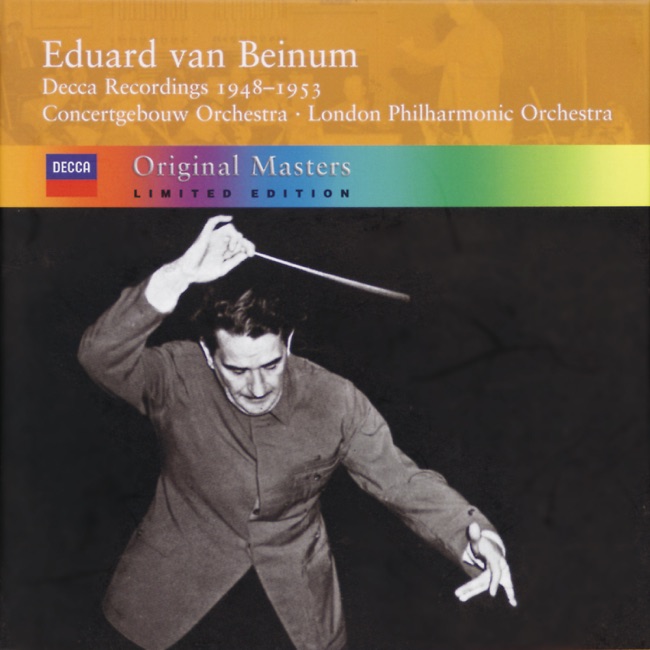 May 13, 2003
Chamber
-
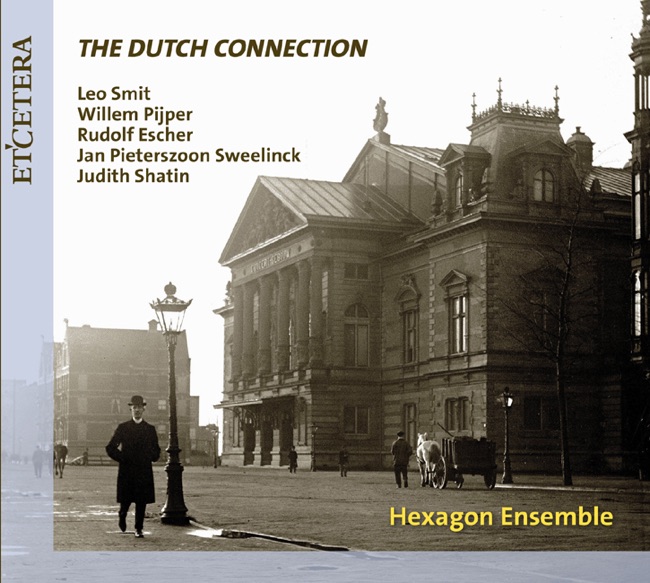 November 9, 2010
 -
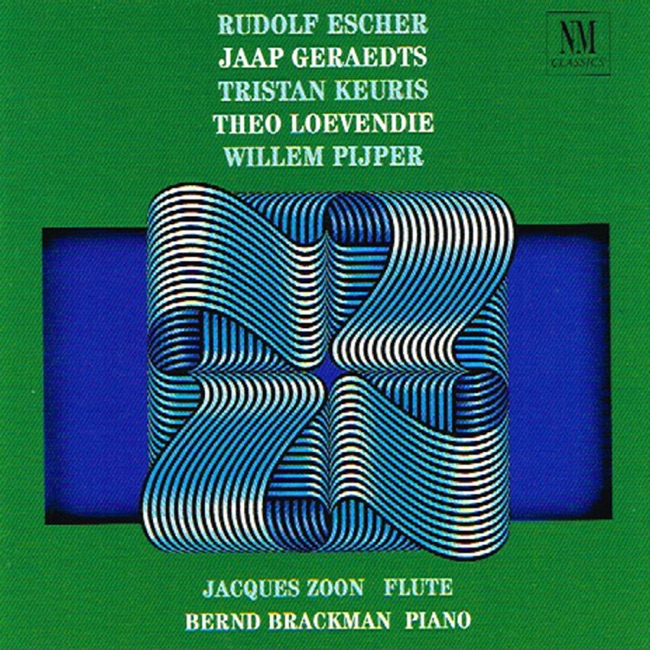 October 24, 2005
 -
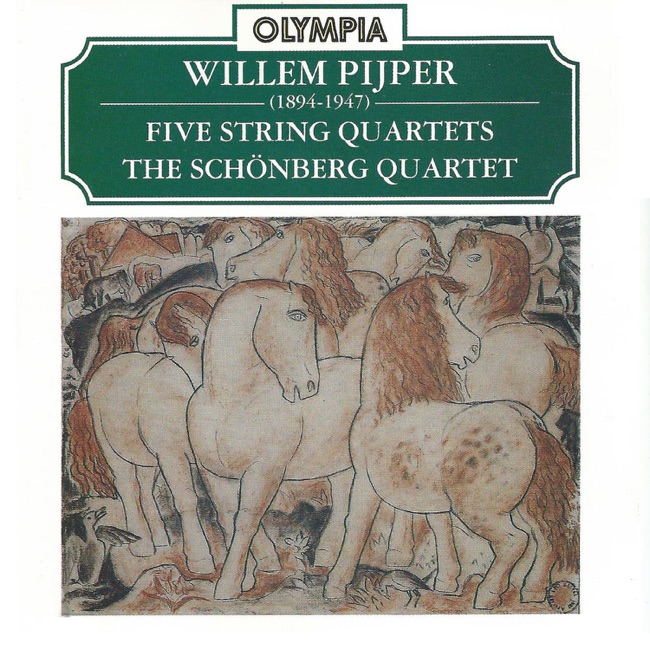 January 1, 1995
Orchestral
-
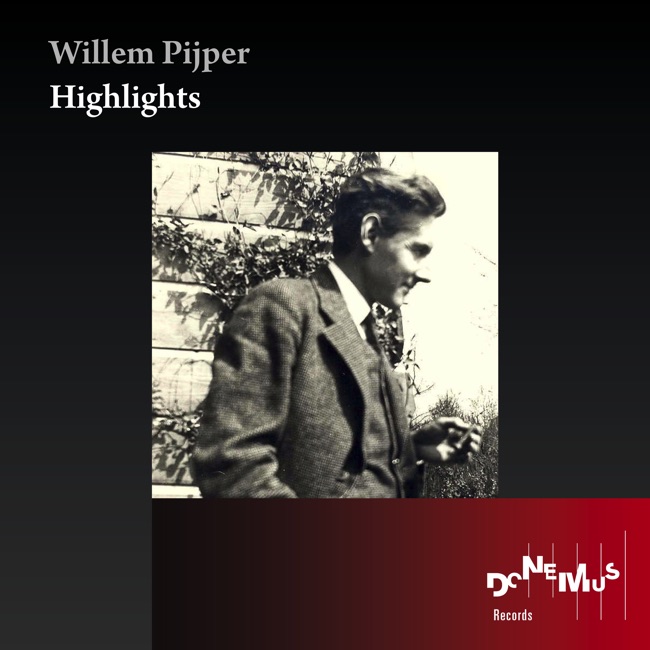 January 1, 2000
Artist Info
Role:ComposerCountry: NetherlandsBirth:September 8, 1894Death:March 18, 1947Period:ModernGenre:ChamberConcertoSymphonyWillem Pijper was a Dutch composer, music critic, and music theorist who was born on September 8, 1894, in Zeist, Netherlands. He was the son of a wealthy family and received a privileged upbringing. His father was a successful businessman who owned a paper mill, and his mother was a talented pianist who introduced him to music at an early age. Pijper began his musical education at the Utrecht Conservatory, where he studied piano, composition, and music theory. He was a gifted student and quickly gained recognition for his talent. In 1916, he won the prestigious Prix de Rome, a scholarship that allowed him to study in Rome for three years. During his time in Italy, Pijper was exposed to the works of the great Italian composers, such as Monteverdi, Vivaldi, and Scarlatti, which had a profound influence on his own compositions. Upon his return to the Netherlands in 1919, Pijper began working as a music critic for the newspaper De Telegraaf. He was a passionate advocate for modern music and championed the works of composers such as Stravinsky, Schoenberg, and Bartók. He also wrote several books on music theory, including his influential treatise on harmony, "Algemene Muziekleer" (General Music Theory), which was published in 1924. As a composer, Pijper was known for his innovative use of harmony and rhythm. His early works, such as the "Sonata for Piano" (1917) and the "String Quartet No. 1" (1918), were influenced by the neoclassical style of Stravinsky and the Second Viennese School. However, Pijper soon developed his own unique style, characterized by complex harmonies, irregular meters, and a sense of restless energy. One of Pijper's most famous works is his "Symphony No. 3" (1926), which was premiered by the Concertgebouw Orchestra under the direction of Willem Mengelberg. The symphony is a tour de force of modernist composition, with its intricate polyphony, dissonant harmonies, and unconventional use of orchestration. It was hailed as a masterpiece by critics and established Pijper as one of the leading composers of his generation. Pijper continued to compose throughout the 1930s and 1940s, despite the difficult political climate in Europe. He was a vocal opponent of the Nazi regime and refused to compromise his artistic integrity. However, his music was banned by the German occupiers during World War II, and he was forced to go into hiding to avoid arrest. After the war, Pijper resumed his career as a composer and music critic. He was appointed professor of composition at the Rotterdam Conservatory in 1946, where he taught until his retirement in 1960. He continued to compose until his death in 1947, leaving behind a legacy of innovative and influential works. In addition to his symphonies and chamber music, Pijper also composed several operas, including "Halewijn" (1929) and "Merlijn" (1935). These works were notable for their use of Dutch folk tales and legends, which Pijper adapted into modernist musical forms. Overall, Willem Pijper was a pioneering figure in Dutch music, whose innovative compositions and theoretical writings had a profound influence on the development of modernist music in the Netherlands and beyond. His legacy continues to inspire composers and musicians to this day.More....

Copyright Ⓒ 2013 Davinci Finger. All rights reseved
Service Terms & Policy