


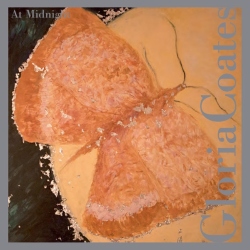
Gloria Coates
Released Album
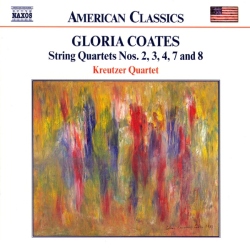
Chamber
-
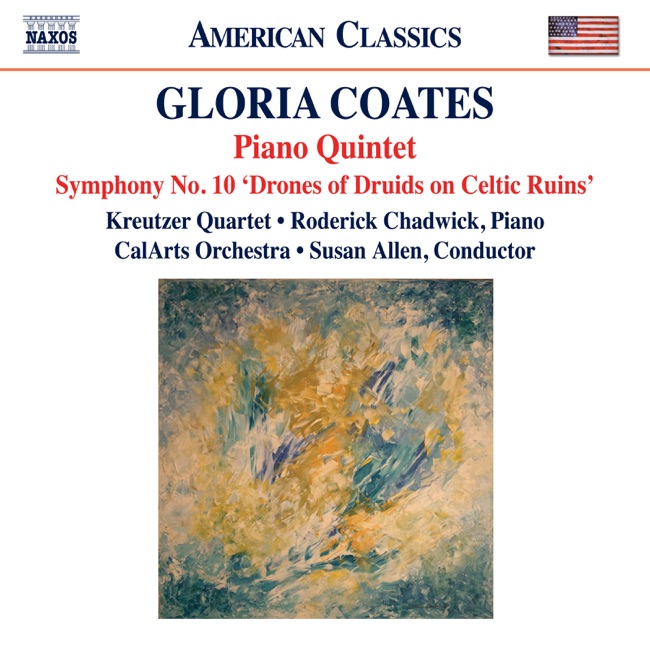
-
 April 6, 2015
 -
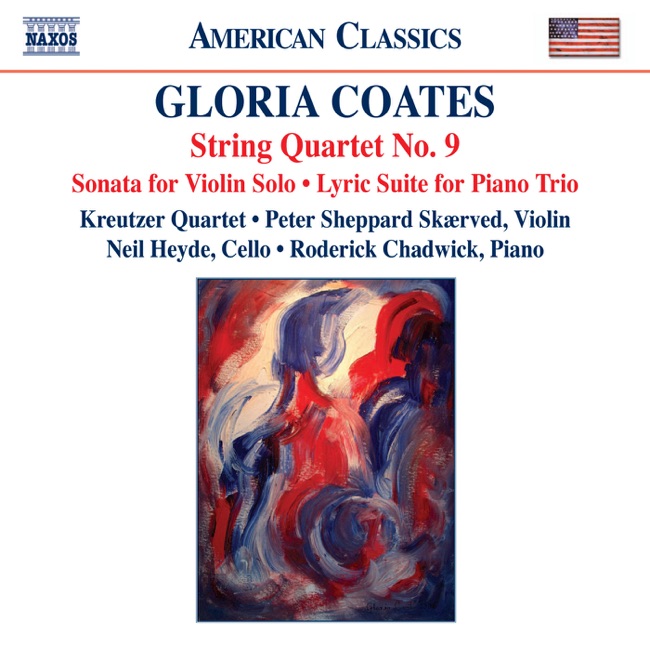 September 28, 2010
 -
 June 24, 2003
 -
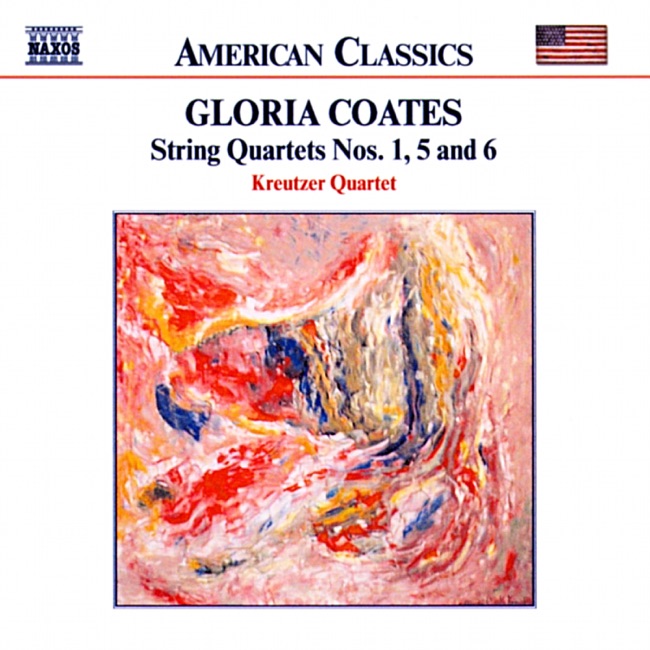 March 19, 2002
 -
 March 14, 2002
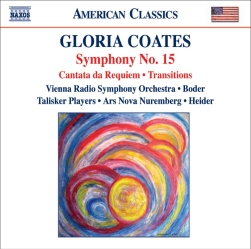
Symphony
-
 December 1, 2023
 -
 April 3, 2006
 -
-
 November 19, 1996
Vocal
-
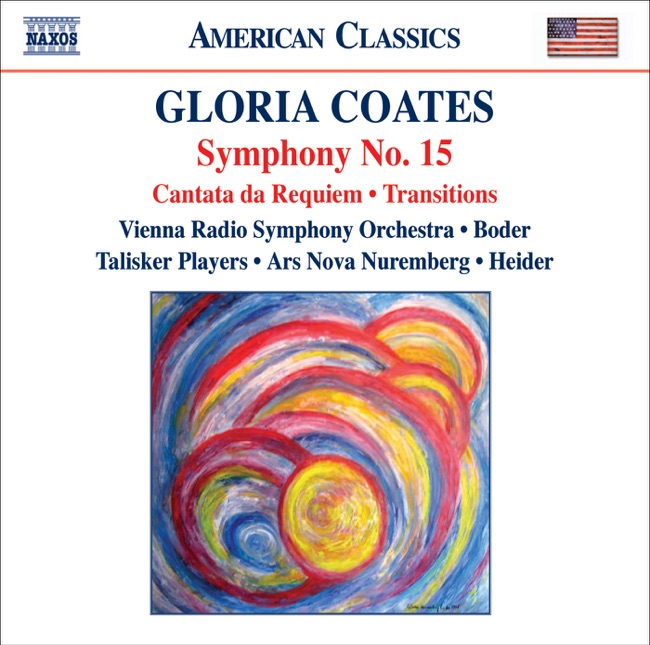 November 26, 2007
 -
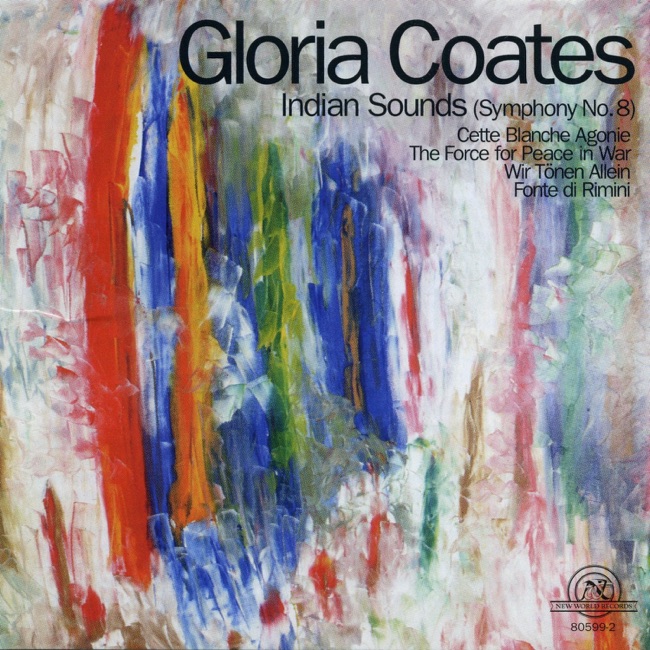 October 29, 2002
Artist Info
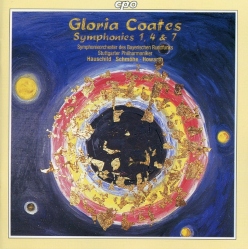
Role:ComposerBirth:October 10, 1938 in Wausau, WIPeriod:ContemporaryGenre:ChamberSymphonyVocalGloria Coates is a renowned American composer who has made significant contributions to the world of classical music. Born on October 10, 1938, in Wausau, Wisconsin, Coates grew up in a musical family. Her mother was a pianist, and her father was a violinist. Coates started playing the piano at the age of four and began composing music at the age of nine. Coates attended Louisiana State University, where she studied composition with Darius Milhaud. She later moved to Germany, where she continued her studies at the Hochschule für Musik in Munich. During her time in Germany, Coates was influenced by the music of Karlheinz Stockhausen and other avant-garde composers. Coates' early works were characterized by their use of extended techniques and unconventional instrumentation. Her first string quartet, written in 1965, featured the use of quarter-tones and microtones. Her second string quartet, written in 1967, was scored for four violas. In the 1970s, Coates began to develop her signature style, which she called "microtonal polyphony." This style involved the use of microtones and multiple independent melodic lines. Coates' music from this period is characterized by its dense textures and complex harmonies. One of Coates' most significant works from this period is her Symphony No. 1, which was written in 1972. The symphony is scored for a large orchestra and features a complex web of microtonal melodies. The work was well-received by critics and established Coates as a leading figure in the avant-garde music scene. In the 1980s, Coates began to incorporate elements of folk music into her compositions. She was particularly interested in the music of the Inuit people of Canada and Alaska. Coates' interest in Inuit music led her to travel to the Arctic, where she spent time with Inuit musicians and learned about their musical traditions. Coates' interest in Inuit music is evident in her Symphony No. 4, which was written in 1984. The symphony is scored for a large orchestra and features a prominent role for the Inuit throat singer Tagaq. The work is a powerful exploration of the intersection of Western classical music and Inuit musical traditions. Coates' music from the 1990s and 2000s continued to explore the use of microtones and multiple independent melodic lines. Her Symphony No. 7, written in 2002, is a particularly striking example of this style. The symphony is scored for a large orchestra and features a complex web of microtonal melodies that weave in and out of each other. Coates' music has been performed by some of the world's leading orchestras, including the Berlin Philharmonic, the London Symphony Orchestra, and the New York Philharmonic. She has received numerous awards and honors for her work, including a Guggenheim Fellowship and a grant from the National Endowment for the Arts. In addition to her work as a composer, Coates has also been an influential teacher. She has taught at the Hochschule für Musik in Munich, the University of Chicago, and the Manhattan School of Music. Many of her students have gone on to become successful composers in their own right. Coates' music is characterized by its innovative use of microtones and multiple independent melodic lines. Her work has been a significant influence on the development of contemporary classical music. She is a true pioneer in the field and continues to be an important voice in the world of classical music.More....
Recent Artist Music




Copyright Ⓒ 2013 Davinci Finger. All rights reseved
Service Terms & Policy