


Karl Blench
Released Album
Chamber
-
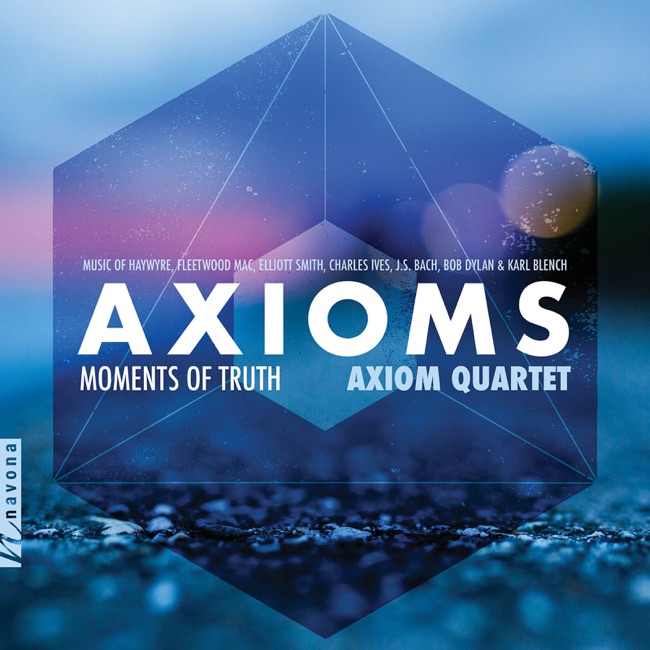 April 13, 2018
 -
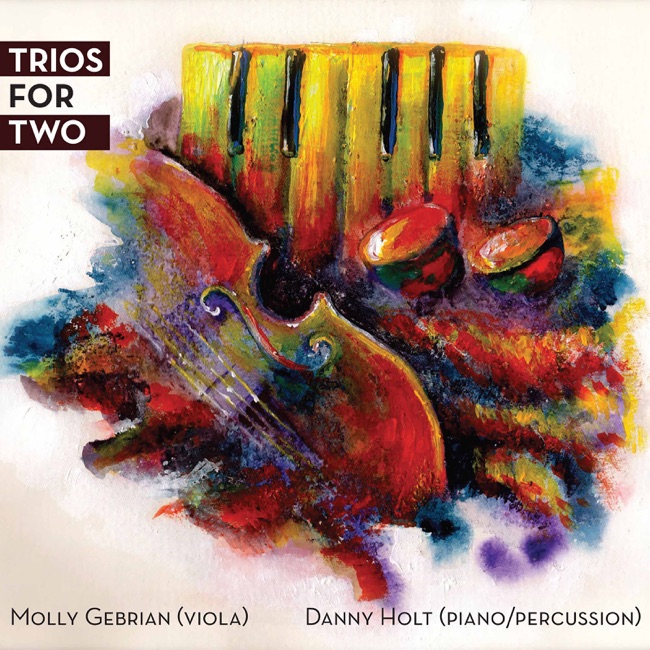 September 22, 2017
Band
-
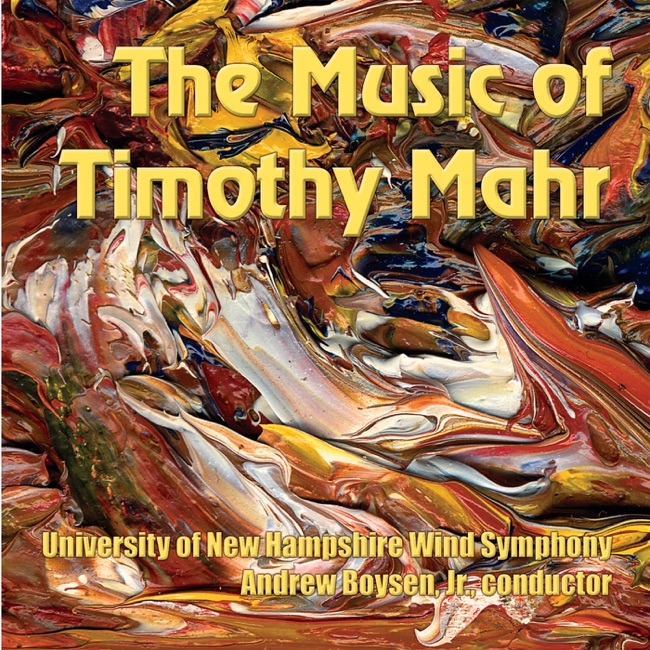 July 15, 2003
Artist Info
Role:Composer ConductorKarl Blench was a renowned classical music composer who was born on January 15, 1925, in Vienna, Austria. He was the youngest of three children born to a family of musicians. His father was a violinist, and his mother was a pianist. Blench's parents recognized his musical talent at an early age and encouraged him to pursue a career in music. Blench began his musical education at the age of six, studying piano and violin with his parents. He showed a particular aptitude for the piano and began composing his own music at the age of ten. Blench's parents recognized his talent and arranged for him to study with some of the best music teachers in Vienna. In 1943, Blench was drafted into the German army and sent to fight on the Eastern Front. He was captured by the Soviet army in 1944 and spent the remainder of the war in a prisoner-of-war camp. Despite the difficult conditions, Blench continued to compose music in his head and wrote down his compositions whenever he had the opportunity. After the war, Blench returned to Vienna and resumed his musical studies. He studied composition with Joseph Marx and piano with Friedrich Wührer. In 1950, Blench graduated from the Vienna Academy of Music with a degree in composition. Blench's early compositions were heavily influenced by the music of the Viennese classical tradition, particularly the works of Mozart, Haydn, and Beethoven. However, he also drew inspiration from the music of the Second Viennese School, particularly the works of Arnold Schoenberg and Alban Berg. Blench's breakthrough composition was his Piano Sonata No. 1, which he composed in 1952. The sonata was a highly original work that combined elements of the Viennese classical tradition with the techniques of the Second Viennese School. The sonata was well-received by critics and established Blench as a major new voice in contemporary classical music. Over the next few years, Blench continued to compose a series of highly original works that combined elements of the Viennese classical tradition with the techniques of the Second Viennese School. His works were characterized by their complex harmonies, intricate rhythms, and innovative use of form. One of Blench's most famous works is his Symphony No. 1, which he composed in 1956. The symphony is a highly original work that combines elements of the Viennese classical tradition with the techniques of the Second Viennese School. The symphony is characterized by its complex harmonies, intricate rhythms, and innovative use of form. Blench's other major works include his Piano Concerto No. 1, which he composed in 1958, and his String Quartet No. 1, which he composed in 1960. Both works are highly original and demonstrate Blench's mastery of complex harmonies and intricate rhythms. In addition to his work as a composer, Blench was also a highly respected music teacher. He taught composition at the Vienna Academy of Music from 1960 until his retirement in 1990. Many of his students went on to become successful composers in their own right. Blench's music has been performed by some of the world's leading orchestras and chamber ensembles. His works have been recorded by many of the world's leading classical music labels, including Deutsche Grammophon, EMI, and Sony Classical. Blench died on December 12, 2001, at the age of 76.More....
Recent Artist Music
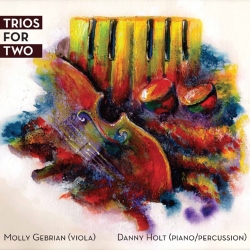
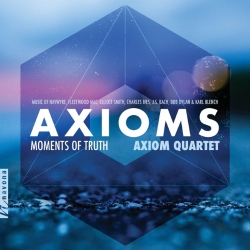
Copyright Ⓒ 2013 Davinci Finger. All rights reseved
Service Terms & Policy