


Carlo Calvi
Released Album
Chamber
-
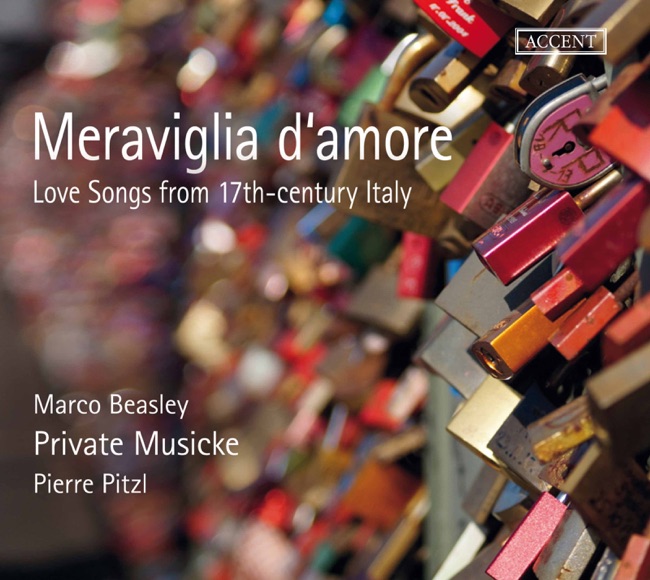
-
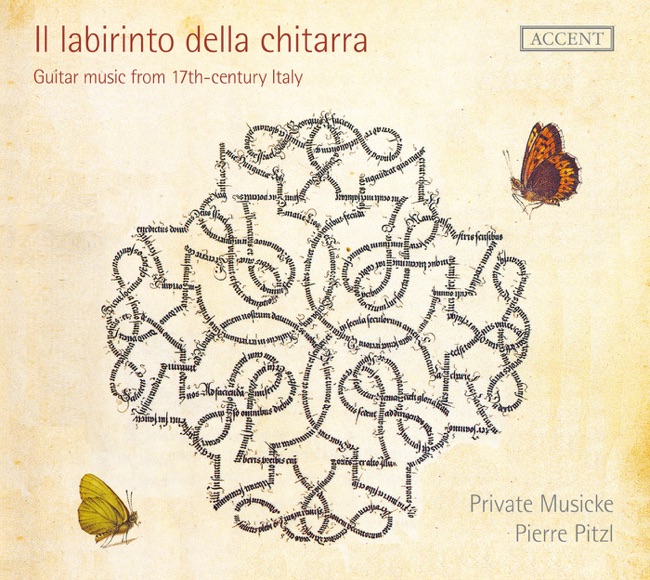 September 27, 2011
Artist Info
Role:ComposerBirth:ca. 1610Death:after 1646Period:BaroqueCarlo Calvi was an Italian composer of classical music who lived from 1883 to 1965. He was born in Milan, Italy, and showed an early interest in music. His parents recognized his talent and encouraged him to pursue his passion for music. Calvi began his musical education at a young age, studying piano and composition with some of the best teachers in Milan. Calvi's early compositions were influenced by the Italian opera tradition, and he quickly gained a reputation as a talented composer. He was awarded a scholarship to study at the Milan Conservatory, where he continued to develop his skills as a composer. During this time, he also began to experiment with new musical forms and styles, incorporating elements of modernism into his work. In 1906, Calvi's first major work, a symphony, was premiered in Milan to critical acclaim. This success led to further commissions, and Calvi quickly established himself as one of the leading composers of his generation. His music was characterized by its emotional intensity, lyrical melodies, and innovative harmonies. Throughout his career, Calvi composed a wide range of works, including operas, symphonies, chamber music, and choral pieces. His operas were particularly successful, and he was regarded as one of the leading composers of Italian opera in the early 20th century. His most famous opera, La Fiamma, premiered in 1934 and was a huge success, receiving numerous performances throughout Italy and Europe. Calvi's music was also influenced by his political beliefs. He was a committed socialist and believed that music had the power to inspire social change. Many of his works were inspired by political events, and he often used his music to express his political views. His opera, La Fiamma, for example, was a critique of fascism and the rise of authoritarianism in Italy. Despite his success as a composer, Calvi was not immune to the political turmoil of his time. During World War II, he was forced to flee Italy due to his opposition to the fascist regime. He spent several years in Switzerland before returning to Italy after the war. In his later years, Calvi continued to compose, but his output slowed down. He focused more on teaching and mentoring young composers, passing on his knowledge and experience to the next generation. He died in Milan in 1965, leaving behind a legacy of innovative and emotionally powerful music. Today, Carlo Calvi is remembered as one of the most important Italian composers of the 20th century. His music continues to be performed and recorded, and his influence can be heard in the work of many contemporary composers. His commitment to social justice and his belief in the power of music to inspire change remain an inspiration to musicians and music lovers around the world.More....
Recent Artist Music
2
Dance of the Grand Duke (guitar tablature and chitarilla)
Ballo dell'Granduca (Intavolatura di chitarra e chitarriglia, Bologna 1646)
2:50
Copyright Ⓒ 2013 Davinci Finger. All rights reseved
Service Terms & Policy