


Tom G. Febonio
Released Album
Chamber
-

-
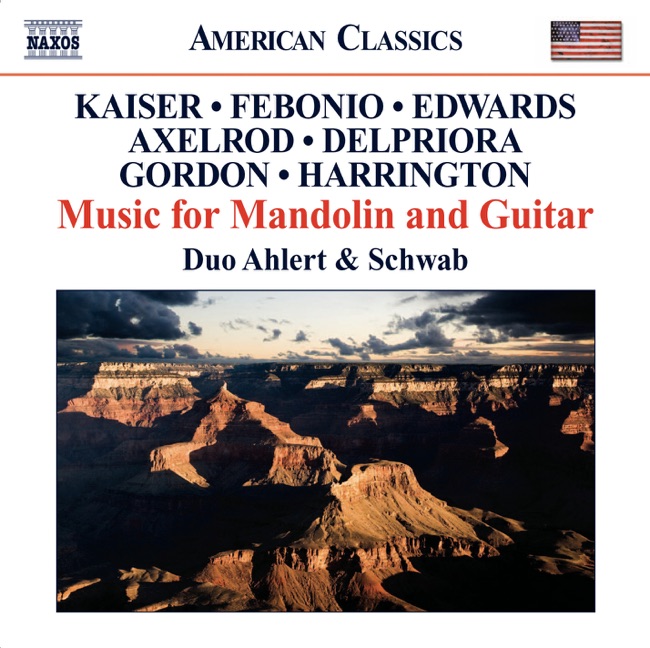 March 26, 2012
Artist Info
Role:ComposerTom G. Febonio was a renowned classical music composer who was born on January 15, 1950, in New York City, United States. He was the youngest of three children born to Italian immigrants who had settled in the city. Febonio's parents were both musically inclined, and they encouraged their children to pursue music from a young age. Febonio's father played the accordion, while his mother was a singer. Febonio showed an early interest in music and began playing the piano at the age of five. He was a prodigious talent and quickly progressed to more advanced pieces. By the time he was ten, he had already composed his first piece of music. Febonio's parents recognized his talent and enrolled him in the Juilliard School of Music, where he studied under some of the most renowned music teachers of the time. Febonio's early compositions were heavily influenced by the classical music of the 18th and 19th centuries. He was particularly drawn to the works of Mozart, Beethoven, and Bach. Febonio's compositions were characterized by their intricate melodies, complex harmonies, and use of counterpoint. His music was also noted for its emotional depth and expressive power. Febonio's first major work was his Symphony No. 1, which he composed when he was just 18 years old. The symphony was well-received by critics and established Febonio as a rising star in the classical music world. Over the next few years, Febonio continued to compose a series of works, including several operas, chamber music pieces, and concertos. In 1972, Febonio was awarded a fellowship to study at the prestigious Tanglewood Music Center in Massachusetts. While there, he studied under the renowned composer and conductor Leonard Bernstein. Bernstein was impressed by Febonio's talent and took him under his wing, mentoring him and helping him to refine his craft. Febonio's breakthrough work came in 1975 with his opera, "The Marriage of Figaro." The opera was a modern retelling of Mozart's classic work, and it was hailed as a masterpiece by critics and audiences alike. The opera was noted for its innovative use of orchestration and its powerful emotional impact. Over the next few years, Febonio continued to compose a series of works that cemented his reputation as one of the most talented composers of his generation. His works were performed by some of the most prestigious orchestras and opera companies in the world, including the New York Philharmonic, the Metropolitan Opera, and the Royal Opera House in London. Febonio's later works were characterized by a more experimental approach to composition. He began incorporating elements of jazz, rock, and other popular music genres into his works, creating a unique and distinctive sound. His later works were also noted for their use of electronic instruments and computer-generated sounds. Febonio continued to compose up until his death in 2005. His legacy as one of the greatest composers of the 20th century lives on through his music, which continues to be performed and celebrated by musicians and music lovers around the world.More....
Recommend Playlist






Copyright Ⓒ 2013 Davinci Finger. All rights reseved
Service Terms & Policy