


Gillian Whitehead
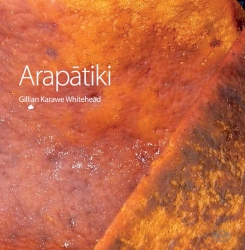
Released Album
Chamber
-
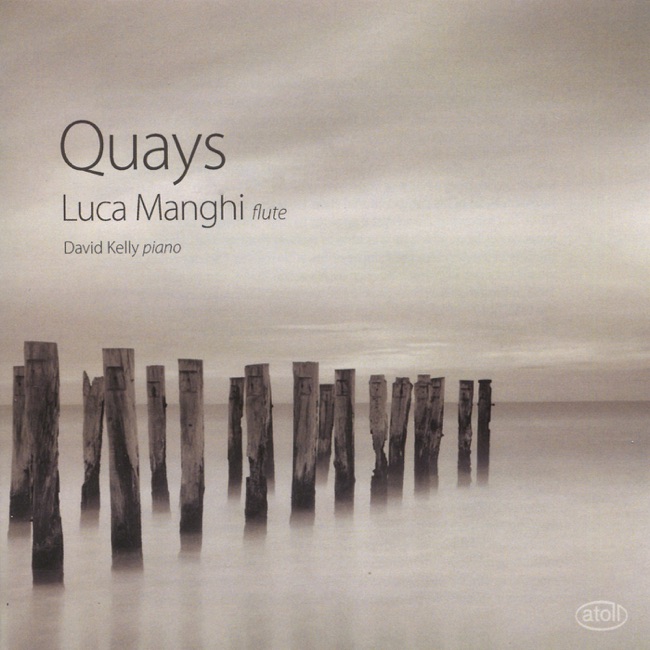 November 12, 2012
 -
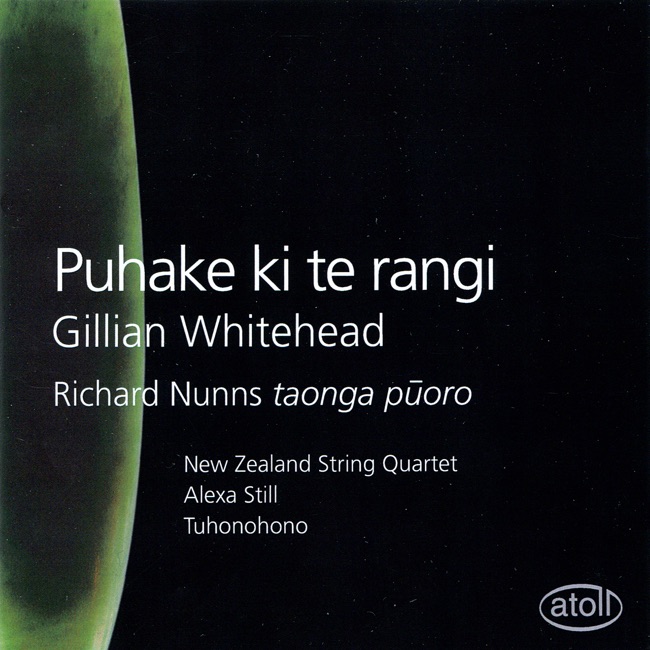 June 21, 2012
Vocal
-
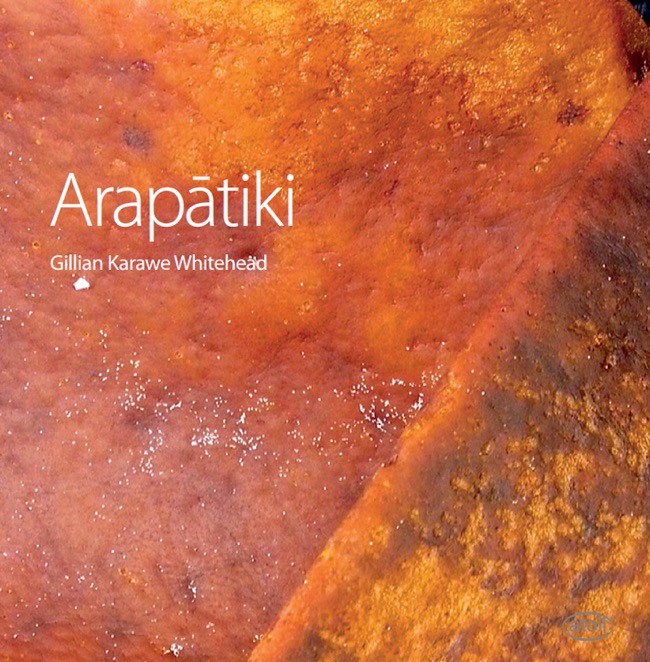 February 18, 2013
Artist Info
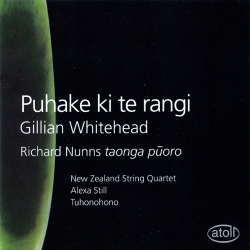
Role:ComposerBirth:1941Period:ContemporaryGenre:ChamberGillian Whitehead is a prominent New Zealand composer of classical music. She was born on April 2, 1941, in Hamilton, New Zealand. Her father was a music teacher, and her mother was a pianist. Whitehead grew up in a musical family, and her parents encouraged her to pursue music from a young age. She began playing the piano at the age of five and later learned to play the violin and viola. Whitehead studied music at the University of Auckland, where she earned a Bachelor of Music degree in 1962. She then went on to study composition at the Royal College of Music in London, where she earned a Master of Music degree in 1965. While in London, Whitehead studied with notable composers such as Peter Racine Fricker and Humphrey Searle. After completing her studies, Whitehead returned to New Zealand and began her career as a composer. Her early works were influenced by the avant-garde music of the 1960s, and she experimented with unconventional techniques such as aleatoric music and graphic notation. However, she soon began to develop her own unique style, which combined elements of Western classical music with traditional Maori music and culture. One of Whitehead's most notable works from this period is her 1979 composition "Taurangi," which was inspired by Maori mythology. The piece features a solo cello accompanied by a small ensemble, and it incorporates Maori instruments such as the putatara (a conch shell trumpet) and the pukaea (a Maori war trumpet). "Taurangi" was well-received by audiences and critics alike, and it helped establish Whitehead as a leading figure in New Zealand's contemporary classical music scene. Throughout the 1980s and 1990s, Whitehead continued to compose works that blended Western classical music with Maori culture. One of her most notable works from this period is her 1991 composition "Puhake ki te rangi," which was commissioned by the New Zealand Symphony Orchestra. The piece features a large orchestra and incorporates Maori instruments such as the taonga puoro (traditional Maori musical instruments). "Puhake ki te rangi" was a critical and commercial success, and it helped cement Whitehead's reputation as one of New Zealand's most important composers. In addition to her work as a composer, Whitehead has also been an influential figure in New Zealand's music education system. She has taught at several universities and conservatories, including the University of Auckland and the New Zealand School of Music. She has also served as a mentor to many young composers and musicians, and she has been a strong advocate for the inclusion of Maori music and culture in music education. In recent years, Whitehead has continued to compose works that explore the intersection of Western classical music and Maori culture. One of her most recent works is her 2018 composition "Turanga-nui," which was commissioned by the New Zealand Symphony Orchestra. The piece is a tribute to the Maori people of the East Coast of New Zealand, and it incorporates Maori instruments such as the koauau (a Maori flute) and the nguru (a Maori nose flute). "Turanga-nui" has been well-received by audiences and critics, and it serves as a testament to Whitehead's ongoing commitment to exploring the rich cultural heritage of New Zealand. In conclusion, Gillian Whitehead is a pioneering composer who has made significant contributions to the world of classical music.More....
Recent Artist Music
Copyright Ⓒ 2013 Davinci Finger. All rights reseved
Service Terms & Policy