


Znamenny Chant
Released Album
Choral
-
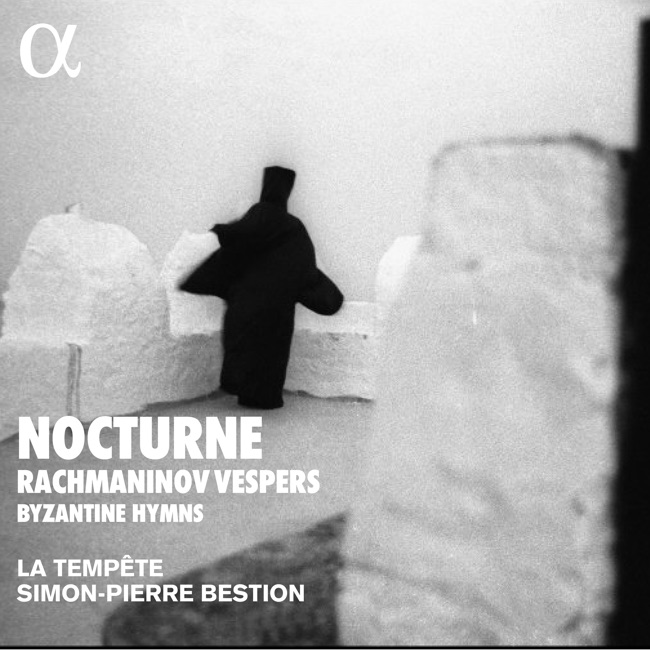 October 14, 2022
 -
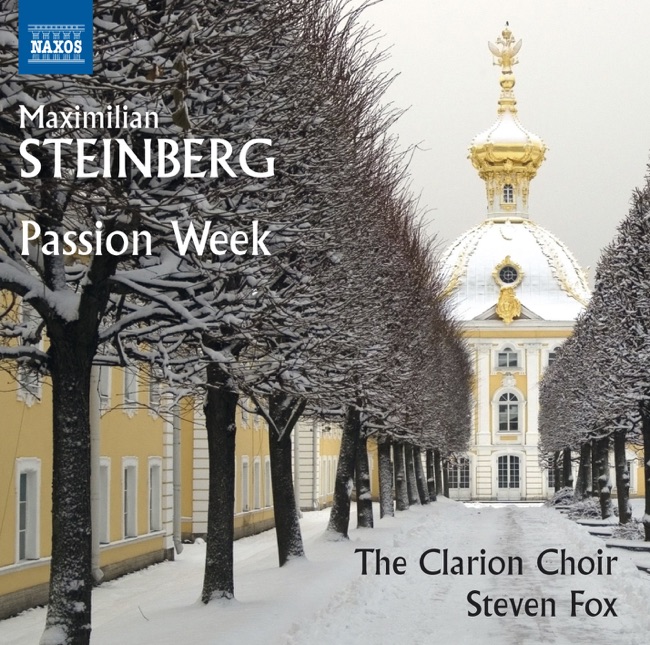 August 12, 2016
 -
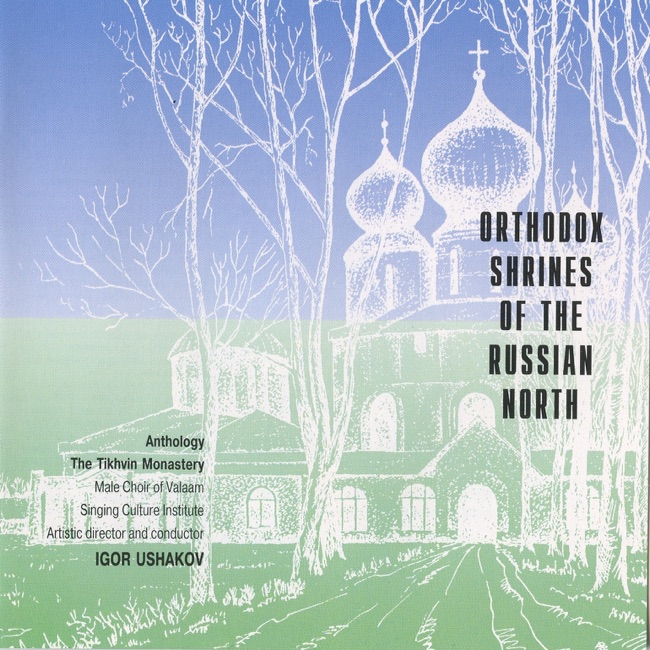 October 4, 2011
 -
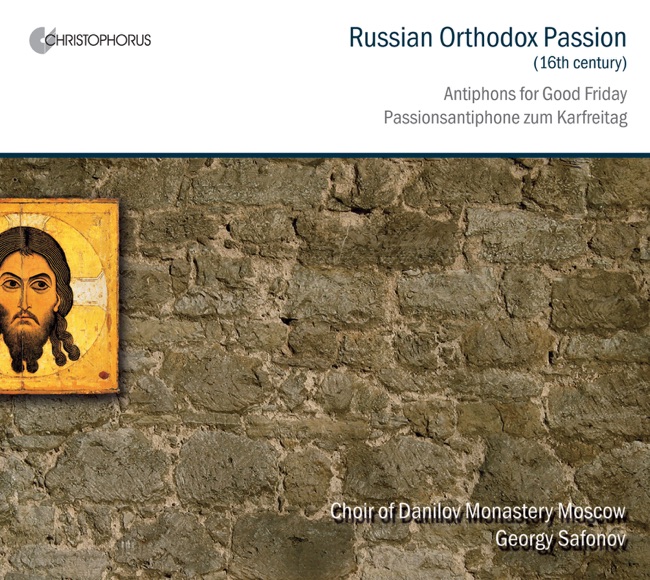 March, 2010
 -
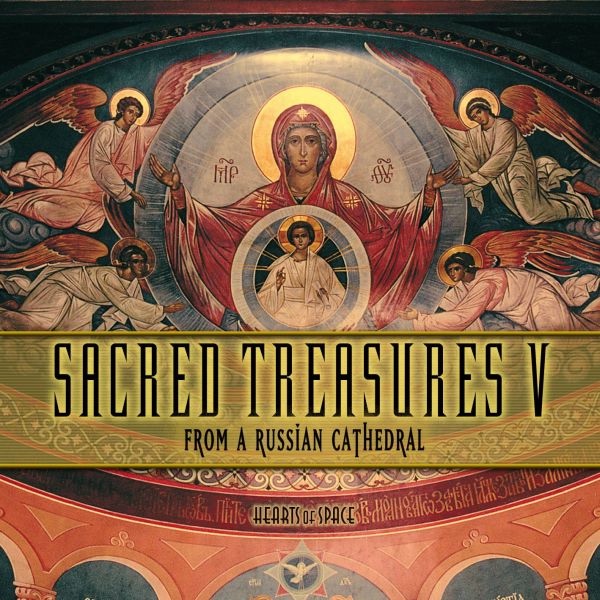 October 9, 2007
 -
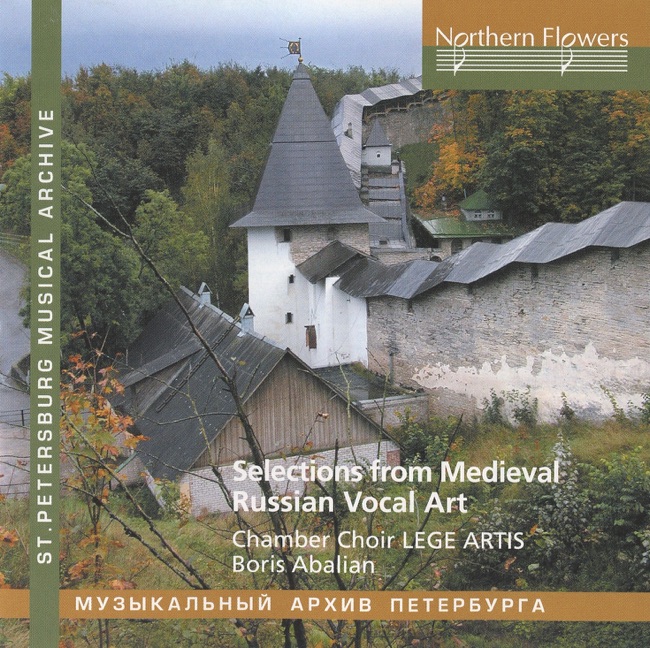 January 24, 2006
Artist Info
Role:ComposerGenre:ChoralZnamenny Chant, also known as Kievan Chant, is a form of Orthodox liturgical chant that originated in Kievan Rus, a medieval state that existed from the 9th to the 13th century in what is now Ukraine, Belarus, and Russia. The chant is named after the Znamenny Monastery in Kiev, where it was first developed and codified in the 11th century. The birth of Znamenny Chant can be traced back to the Christianization of Kievan Rus in 988, when Prince Vladimir I of Kiev adopted Christianity as the state religion. The Byzantine Empire, which was the center of Orthodox Christianity at the time, played a significant role in the spread of the faith and its liturgical practices to Kievan Rus. Byzantine chant, which was characterized by its melismatic and ornate style, served as a model for the development of Znamenny Chant. The growth of Znamenny Chant was closely tied to the development of the Russian Orthodox Church, which emerged as a distinct entity in the 15th century. The chant was used in the liturgy of the church, and was considered an essential part of Orthodox worship. Over time, different regional styles of Znamenny Chant emerged, reflecting the cultural and linguistic diversity of the Russian Orthodox Church. One of the most notable composers of Znamenny Chant was St. John of Damascus, a Syrian monk who lived in the 8th century. St. John is credited with composing many of the hymns and chants that are still used in Orthodox liturgy today, including the famous Easter hymn "Christ is risen from the dead." Other notable composers of Znamenny Chant include St. Romanos the Melodist, who lived in the 6th century and is considered the father of Byzantine hymnography, and St. Andrew of Crete, who lived in the 8th century and is known for his Great Canon of Repentance. The composed works of Znamenny Chant are characterized by their simplicity and austerity, reflecting the Orthodox belief in the importance of humility and self-denial. The chant is monophonic, meaning that it consists of a single melody without harmony or accompaniment. The melodies are based on a system of eight modes, each with its own distinctive character and emotional tone. One of the most famous works of Znamenny Chant is the "Cherubic Hymn," which is sung during the Great Entrance of the Divine Liturgy. The hymn is a prayer of thanksgiving and praise, and is considered one of the most beautiful and moving pieces of Orthodox liturgical music. Another notable work is the "Trisagion Hymn," which is sung during the Divine Liturgy and other services. The hymn is a declaration of faith in the Holy Trinity, and is considered one of the most important and beloved hymns in the Orthodox tradition. In addition to its use in Orthodox liturgy, Znamenny Chant has also had a significant influence on Russian secular music. Many Russian composers, including Tchaikovsky, Rachmaninoff, and Stravinsky, were inspired by the chant's simple and powerful melodies, and incorporated elements of it into their own works. Today, Znamenny Chant continues to be an important part of Orthodox worship, and is cherished by believers for its beauty and spiritual depth. Its legacy can be seen in the rich tradition of Orthodox liturgical music, as well as in the works of some of the greatest composers in Russian and Western classical music.More....
Recent Artist Music
4
2:11
5
2:51
6
1:9
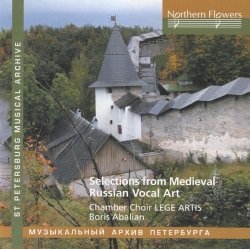
8
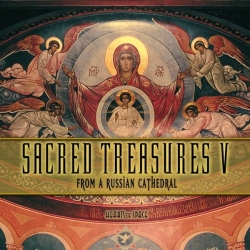
2:26
9
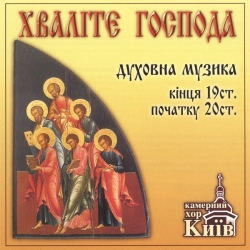
2:25
10
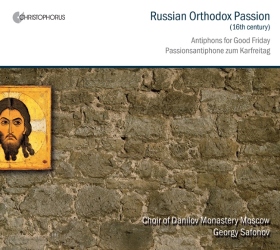
9:37
Copyright Ⓒ 2013 Davinci Finger. All rights reseved
Service Terms & Policy