


Phillip Ramey
Released Album
Keyboard
-
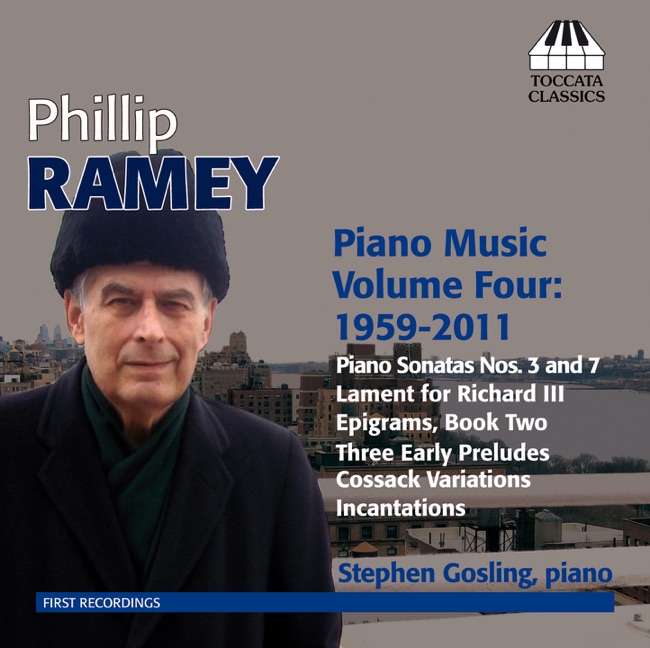 March 4, 2013
 -
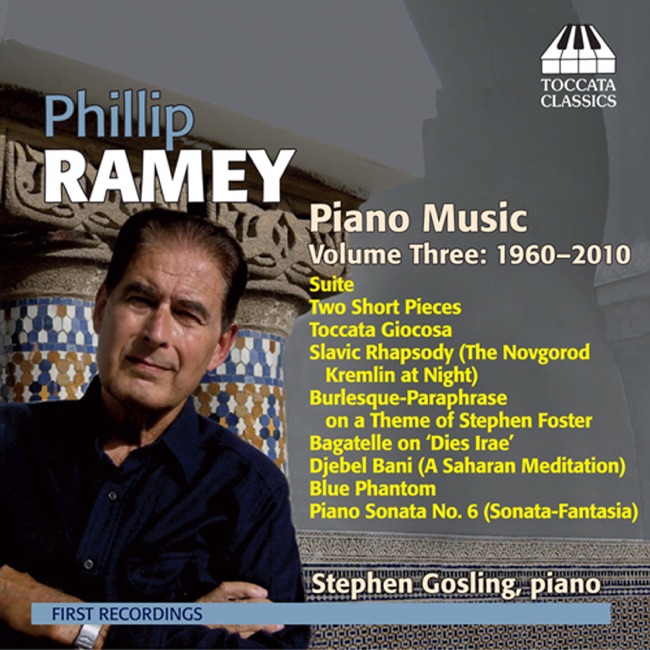 September 19, 2011
 -
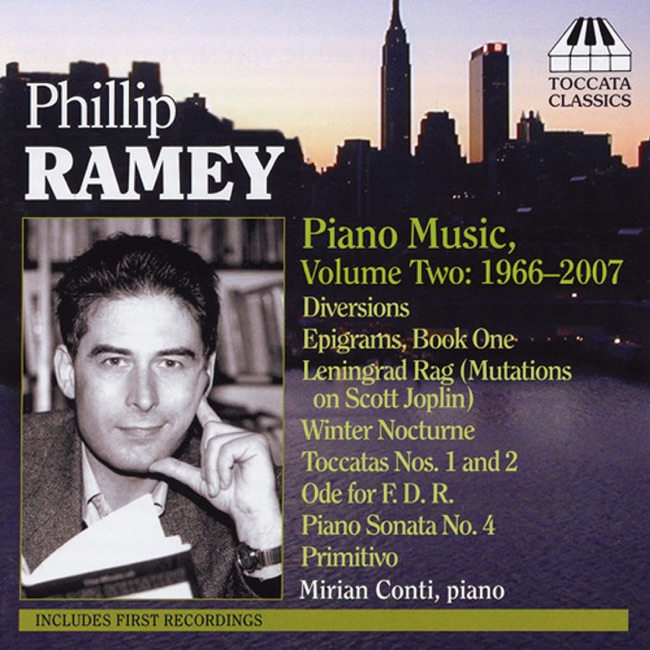 June 10, 2008
 -
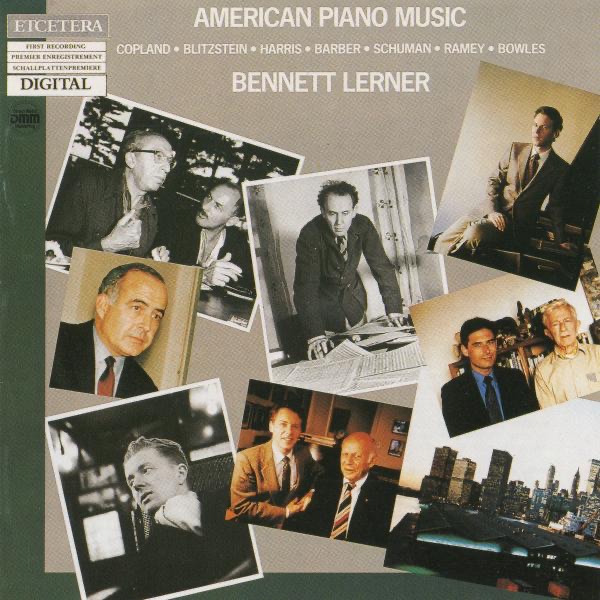 October 1, 2006
 -
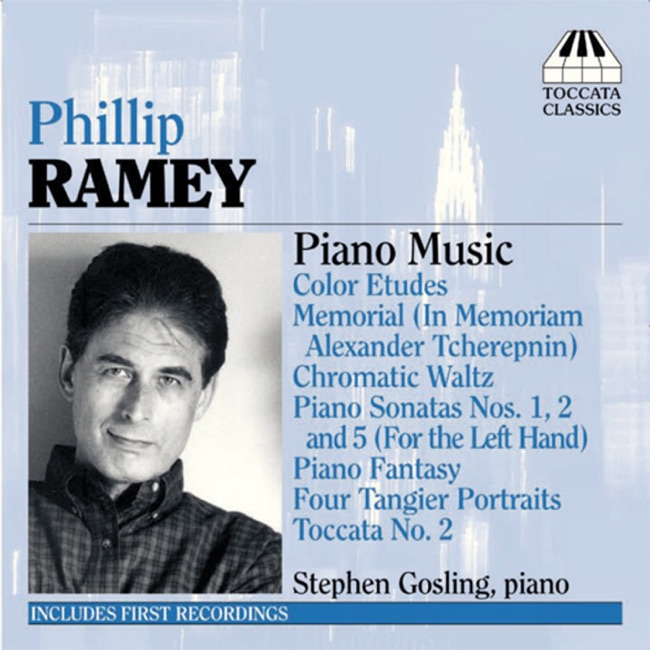 June 13, 2006
 -
 April 13, 1994
Chamber
-
 September 18, 2020
 -
 March 6, 2020
 -
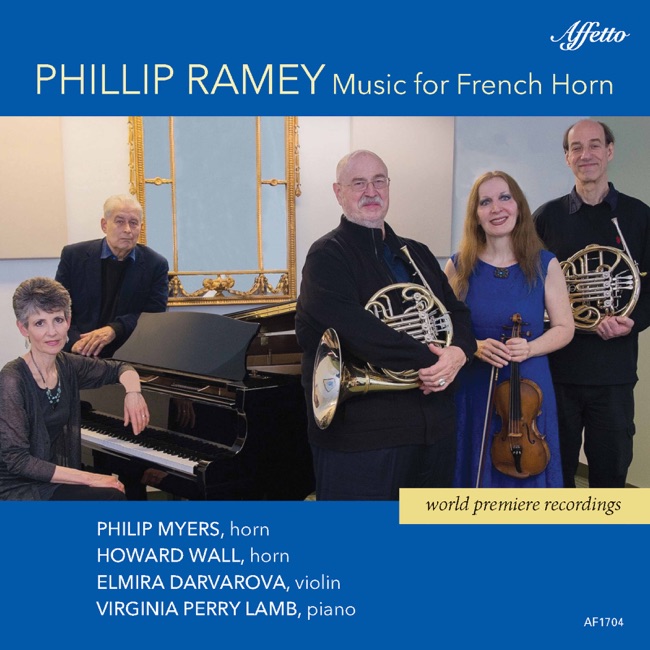 June 16, 2017
Orchestral
Artist Info
Role:ComposerBirth:September 12, 1939Period:ContemporaryGenre:ConcertoPhillip Ramey is a renowned American composer, pianist, and musicologist who has made significant contributions to the world of classical music. Born on August 27, 1939, in New York City, Ramey grew up in a family of musicians. His father was a violinist, and his mother was a pianist. From a young age, Ramey showed a keen interest in music and began playing the piano at the age of four. Ramey's early musical education was primarily focused on the piano. He studied with renowned pianists such as Rosina Lhévinne and Adele Marcus. He also attended the Juilliard School, where he studied composition with Vincent Persichetti and piano with Rosina Lhévinne. Ramey's early compositions were heavily influenced by the works of Stravinsky, Bartók, and Prokofiev. In the 1960s, Ramey began to gain recognition as a composer. His works were performed by leading orchestras and ensembles, including the New York Philharmonic, the Chicago Symphony Orchestra, and the Boston Symphony Orchestra. Ramey's compositions from this period were characterized by their use of complex rhythms, dissonant harmonies, and unconventional forms. One of Ramey's most significant works from this period is his Piano Concerto No. 1, which was premiered by the New York Philharmonic in 1967. The concerto is a virtuosic showcase for the soloist, with intricate passagework and complex rhythms. The work also features a prominent role for the percussion section, which adds to the concerto's rhythmic complexity. In the 1970s, Ramey began to explore new musical styles and techniques. He became interested in the music of the Baroque period and began to incorporate elements of Baroque music into his compositions. He also began to experiment with electronic music, using synthesizers and other electronic instruments in his works. One of Ramey's most significant works from this period is his Symphony No. 1, which was premiered by the Chicago Symphony Orchestra in 1976. The symphony is a fusion of Baroque and contemporary styles, with intricate contrapuntal textures and complex harmonies. The work also features a prominent role for the harpsichord, which adds to the Baroque flavor of the piece. In the 1980s, Ramey continued to explore new musical styles and techniques. He became interested in the music of the Middle East and began to incorporate elements of Middle Eastern music into his compositions. He also continued to experiment with electronic music, using computer-generated sounds in his works. One of Ramey's most significant works from this period is his Piano Concerto No. 2, which was premiered by the Boston Symphony Orchestra in 1985. The concerto is a fusion of Middle Eastern and contemporary styles, with intricate rhythms and exotic scales. The work also features a prominent role for the percussion section, which adds to the Middle Eastern flavor of the piece. In addition to his work as a composer, Ramey is also a respected musicologist. He has written extensively on the music of Stravinsky, Bartók, and Prokofiev, as well as on the music of the Middle East. He has also edited and arranged numerous works for piano, including the music of Bach, Mozart, and Beethoven. Ramey's contributions to the world of classical music have been recognized with numerous awards and honors. He has received grants and commissions from the National Endowment for the Arts, the Guggenheim Foundation, and the Rockefeller Foundation.More....

Copyright Ⓒ 2013 Davinci Finger. All rights reseved
Service Terms & Policy