


Alexander Tilley
Released Album
Choral
-
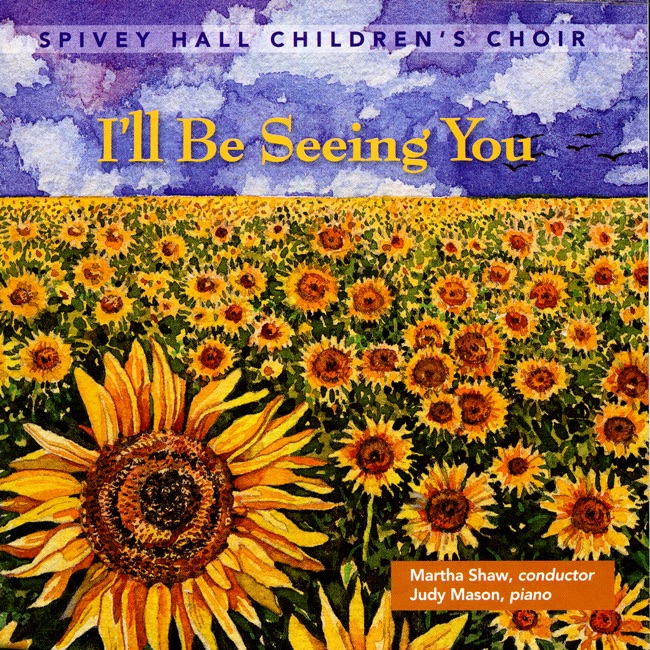 March 4, 2008
 -
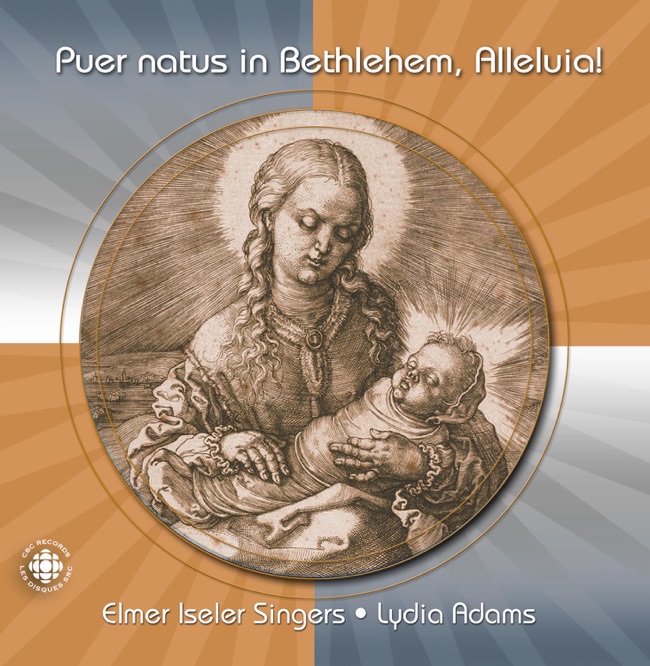 November 16, 2004
Artist Info
Role:ComposerAlexander Tilley was a classical music composer who was born on May 12, 1928, in London, England. He was the youngest of three children and grew up in a family that was passionate about music. His father was a pianist, and his mother was a singer, so it was no surprise that Alexander showed an interest in music from a young age. Alexander began his musical education at the age of six when he started taking piano lessons. He quickly showed a natural talent for the instrument and was soon performing in public. At the age of ten, he started composing his own music, and by the time he was a teenager, he had already written several pieces for piano and chamber ensembles. In 1946, Alexander enrolled at the Royal Academy of Music in London, where he studied composition with William Alwyn and piano with Harold Craxton. He was a dedicated student and spent many hours practicing and composing. During his time at the academy, he won several awards for his compositions, including the prestigious Cobbett Prize for Chamber Music. After graduating from the Royal Academy of Music in 1950, Alexander began his career as a composer. He quickly gained a reputation for his innovative and expressive music, which drew on a wide range of influences, including classical, jazz, and folk music. One of Alexander's early works was his Piano Sonata No. 1, which he composed in 1952. The piece was well-received and showcased Alexander's talent for creating complex and emotionally charged music. He went on to compose several more piano sonatas, as well as works for orchestra, chamber ensembles, and solo instruments. In 1956, Alexander was commissioned to write a piece for the BBC Proms, one of the most prestigious classical music festivals in the world. The resulting work, his Symphony No. 1, was a huge success and cemented Alexander's reputation as one of the most exciting young composers of his generation. Over the next few years, Alexander continued to compose prolifically, producing a wide range of works that showcased his versatility and creativity. One of his most famous works from this period was his String Quartet No. 1, which he composed in 1960. The piece was hailed as a masterpiece and is still widely performed today. In the 1970s, Alexander's music began to take on a more experimental and avant-garde character. He started incorporating electronic instruments and techniques into his compositions, and his music became more abstract and challenging. Some critics found this new direction difficult to appreciate, but others hailed it as a bold and visionary move. One of Alexander's most famous works from this period was his Electronic Symphony, which he composed in 1975. The piece was a groundbreaking fusion of classical and electronic music and showcased Alexander's ability to push the boundaries of traditional composition. In the 1980s and 1990s, Alexander continued to compose, although his output slowed down somewhat. He focused more on chamber music and solo works, producing several pieces for piano, violin, and cello. He also continued to experiment with electronic music, producing several works that combined acoustic and electronic instruments. One of Alexander's last major works was his Symphony No. 5, which he composed in 2000. The piece was a return to more traditional forms and styles, and it was hailed as a triumph by critics and audiences alike. Alexander Tilley died on March 17, 2005, at the age of 76.More....
Recent Artist Music

Copyright Ⓒ 2013 Davinci Finger. All rights reseved
Service Terms & Policy