


Anthony Gilbert
Released Album
Chamber
-
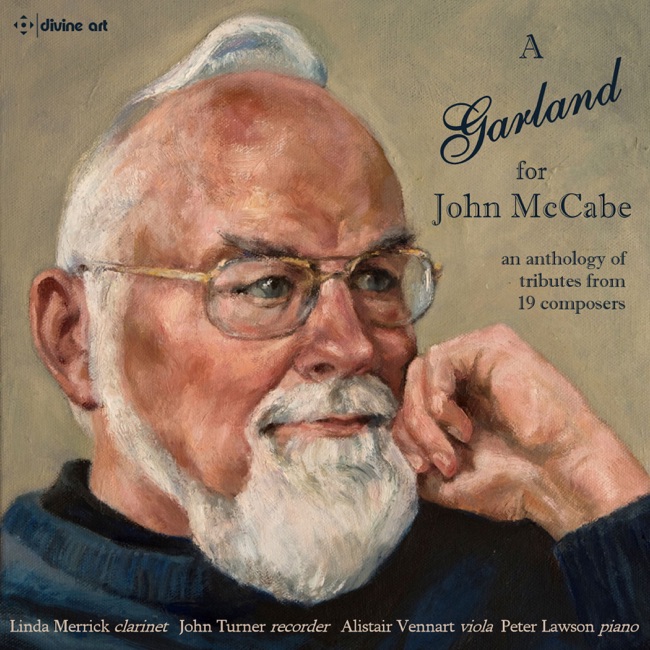 February 16, 2018
 -
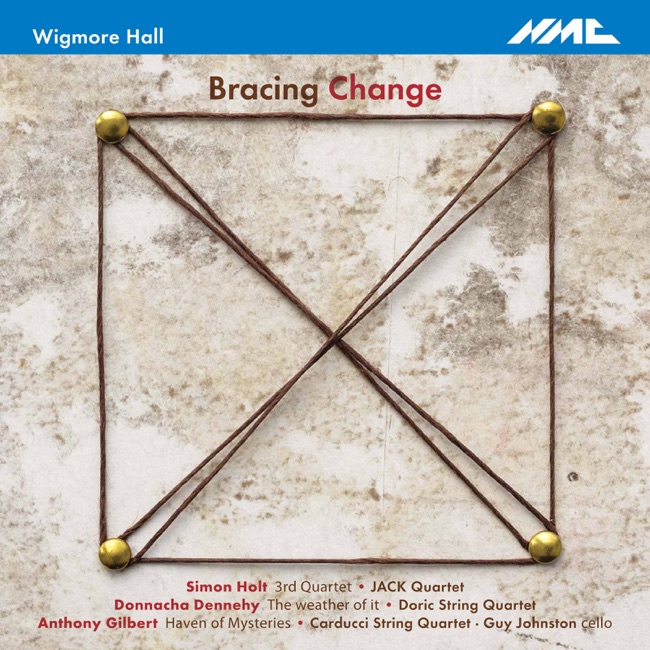 May 19, 2017
 -
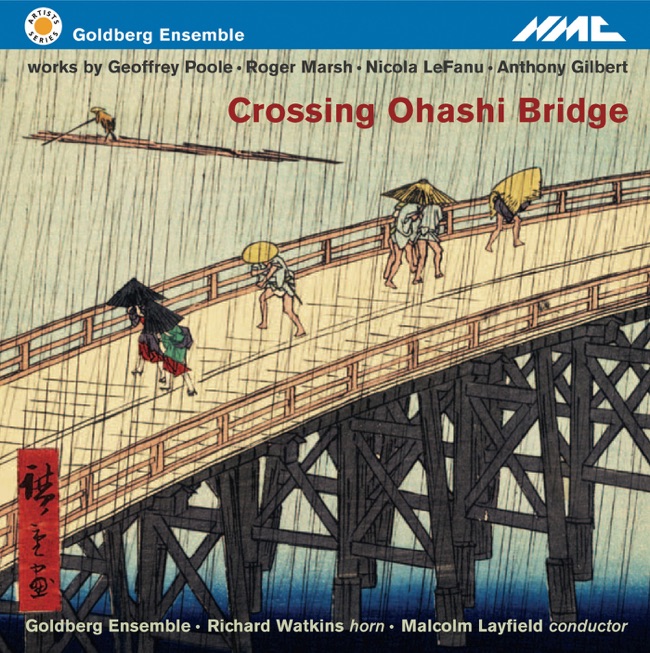 September 19, 2011
 -
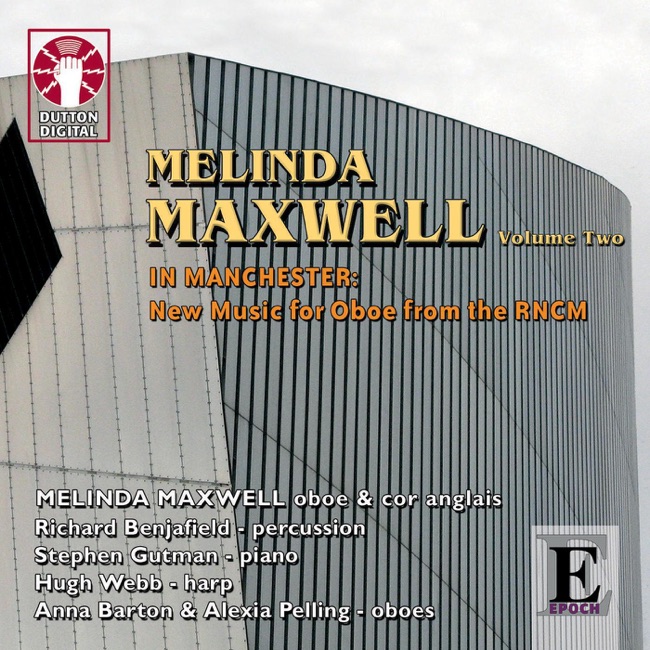 July 10, 2007
 -
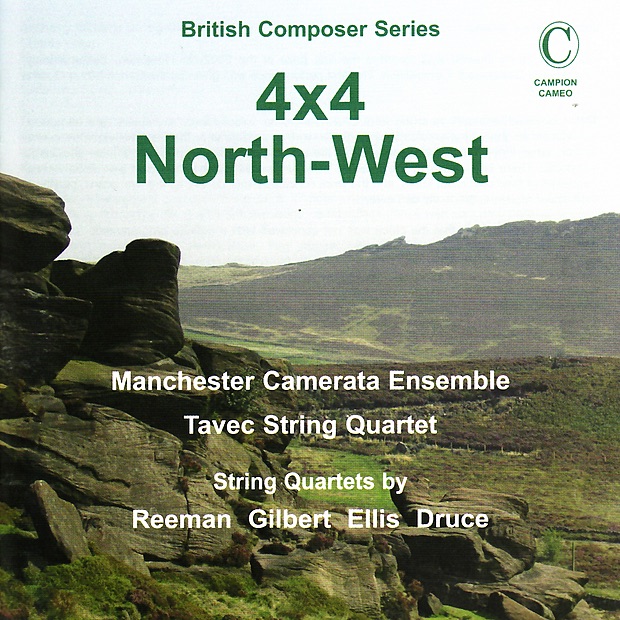 May 8, 2007
 -
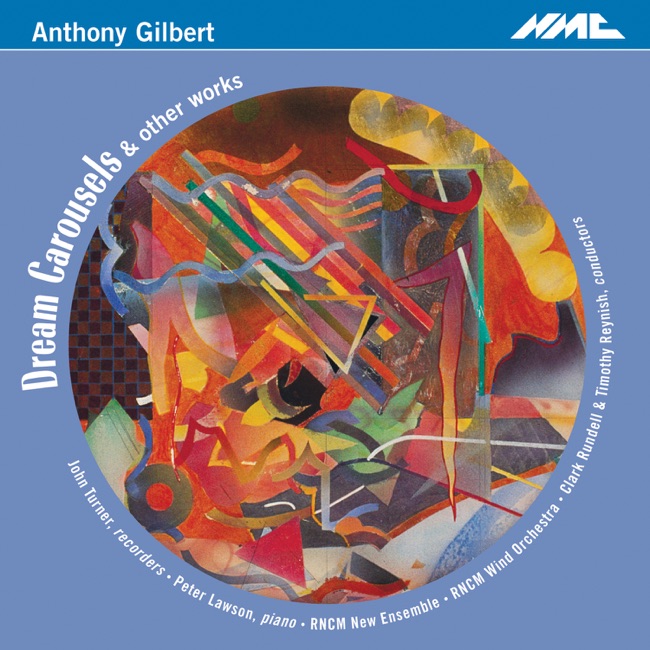 July 1, 2000
Vocal
-
 April 1, 2012
 -
 March 31, 2009
 -
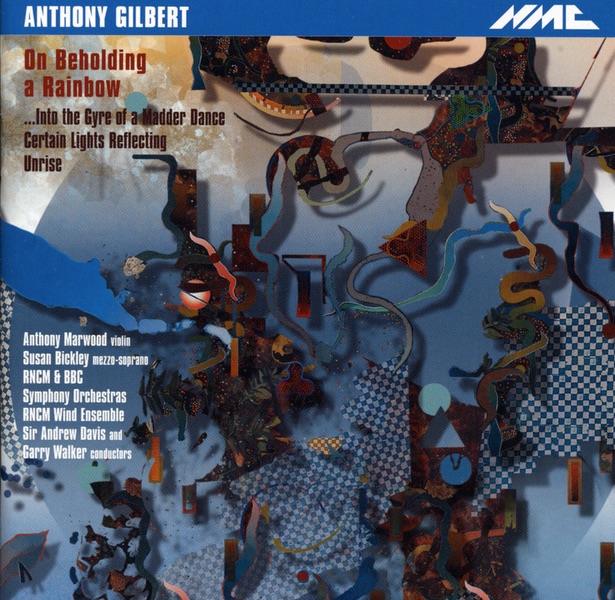 March 1, 2005
Orchestral
-
 July 8, 2008
Artist Info
Role:Composer PerformerCountry: United KingdomBirth:July 26, 1934 in London, EnglandPeriod:RomanticContemporaryGenre:ChamberConcertoOrchestralVocalAnthony Gilbert was a British composer who was born on February 15, 1934, in London. He was the son of a composer and conductor, and his mother was a pianist. Gilbert grew up in a musical family, and he began playing the piano at a young age. He attended the Royal Academy of Music in London, where he studied composition with Lennox Berkeley and piano with Harold Craxton. Gilbert's early works were influenced by the music of his teachers, but he soon developed his own style. He was interested in exploring new sounds and techniques, and he was particularly drawn to the use of electronic music. In the 1960s, he began working with the BBC Radiophonic Workshop, where he created a number of experimental pieces using electronic instruments. Gilbert's music is characterized by its complexity and its use of unconventional techniques. He often used extended techniques on traditional instruments, such as playing the strings of a piano with a bow or using a mute on a trumpet to create a unique sound. He also experimented with microtonal tuning, which involves dividing the octave into more than 12 equal parts. One of Gilbert's most famous works is his Symphony No. 2, which was commissioned by the BBC in 1969. The piece is notable for its use of electronic music, which was still a relatively new technique at the time. The symphony is divided into three movements, each of which explores a different aspect of electronic music. The first movement features a tape collage of sounds, while the second movement uses a synthesizer to create a series of complex rhythms. The third movement combines electronic and acoustic instruments to create a rich, layered sound. Another notable work by Gilbert is his String Quartet No. 3, which was composed in 1975. The piece is notable for its use of microtonal tuning, which gives the music a unique, otherworldly quality. The quartet is divided into four movements, each of which explores a different aspect of microtonal tuning. The first movement features a series of glissandos, while the second movement uses a technique called "just intonation" to create a series of complex harmonies. The third movement is a slow, meditative piece, while the fourth movement is a lively dance. Gilbert continued to compose music throughout his life, and he was recognized as one of the leading composers of his generation. He received numerous awards and honors, including the Ivor Novello Award for Classical Music in 1994. He also served as a professor of composition at the Royal Northern College of Music in Manchester. Gilbert passed away on March 6, 1997, at the age of 63. His legacy lives on through his music, which continues to be performed and studied by musicians around the world. His innovative use of electronic music and microtonal tuning has had a lasting impact on the world of classical music, and his work continues to inspire new generations of composers and performers.More....
Recent Artist Music






Copyright Ⓒ 2013 Davinci Finger. All rights reseved
Service Terms & Policy