


Bong-Ho Kim
Artist Info
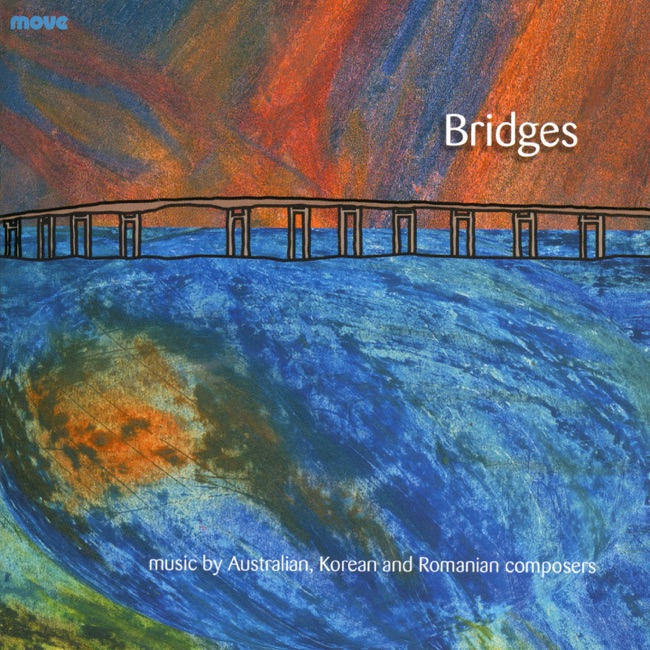
Role:ComposerBong-Ho Kim was a South Korean classical music composer who was born on December 12, 1931, in Seoul, South Korea. He was the youngest of four children and grew up in a family that valued education and music. His father was a successful businessman who loved classical music and often played it in the house. This exposure to music at a young age sparked Bong-Ho Kim's interest in the art form, and he began taking piano lessons at the age of six. Bong-Ho Kim's talent for music was evident from a young age, and he quickly became a skilled pianist. He continued to study music throughout his childhood and adolescence, and in 1950, he enrolled in the Seoul National University's College of Music. There, he studied composition under the renowned composer Yun Isang, who would become a significant influence on his work. After graduating from college, Bong-Ho Kim began his career as a composer, and his early works were heavily influenced by traditional Korean music. He was particularly interested in the use of traditional Korean instruments, such as the gayageum and the daegeum, in classical music. His early compositions, such as "Korean Rhapsody" and "Three Korean Folk Songs," were well-received and helped establish him as a leading figure in the Korean classical music scene. In the 1960s, Bong-Ho Kim began to experiment with incorporating Western classical music into his compositions. He was particularly interested in the works of composers such as Bach, Beethoven, and Mozart, and he began to incorporate elements of their music into his own. This fusion of Western and Korean music became a hallmark of his work, and he continued to explore this style throughout his career. One of Bong-Ho Kim's most significant works is his opera "The Song of Chunhyang," which he composed in 1971. The opera is based on a traditional Korean folktale and tells the story of a young woman named Chunhyang who falls in love with a nobleman. The opera was a critical and commercial success and helped establish Bong-Ho Kim as one of the leading composers in Korea. Throughout his career, Bong-Ho Kim composed a wide range of works, including orchestral pieces, chamber music, and vocal music. He was particularly interested in vocal music and composed several choral works, including "The Lord's Prayer" and "Ave Maria." His music was known for its lyrical melodies, rich harmonies, and intricate rhythms. Bong-Ho Kim's contributions to Korean classical music were significant, and he was recognized for his achievements with numerous awards and honors. In 1985, he was awarded the Order of Cultural Merit by the South Korean government, and in 1991, he was awarded the Ho-Am Prize in the Arts, one of the most prestigious awards in Korea. Bong-Ho Kim continued to compose music until his death on December 29, 1996, at the age of 65. His legacy as a composer and his contributions to Korean classical music continue to be celebrated today, and his music remains an important part of the Korean classical music canon.More....
Copyright Ⓒ 2013 Davinci Finger. All rights reseved
Service Terms & Policy