


Andrew Toovey
Released Album
Keyboard
-
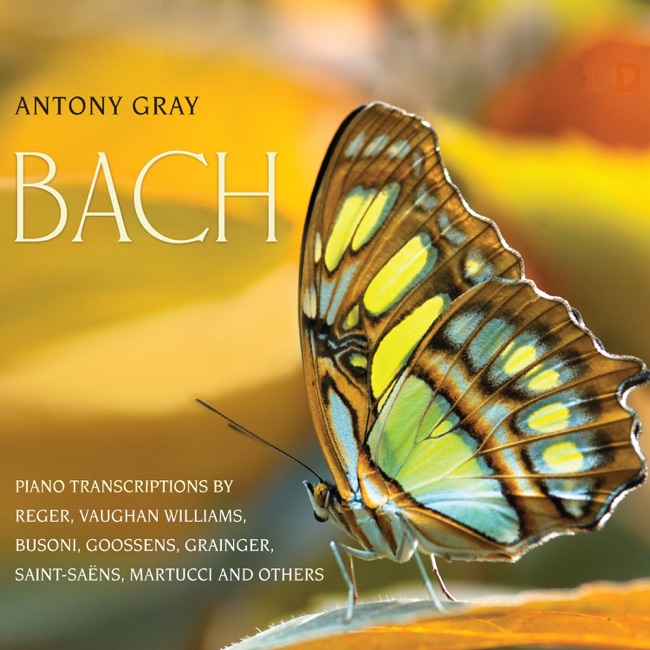 March 5, 2013
 -
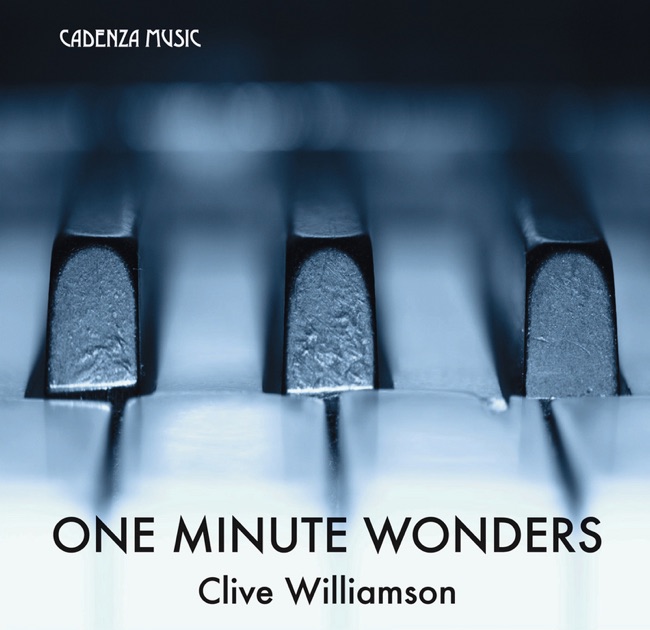 March 26, 2007
 -
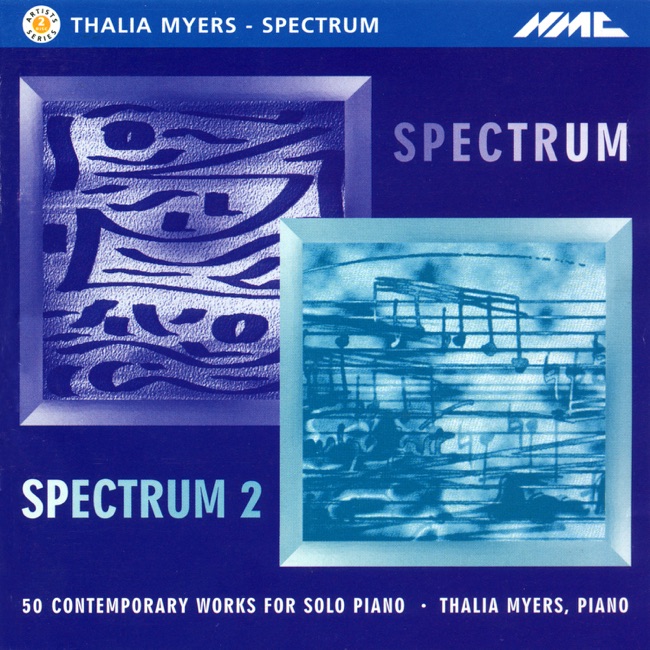 March 1, 1999
Artist Info
Role:ComposerCountry: United KingdomBirth:1962 in London, EnglandPeriod:ContemporaryGenre:ChamberKeyboardOperaOrchestralVocalAndrew Toovey is a British composer who was born on May 2, 1962, in London, England. He grew up in a family of musicians, with his father being a professional violinist and his mother a pianist. Toovey started playing the piano at a young age and later learned to play the violin and the guitar. He attended the Royal College of Music in London, where he studied composition with John Lambert and later with Oliver Knussen. Toovey's early works were influenced by the music of Stravinsky, Bartok, and Messiaen. He was also interested in the music of the American minimalist composers, such as Steve Reich and Philip Glass. Toovey's music is characterized by its rhythmic complexity, use of extended techniques, and unconventional instrumentation. One of Toovey's early works is his String Quartet No. 1, which was composed in 1985. The piece is in three movements and features complex rhythms and harmonies. The quartet was well-received and helped establish Toovey as a promising young composer. Toovey's music continued to evolve throughout the 1990s. He became interested in the music of the French spectral composers, such as Tristan Murail and Gerard Grisey. Toovey's music began to incorporate more microtonal and spectral elements, as well as electronic sounds. One of Toovey's most significant works from this period is his Piano Concerto, which was composed in 1996. The concerto features a solo piano accompanied by an ensemble of winds, brass, and percussion. The piece is characterized by its use of microtonal harmonies and complex rhythms. The concerto was premiered by the London Sinfonietta and was well-received by critics. Toovey's music continued to evolve in the 2000s. He became interested in the music of the Italian composer Giacinto Scelsi, whose music is characterized by its use of microtonality and extended techniques. Toovey's music began to incorporate more improvisation and indeterminacy, as well as unconventional instrumentation. One of Toovey's most significant works from this period is his Chamber Symphony, which was composed in 2003. The piece is scored for a small ensemble of winds, brass, percussion, and strings. The symphony is characterized by its use of microtonal harmonies and complex rhythms. The piece was premiered by the London Sinfonietta and was well-received by critics. Toovey's music has been performed by many leading ensembles and orchestras, including the London Sinfonietta, the BBC Symphony Orchestra, and the Ensemble Modern. He has also been commissioned by many festivals and organizations, including the Huddersfield Contemporary Music Festival and the Aldeburgh Festival. Toovey has received many awards and honors for his music. In 1994, he was awarded the Royal Philharmonic Society Composition Prize. In 2002, he was awarded the Paul Hamlyn Foundation Award for Composers. In 2012, he was awarded the British Composer Award for his work, "Burrowed Time." Toovey is also a respected teacher and has taught composition at many leading institutions, including the Royal College of Music and the University of Sussex. He has also been a mentor to many young composers and has helped to shape the careers of many of today's leading composers. In conclusion, Andrew Toovey is a British composer who has made significant contributions to the world of contemporary classical music. His music is characterized by its rhythmic complexity, use of extended techniques, and unconventional instrumentation.More....
Recent Artist Music
Copyright Ⓒ 2013 Davinci Finger. All rights reseved
Service Terms & Policy