


Nikolaus Faber
Released Album
Chamber
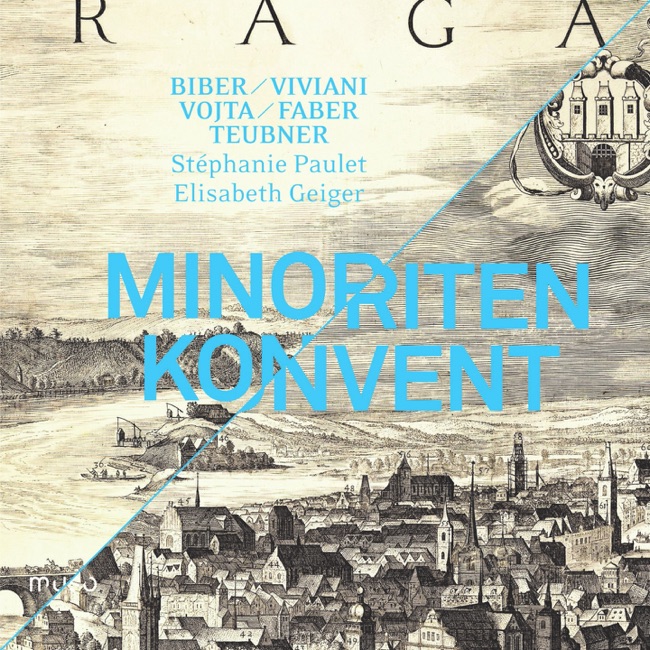
Artist Info
Role:ComposerNikolaus Faber was a German composer of classical music who lived from 1580 to 1620. He was born in the city of Nuremberg, which was a center of musical activity during the Renaissance period. Faber's father was a musician, and he grew up in a household where music was an important part of daily life. As a child, Faber showed a natural talent for music, and he began studying the lute and other instruments at a young age. Faber's musical education continued throughout his teenage years, and he eventually became a student of the famous composer and music theorist Johann Fux. Under Fux's guidance, Faber developed a deep understanding of music theory and composition, and he began to write his own works. His early compositions were influenced by the music of the Renaissance period, but he also incorporated elements of the emerging Baroque style. Faber's first major work was a collection of madrigals, which he published in 1605. The madrigals were well-received, and they established Faber as a composer to watch. Over the next few years, Faber continued to write music in a variety of genres, including motets, choral works, and instrumental pieces. His music was characterized by its intricate counterpoint and its use of chromatic harmonies. In 1610, Faber published his most famous work, a collection of sacred music called "Sacrae Cantiones." The collection included 20 motets, which were written for various vocal combinations. The motets were highly praised for their beauty and complexity, and they became a staple of the choral repertoire. Faber's use of chromatic harmonies and his skillful handling of multiple vocal lines were particularly noteworthy. In addition to his sacred music, Faber also wrote a number of instrumental works. His "Lute Book" was a collection of pieces for the lute, which was a popular instrument during the Renaissance period. The pieces in the book were written in a variety of styles, including dances, fantasias, and preludes. Faber's skillful use of counterpoint and his ability to create complex textures with a single instrument were highly praised. Faber's career was cut short by his untimely death in 1620. He was only 40 years old at the time, but he had already established himself as one of the most important composers of his generation. His music continued to be performed and admired long after his death, and it had a lasting influence on the development of Baroque music. In conclusion, Nikolaus Faber was a talented composer who made significant contributions to the development of classical music during the Renaissance and Baroque periods. His music was characterized by its intricate counterpoint, its use of chromatic harmonies, and its skillful handling of multiple vocal lines. Although his career was cut short by his untimely death, his music continued to be admired and performed for centuries after his passing.More....
Recent Artist Music
1
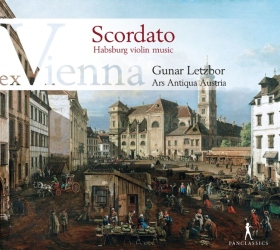
Sonata for violin & continuo no. 2 (Vienna Minorite Convent, Manuscript XIV 726)
Sonata (No. 2) (Skordatur h, e, h, e)
7:5
2
5:49
Copyright Ⓒ 2013 Davinci Finger. All rights reseved
Service Terms & Policy