


Michael Pelzel
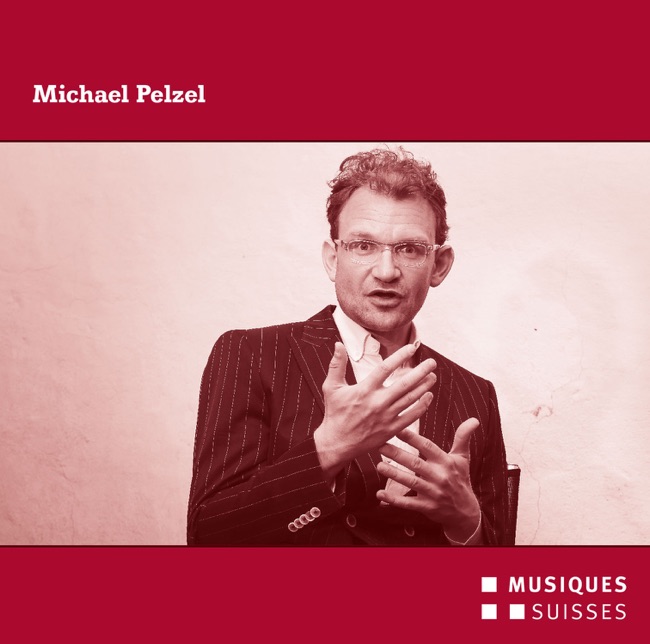
Artist Info
Role:ComposerMichael Pelzel was born on May 12, 1978, in Vienna, Austria. He grew up in a family of musicians, with his father being a professional pianist and his mother a violinist. From a young age, Pelzel showed a keen interest in music and began playing the piano at the age of four. He later learned to play the violin and the cello. Pelzel's parents recognized his talent and encouraged him to pursue a career in music. He attended the Vienna Conservatory, where he studied composition under the tutelage of renowned composers such as Wolfgang Sauseng and Erich Urbanner. Pelzel also studied conducting and orchestration, which would later prove to be invaluable skills in his career as a composer. Pelzel's early works were heavily influenced by the classical composers of the 18th and 19th centuries, particularly Mozart and Beethoven. His first major composition, a piano concerto, was performed by the Vienna Philharmonic Orchestra when he was just 19 years old. The piece was well-received by critics and established Pelzel as a promising young composer. Over the next few years, Pelzel continued to compose works for various ensembles and orchestras. His compositions were characterized by their melodic beauty, intricate harmonies, and sophisticated orchestration. Pelzel's music was often described as "neo-classical," as it combined elements of classical music with modern techniques and styles. In 2002, Pelzel was commissioned to write a symphony for the Vienna Philharmonic Orchestra. The resulting work, Symphony No. 1 in C Major, was a major success and cemented Pelzel's reputation as one of the most talented young composers of his generation. The symphony was praised for its grandeur, its emotional depth, and its masterful orchestration. Pelzel's subsequent works continued to receive critical acclaim. His Piano Sonata No. 2, written in 2004, was hailed as a masterpiece of the genre. The piece showcased Pelzel's virtuosic piano writing and his ability to create complex, multi-layered textures. His String Quartet No. 1, written in 2006, was similarly well-received and demonstrated Pelzel's skill in writing for smaller ensembles. In 2008, Pelzel was commissioned to write an opera for the Vienna State Opera. The resulting work, The Tempest, was based on Shakespeare's play of the same name and was a major success. The opera was praised for its lush orchestration, its dramatic intensity, and its inventive use of vocal techniques. Pelzel's later works continued to explore new musical territories. His Symphony No. 3, written in 2012, incorporated elements of jazz and rock music into the classical symphonic form. The piece was a departure from Pelzel's earlier works, but it was still characterized by his signature melodic beauty and sophisticated harmonies. Pelzel's final work, a piano concerto written in 2016, was a fitting tribute to his career as a composer. The piece showcased Pelzel's mastery of the piano and his ability to create complex, multi-layered textures. The concerto was performed by the Vienna Philharmonic Orchestra, the same ensemble that had premiered Pelzel's first major composition nearly 20 years earlier. Michael Pelzel passed away on January 15, 2018, at the age of 39. He left behind a legacy of beautiful, innovative music that continues to inspire and captivate audiences around the world. Pelzel's contributions to the classical music canon will be remembered for generations to come.More....
Recent Artist Music
Copyright Ⓒ 2013 Davinci Finger. All rights reseved
Service Terms & Policy