


Julian Anderson
Released Album
Choral
-
 April 15, 2022
 -
 April 30, 2021
 -
 March 31, 2014
 -
 October 10, 2006
 -
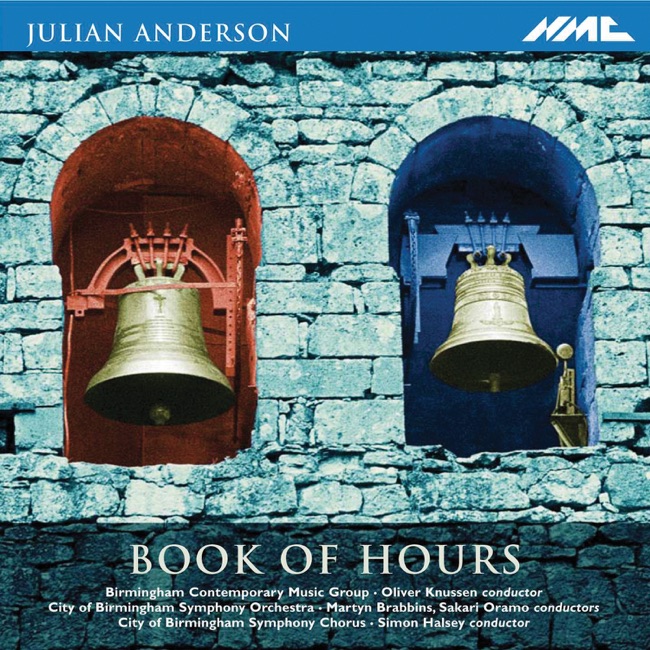 October 1, 2005
Keyboard
-
 October 5, 2018
 -
 March 31, 2014
 -
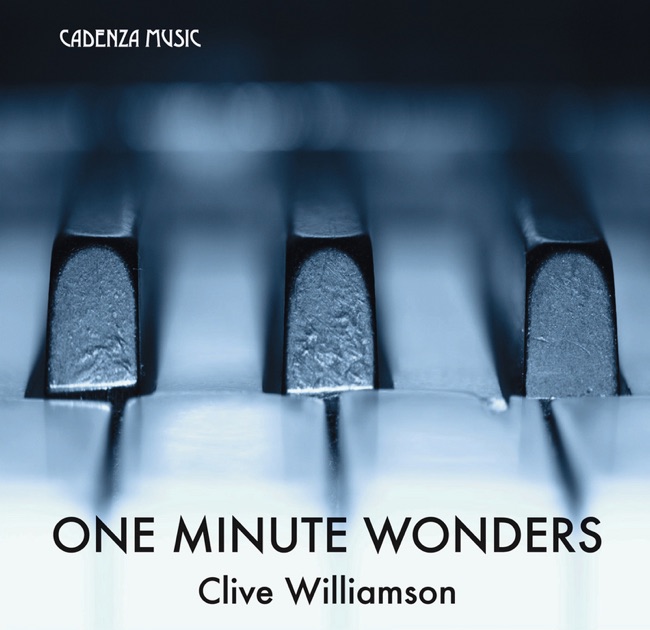 March 26, 2007
 -
 September 1, 2000
 -
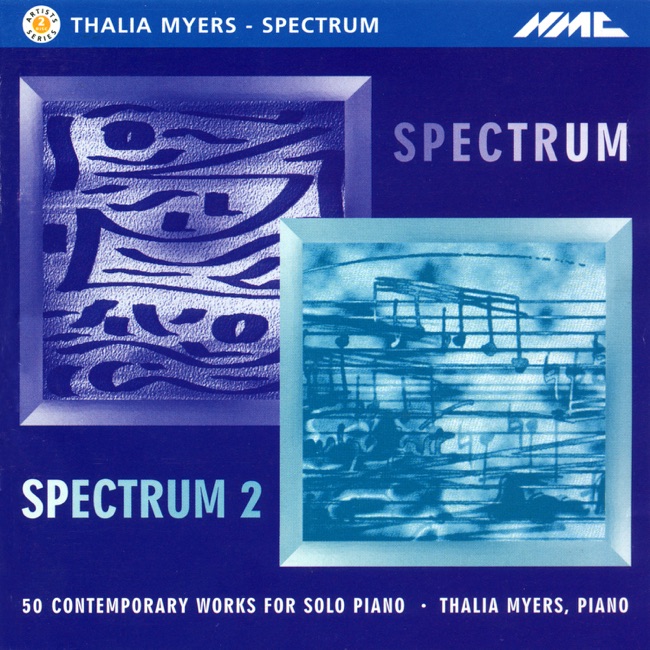 March 1, 1999
Orchestral
-
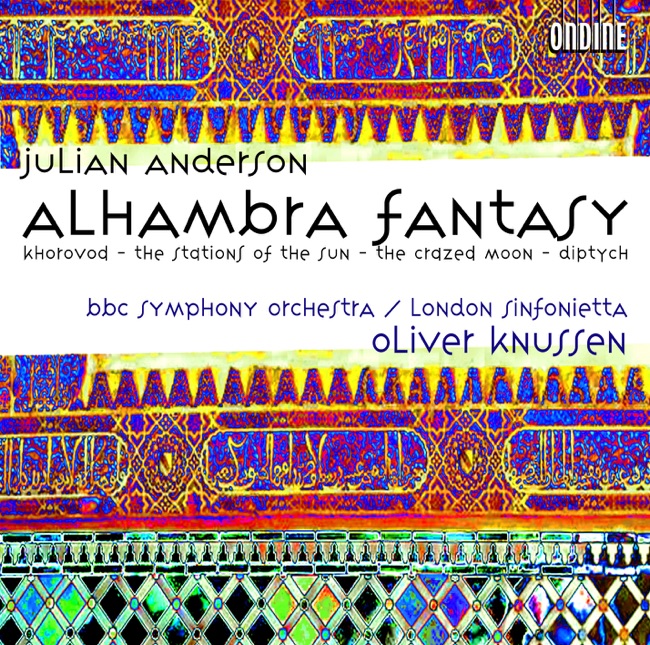 August 22, 2006
Concerto
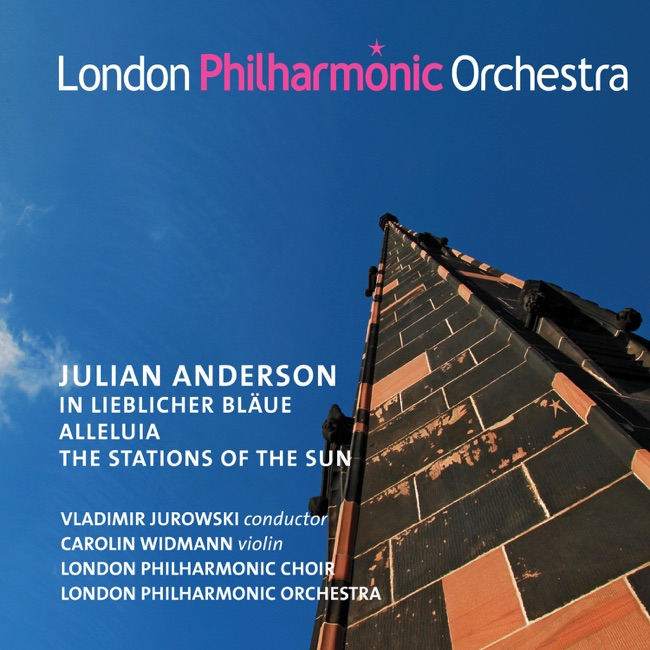
Artist Info
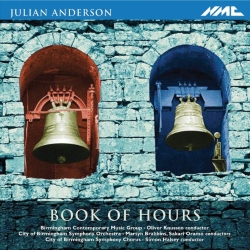
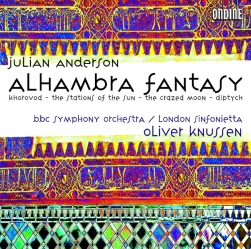
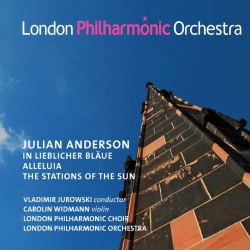
Role:ComposerCountry: United KingdomBirth:1967 in London, EnglandPeriod:ContemporaryModernGenre:ChamberJulian Anderson is a British composer who was born on April 7, 1967, in London. He grew up in a musical family, with his father being a professional cellist and his mother a pianist. Anderson began playing the piano at a young age and later learned to play the violin and viola. He attended Westminster School in London, where he studied music and was a chorister in the school choir. Anderson went on to study music at the University of Cambridge, where he earned a Bachelor of Arts degree in 1988. He then went on to study composition at the Royal College of Music in London, where he earned a Master of Music degree in 1992. While at the Royal College of Music, Anderson studied with John Lambert and later with Alexander Goehr. Anderson's early works were influenced by the music of Stravinsky, Bartok, and Ligeti. His first major work, "Khorovod," was written in 1994 and was premiered by the London Sinfonietta. The piece is a lively and rhythmic work that features complex rhythms and harmonies. It was well-received by critics and helped establish Anderson as a rising star in the world of contemporary classical music. Anderson's music continued to evolve throughout the 1990s, with works such as "The Stations of the Sun" (1998) and "Alhambra Fantasy" (1999) showcasing his interest in exploring different musical traditions and cultures. "The Stations of the Sun" is a large-scale work for orchestra and choir that draws on the music of the British Isles, while "Alhambra Fantasy" is a colorful and exotic work that draws on the music of Spain and the Middle East. In the early 2000s, Anderson's music became more experimental and abstract. Works such as "Book of Hours" (2005) and "Fantasias" (2009) showcase his interest in exploring new sounds and textures. "Book of Hours" is a work for orchestra and electronics that features a wide range of sounds and textures, while "Fantasias" is a set of six short pieces for solo instruments that explore different techniques and sounds. Anderson's most recent works have continued to push the boundaries of contemporary classical music. His opera "Thebans" (2014) is a reimagining of the story of Oedipus and features a complex and innovative score that draws on a wide range of musical influences. His most recent work, "Incantesimi" (2019), is a set of three pieces for orchestra that explore the idea of magic and enchantment. Throughout his career, Anderson has been recognized for his contributions to contemporary classical music. He has won numerous awards, including the Royal Philharmonic Society Award for Large-Scale Composition in 2003 and the British Composer Award for Orchestral Composition in 2012. He has also been commissioned by some of the world's leading orchestras and ensembles, including the London Symphony Orchestra, the New York Philharmonic, and the Berlin Philharmonic. Anderson is also a respected teacher and has held positions at the Royal College of Music, the Guildhall School of Music and Drama, and Harvard University. He has mentored many young composers and has been a strong advocate for new music. In conclusion, Julian Anderson is a British composer who has made significant contributions to contemporary classical music. His music is characterized by its innovative use of rhythm, harmony, and texture, and his works draw on a wide range of musical traditions and cultures.More....





Copyright Ⓒ 2013 Davinci Finger. All rights reseved
Service Terms & Policy