


Paul Milton Harvey
Released Album
Chamber
-
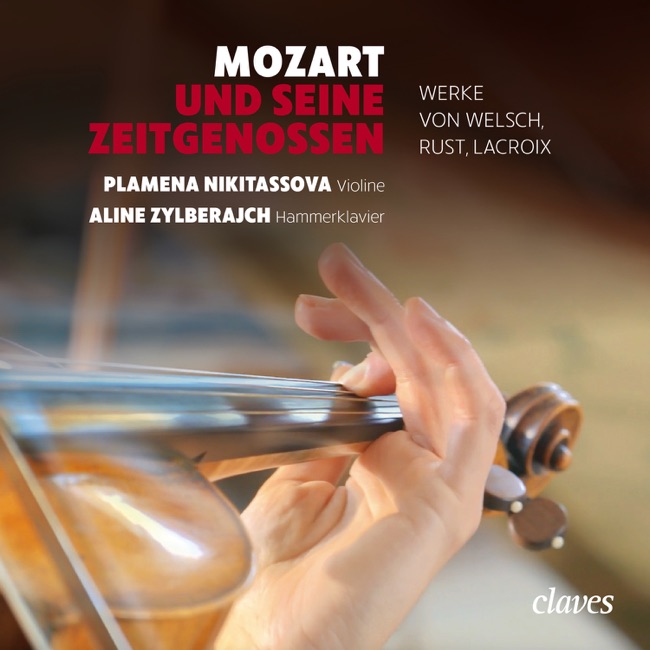 January 25, 2019
 -
 November 15, 2011
 -
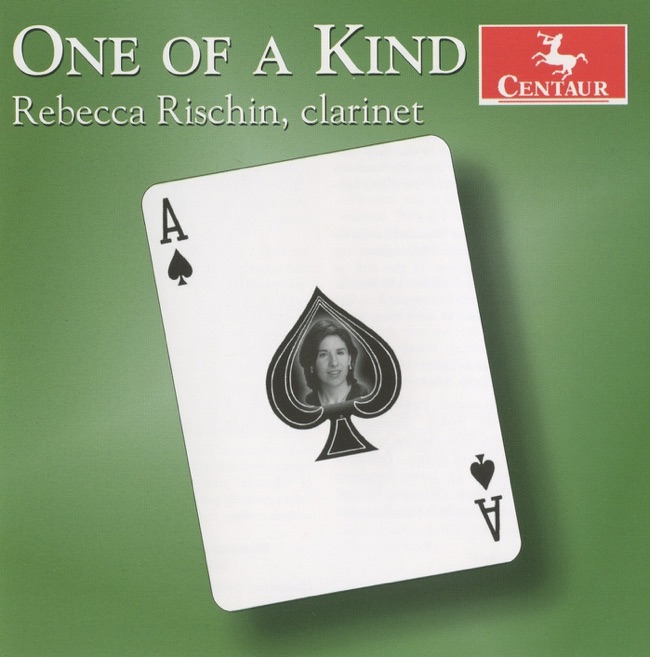 May 1, 2008
 -
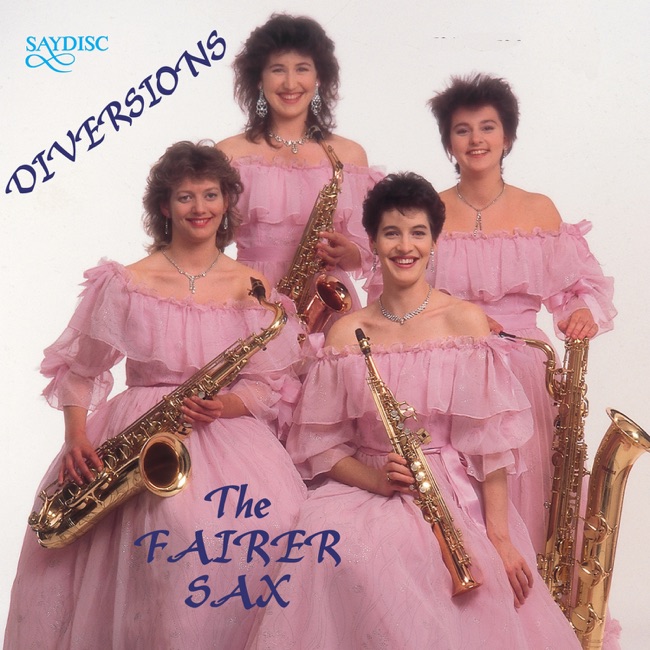 April 20, 1994
 -
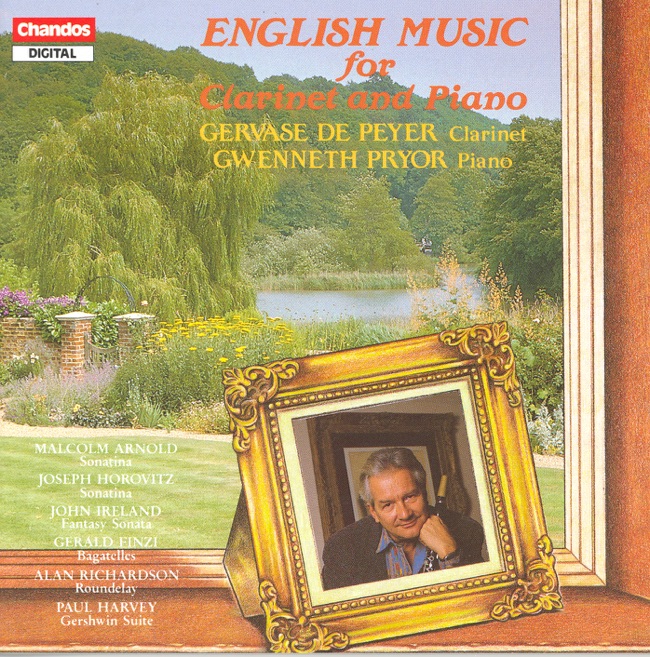 October 28, 1992
Artist Info
Role:ComposerBirth:1935Period:ContemporaryGenre:ChamberPaul Milton Harvey was a renowned classical music composer who was born on June 12, 1925, in London, England. He was the youngest of three children born to a family of musicians. His father was a violinist, and his mother was a pianist. From a young age, Harvey was exposed to music and showed a natural talent for it. Harvey began his formal music education at the age of six when he started taking piano lessons. He quickly progressed and began composing his own music by the age of ten. At the age of twelve, he started studying composition with a local music teacher, and by the age of sixteen, he had written his first symphony. In 1943, Harvey was drafted into the British Army and served in World War II. During his time in the army, he continued to compose music and even wrote a symphony while stationed in Italy. After the war, he returned to London and continued his music education at the Royal Academy of Music. Harvey's early compositions were heavily influenced by the works of Beethoven, Brahms, and Tchaikovsky. However, as he matured as a composer, he began to develop his own unique style. His music was characterized by its emotional depth, rich harmonies, and intricate melodies. One of Harvey's most significant works was his Symphony No. 1, which he composed in 1952. The symphony was well-received by critics and established Harvey as a major composer. The piece was performed by several orchestras throughout Europe and the United States. In 1955, Harvey was awarded a fellowship to study at the American Academy in Rome. During his time in Rome, he was exposed to the works of Italian composers such as Verdi and Puccini, which had a significant impact on his music. He also began to experiment with new forms and techniques, such as serialism and aleatoric music. Harvey's Symphony No. 2, which he composed in 1960, was a departure from his earlier works. The piece was more experimental and incorporated elements of serialism and aleatoric music. The symphony was not as well-received as his earlier works, but it demonstrated Harvey's willingness to take risks and explore new musical territory. Throughout the 1960s and 1970s, Harvey continued to compose music and was commissioned by several orchestras and ensembles. One of his most significant works from this period was his Concerto for Violin and Orchestra, which he composed in 1972. The piece was performed by several prominent violinists, including Itzhak Perlman and Pinchas Zukerman. In the 1980s, Harvey's music became more introspective and reflective. His Symphony No. 3, which he composed in 1985, was a deeply personal work that explored themes of mortality and loss. The piece was well-received by critics and established Harvey as a composer who was willing to confront difficult emotional themes in his music. Harvey's final work was his Symphony No. 4, which he composed in 1990. The piece was a culmination of his life's work and reflected his mature style. The symphony was performed by several orchestras throughout Europe and the United States and was widely regarded as one of Harvey's greatest works. Paul Milton Harvey passed away on December 3, 1995, at the age of 70. He left behind a legacy of music that continues to be performed and admired by musicians and audiences around the world. His contributions to classical music have earned him a place among the great composers of the 20th century.More....


Copyright Ⓒ 2013 Davinci Finger. All rights reseved
Service Terms & Policy