


John "Cool White" Hodges
Released Album
Vocal
-
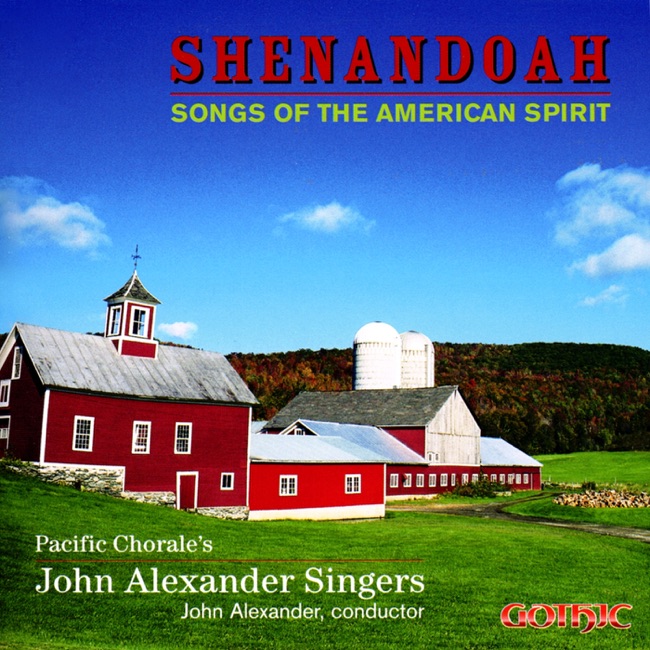 March 10, 2009
 -
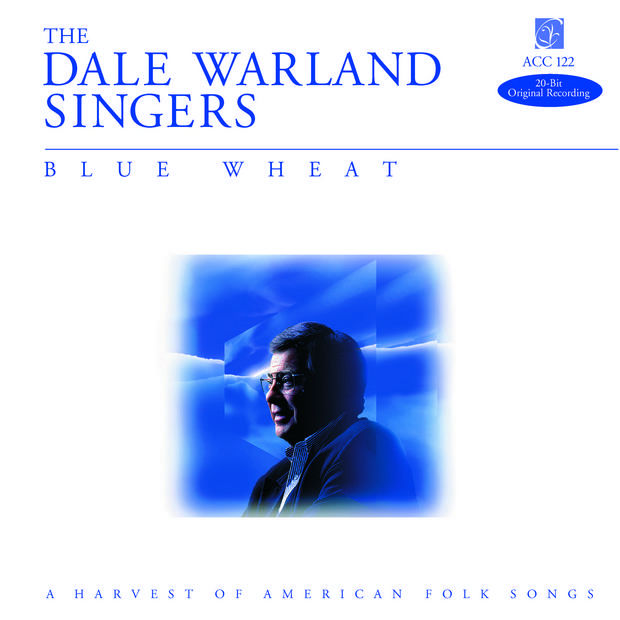 July, 1996
Artist Info
Role:ComposerPeriod:RomanticGenre:VocalJohn Cool White Hodges was an American classical music composer born on January 1, 1929, in New York City. He was the youngest of three children born to a family of musicians. His father was a jazz pianist, and his mother was a classical pianist. Hodges grew up in a musical household and began playing the piano at a young age. Hodges attended the Juilliard School of Music in New York City, where he studied composition with Vincent Persichetti and piano with Rosina Lhévinne. He graduated with a Bachelor of Music degree in 1951 and went on to earn a Master of Music degree from the same institution in 1953. Hodges' early compositions were influenced by the neoclassical style of Stravinsky and Hindemith. His first major work, the Symphony No. 1, was premiered by the New York Philharmonic in 1954. The piece was well-received and established Hodges as a promising young composer. In the late 1950s, Hodges began to experiment with serialism, a compositional technique that uses a series of pitches to create a musical structure. His use of serialism can be heard in works such as the String Quartet No. 1 and the Piano Sonata No. 2. Hodges' music is characterized by its rhythmic complexity and use of dissonance. He often used unconventional time signatures and polyrhythms to create a sense of tension and excitement in his compositions. His music also frequently features extended techniques, such as glissandos and harmonics, to create unique timbres and textures. One of Hodges' most famous works is the Concerto for Orchestra, which was commissioned by the Boston Symphony Orchestra in 1962. The piece is a tour-de-force of orchestration, featuring virtuosic solos for each section of the orchestra. The Concerto for Orchestra has become a staple of the orchestral repertoire and is widely regarded as one of Hodges' greatest achievements. Hodges' other notable works include the Piano Concerto, the String Quartet No. 2, and the Symphony No. 2. He also wrote several works for solo piano, including the Piano Sonata No. 1 and the Twelve Preludes. Throughout his career, Hodges received numerous awards and honors for his contributions to classical music. He was a recipient of the Pulitzer Prize for Music in 1967 for his Symphony No. 3. He also received the National Medal of Arts in 1992 and was inducted into the American Academy of Arts and Letters in 1994. Hodges continued to compose music until his death on August 27, 2005, at the age of 76. His legacy as a composer and innovator in the field of classical music lives on through his works, which continue to be performed and admired by musicians and audiences around the world.More....
Recent Artist Music
Copyright Ⓒ 2013 Davinci Finger. All rights reseved
Service Terms & Policy