


Christian Ritter
Released Album
Keyboard
-
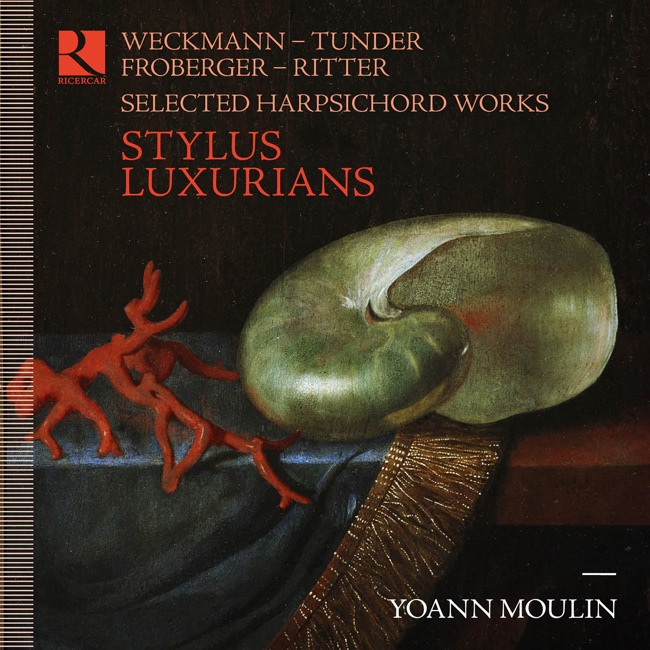 October 8, 2021
 -
 January 1, 2008
 -
-
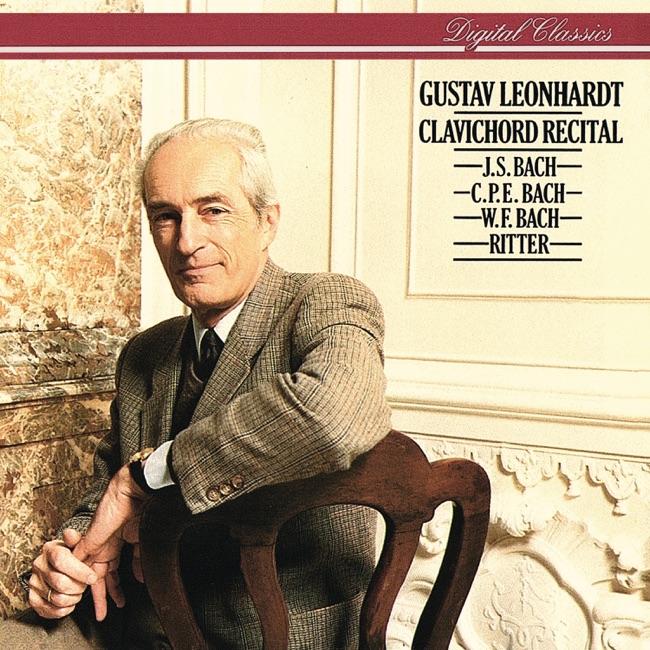 January 1, 1990
Vocal
-
 October 19, 2018
 -
 January 1, 2004
Artist Info
Role:ComposerCountry: GermanyBirth:1645Death:after 1717Period:BaroqueGenre:KeyboardChristian Ritter was a German composer and musician who lived during the Baroque period. He was born in 1645 in the town of Erfurt, which was then part of the Holy Roman Empire. Ritter's father was a musician, and he began teaching his son to play the violin at a young age. Ritter showed great talent and quickly became proficient on the instrument. As a teenager, Ritter began studying music theory and composition with Johann Pachelbel, who was one of the most important composers of the time. Pachelbel recognized Ritter's talent and took him on as a student, teaching him the intricacies of counterpoint and harmony. Ritter also studied with other prominent musicians of the time, including Johann Heinrich Schmelzer and Johann Jakob Froberger. In 1670, Ritter was appointed as the court musician for the Duke of Saxe-Weimar. This was a prestigious position, and it allowed Ritter to compose music for the court and perform for the Duke and his guests. Ritter's music was well-received, and he quickly gained a reputation as a talented composer and performer. Ritter's music was heavily influenced by the Baroque style, which was characterized by complex harmonies, ornate melodies, and intricate counterpoint. His compositions often featured multiple voices and intricate rhythms, and he was known for his use of chromaticism and dissonance. One of Ritter's most famous works is his Sonata No. 1 in D Major for violin and continuo. This piece is a prime example of Ritter's style, with its complex harmonies and intricate counterpoint. The sonata is divided into four movements, each with its own distinct character and mood. The first movement is lively and energetic, while the second is more contemplative and introspective. The third movement is a lively dance, and the final movement is a virtuosic display of technical skill. Another notable work by Ritter is his Suite in A Minor for harpsichord. This piece is a collection of dances, including a prelude, allemande, courante, sarabande, and gigue. Each dance has its own unique character and mood, and the suite as a whole is a testament to Ritter's skill as a composer. Ritter's music was highly regarded during his lifetime, and he was considered one of the leading composers of his time. However, his music fell out of favor in the centuries that followed, and it was not until the 20th century that his works began to be rediscovered and performed again. Today, Ritter's music is recognized as an important contribution to the Baroque repertoire, and his works are performed and recorded by musicians around the world. His legacy as a composer and musician continues to inspire new generations of musicians, and his music remains a testament to the beauty and complexity of the Baroque style.More....
Recent Artist Music
6
Germana in discessum Caroli XI regis Sueciae, for keyboard
Allemande in descessum Caroli xi Regis Sveciae
4:56
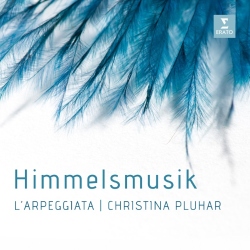
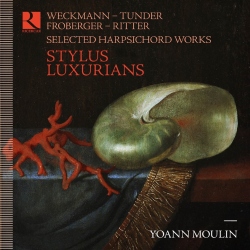
9
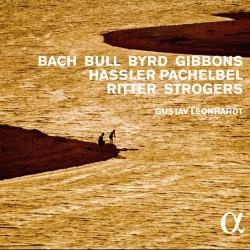
5:16
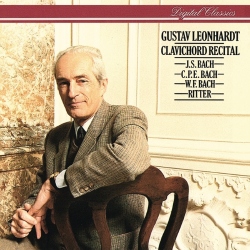
11
14:9
Copyright Ⓒ 2013 Davinci Finger. All rights reseved
Service Terms & Policy